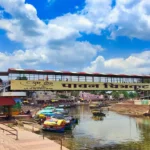

What is Varanasi famous for? The short answer: everything that makes India spiritually and culturally extraordinary exists in concentrated form here. Varanasi — also called Kashi or Banaras — sits on the western bank of the Ganga in Uttar Pradesh and is one of the world’s oldest continuously inhabited cities, with a living history stretching back more than 3,000 years. It is famous for its 84 ghats, the nightly Ganga Aarti at Dashashwamedh, the sacred Kashi Vishwanath Jyotirlinga, GI-tagged Banarasi silk sarees, the Banaras Gharana of classical music, extraordinary street food, the nearby Sarnath where the Buddha gave his first sermon, and a cremation tradition at Manikarnika Ghat that has burned without interruption for millennia. This guide covers the 15 things that make Varanasi genuinely unlike anywhere else on earth.
Location: Varanasi district, Uttar Pradesh | On the Ganga: Yes — 84 ghats | Famous for: Kashi Vishwanath Temple, Ganga Aarti, Banarasi silk, classical music, Sarnath | Best time to visit: October–March | Nearest airport: Lal Bahadur Shastri International Airport (VNS), 25 km | Status: One of the world’s oldest continuously inhabited cities
1. The 84 Ghats — Where the City Meets the Ganga
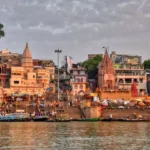
No feature defines Varanasi more completely than its ghats. There are 84 of them — a number that holds cosmological significance in Hindu tradition — stretching for roughly 6.5 kilometres along the crescent-shaped western bank of the Ganga. Each ghat has its own personality, mythology, and daily rhythm.
Dashashwamedh Ghat is the oldest and most visited. According to the Puranas, Lord Brahma performed the Dashashwamedha yajna (ten-horse sacrifice) here to welcome Lord Shiva back to Kashi. Every evening without exception, seven priests perform the Ganga Aarti here — a choreographed ritual involving large brass lamps, conch shells, flowers, and Sanskrit chants that draws thousands of pilgrims and visitors. If you watch it from a boat on the river, the visual stays with you.
Manikarnika Ghat is the Mahashamshan — the great cremation ground. Legend holds that an earring (manikarnika) belonging to Goddess Sati fell here. The funeral pyres have burned continuously for centuries; Hindus believe dying in Kashi grants moksha (liberation from the cycle of rebirth) because Lord Shiva himself whispers the Taraka mantra into the ear of the dying. Around 200 cremations take place daily.
Assi Ghat, at the southern end, marks the confluence of the Assi stream with the Ganga and is particularly sacred to pilgrims doing the Panchakroshi Yatra. Tulsi Ghat is where the poet-saint Tulsidas is believed to have composed parts of the Ramcharitmanas. Harishchandra Ghat is the second cremation ghat, smaller and older, named for the mythological king celebrated for absolute truthfulness.
The ghats are best explored on foot at dawn, when the city is bathed in soft light and pilgrims wade into the river for their morning bath. See our complete guide to Varanasi’s ghats for ghat-by-ghat details, best photography spots, and boat ride tips.
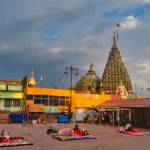
2. Kashi Vishwanath Temple — The Jyotirlinga
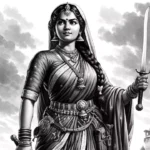
The Kashi Vishwanath Temple is the beating heart of Varanasi’s spiritual identity. Dedicated to Lord Shiva as Vishwanath (Lord of the Universe), it houses one of the 12 Jyotirlingas — the most sacred shrines in Shaivism. The present temple was built in 1780 by Maharani Ahilyabai Holkar of Indore after the original was repeatedly destroyed; the gold-covered shikhara was later donated by Maharaja Ranjit Singh of Punjab.
The Kashi Vishwanath Corridor, inaugurated in 2021, transformed the area around the temple — opening up a direct visual axis from the temple to the Ganga, creating a large processional corridor, and adding visitor facilities. The complex now receives upwards of one lakh (100,000) devotees on major festivals and auspicious days.
Adjacent to it stands the Gyanvapi Mosque, built in 1669 by Aurangzeb on the site of an earlier temple. The architectural contrast and the historical tension embedded in this single city block is a vivid reminder of how many layers of history Varanasi holds simultaneously.
3. Ganga Aarti — The Nightly Spectacle at Dashashwamedh
The Ganga Aarti at Dashashwamedh Ghat happens every single evening at sunset, 365 days a year, regardless of weather or season. Seven Brahmin priests, identically dressed in silk dhoti and kurta, stand on elevated platforms in perfect synchrony. They rotate large multi-tiered brass lamps (each holding dozens of small flames), ring bells, blow conch shells, and offer incense and flowers to the river in a ritual that unfolds over roughly 45 minutes.
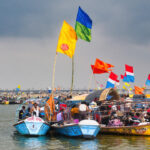
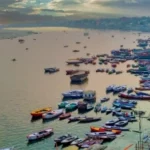
The sound — the mix of Sanskrit shlokas, bells, and conch — carries across the water. The reflections of the lamps on the Ganga at night are genuinely arresting. Boats fill the river; the ghat steps are packed. Arrive 30 minutes early to get a spot. Alternatively, hire a boat for Rs 150–300 per person for an unobstructed view from the river.
A smaller but equally moving aarti takes place at Assi Ghat every morning at sunrise — quieter, attended mostly by locals and serious pilgrims, and arguably more intimate than the evening spectacle.
4. Banarasi Silk Sarees — A GI-Tagged Tradition
Banarasi silk sarees are among India’s most celebrated textiles and Varanasi has been their production centre for at least 500 years. The weaving tradition draws from Mughal-era patterns — intricate brocade work (zari) using gold and silver threads, floral jaal (lattice) motifs, and heavy, lustrous silk ground fabric that drapes unlike anything else.
In 2009, Banarasi sarees received a Geographical Indication (GI) tag from the Government of India, legally protecting the name and certifying that only sarees woven in Varanasi and surrounding districts (Mirzapur, Chandauli, Bhadohi, Jaunpur, Azamgarh) can be called “Banarasi.” The GI tag was a critical step in protecting weavers from cheap power-loom imitations sold under the same name.
The weaving clusters are concentrated in the Lallapura, Madanpura, and Peeli Kothi neighbourhoods. A pure silk Banarasi saree takes 15 days to 6 months to complete depending on complexity. Prices range from Rs 5,000 for simpler pieces to Rs 2 lakh or more for heavily brocaded bridal sarees. When shopping, ask to see the GI tag and the handloom mark to verify authenticity.
5. The Banaras Gharana — Classical Music’s Sacred Seat
Varanasi is one of the most important centres of Hindustani classical music in India. The Banaras Gharana is a distinct school of tabla playing, known for its open, resonant strokes (the “khula baaj”), strong bass tones, and compositions rooted in the aesthetic of the Poorab (eastern) tradition. Ustad Anokhelal Mishra, Pandit Samta Prasad (Gudai Maharaj), and Kishan Maharaj are among the masters this tradition has produced.
Beyond tabla, Varanasi has been central to the development of thumri — a semi-classical vocal genre that blends lyrical devotion with folk expressiveness. Ustad Bismillah Khan, who played shehnai (a reed instrument) at the Red Fort on India’s first Independence Day in 1947, spent his entire life in Varanasi and refused to leave despite offers from abroad. Pandit Ravi Shankar learned sitar here under Ustad Allauddin Khan and performed at the ghats in his early career.
Banaras Hindu University’s Faculty of Performing Arts and the Sangeet Vidyalaya continue training the next generation of classical musicians. Informal music sessions (baithaks) still happen in the lanes near the ghats — if you are in the city on the right evening, you may stumble into one.
6. Street Food — Kachori, Tamatar Chaat, and Banarasi Paan
Varanasi’s street food culture is one of the densest and most specific in India. This is not generic North Indian chaat — the dishes here are distinct to Banaras, made with local ingredients, and sold at stalls that have operated for generations.
Kachori-sabzi is the definitive Banarasi breakfast. Thick, puffed kachoris (deep-fried bread stuffed with spiced dal) served with a dry aloo-tamatar sabzi and green chutney. The version at Kashi Chaat Bhandar near Godaulia has been drawing queues since 1948.
Tamatar chaat is unique to Varanasi — tomatoes cooked down with mustard oil, ginger, and spices into a thick, slightly sour base, topped with jalebi and cream. It sounds unusual. It tastes extraordinary.
Malaiyo (also called makhan malai or daulat ki chaat in Delhi) is a cold-weather specialty available October through February. It is a foam-like sweet made by whipping milk overnight in the open air, capturing the morning dew. The result is a cloud of flavoured cream that dissolves the moment it touches your tongue. It is sold by weight in small earthen bowls from carts near the ghats.
Blue Lassi at the Blue Lassi shop near Vishwanath Gali has been an institution since 1925. The shop serves thick curd lassi in clay cups with toppings like fresh fruit, saffron, and dry fruits. The “blue” in the name is a reference to the colour of the shop’s walls, not an ingredient.
Banarasi paan is the traditional closing ritual after any meal. The meetha (sweet) paan uses a betel leaf stuffed with gulkand (rose preserve), coconut, fennel seeds, and various sweet condiments. The version without tobacco is perfectly acceptable as a digestive and souvenir of the city. Explore Varanasi’s full food trail in our street food guide.
7. Sarnath — Where the Buddha Gave His First Sermon
Ten kilometres north of Varanasi lies Sarnath, one of the four most sacred sites in Buddhism. It was here, in the Deer Park (Mrigadava), that the Buddha gave his first discourse — the Dhammacakkappavattana Sutta — to his five former companions shortly after attaining enlightenment at Bodh Gaya. This first teaching is called the “First Turning of the Wheel of Dharma.”
The Dhamek Stupa, built in 500 CE (and on the site of earlier Ashokan structures from the 3rd century BCE), marks the exact spot where this sermon was delivered. It stands 43 metres high and is covered in intricate geometric and floral stone carvings. The Ashoka Pillar at Sarnath, erected by Emperor Ashoka around 250 BCE, bears the famous lion capital — four Asiatic lions standing back to back — that became the national emblem of India.
The Sarnath Archaeological Museum holds what may be the finest collection of Gupta-period Buddhist sculpture in the world, including the original Ashoka lion capital. Sarnath is easily combined with a Varanasi trip — an afternoon visit by auto-rickshaw (around Rs 300 return) covers the key sites comfortably.
8. Banaras Hindu University — Asia’s Largest Residential University
Banaras Hindu University (BHU) was founded in 1916 by Pandit Madan Mohan Malaviya with the support of Annie Besant and the Maharaja of Benares. It spreads across 1,300 acres in the southern part of the city — making it one of the largest residential universities in Asia — and currently enrols around 30,000 students across 140 departments.
The university’s New Vishwanath Temple (also called the BHU Vishwanath Temple or Birla Mandir on campus) is a striking white marble structure open to people of all faiths — something the original Kashi Vishwanath temple is not. The Bharat Kala Bhavan museum within the campus holds a remarkable collection of miniature paintings, sculptures, textiles, and manuscripts from across India.
BHU’s Faculty of Performing Arts has been a training ground for classical musicians, dancers, and theatre practitioners for over a century. The institute remains one of the reasons Varanasi’s intellectual and artistic traditions have survived the 20th century in such robust form.
9. The Cremation Tradition — Manikarnika and Harishchandra Ghats
Varanasi’s cremation ghats are confronting for first-time visitors, but they are central to understanding why the city exists as it does. Hindus believe that dying in Kashi — within the boundaries of the sacred city — guarantees moksha. Lord Shiva, as the presiding deity of Kashi, is believed to personally whisper the Taraka mantra (the liberation mantra) into the ear of every person who dies here, releasing them from the cycle of rebirth regardless of their karma.
The consequence is that Varanasi has served for centuries as a city people come to die in. Families bring their sick and elderly here; hospices (called moksha bhavans) have operated near the ghats for generations. The Doms — the caste community who tend the pyres — have maintained the eternal flame at Manikarnika for as long as anyone can trace. Approximately 200 bodies are cremated at Manikarnika daily; the fire itself has never been extinguished.
Photography at the cremation ghats is not permitted. Visitors who wish to observe are expected to do so quietly and respectfully from a distance. Boat rides on the Ganga offer a respectful vantage point without intruding on the rituals of grieving families.
10. Thandai, Bhang, and Shaiva Festival Culture
Varanasi has a long association with bhang — cannabis preparations consumed as part of Shaiva religious practice. The use of bhang is considered an offering to Lord Shiva (who is described in texts as a consumer of bhang) and is particularly prominent during Mahashivaratri and Holi. Government-licensed bhang shops operate openly in the city; the most famous is near Dashashwamedh Ghat.
Thandai is a milk-based drink made with almonds, fennel seeds, rose petals, pepper, cardamom, and poppy seeds. During Holi and Shivaratri, a bhang-infused version is widely consumed. The plain thandai (without bhang) is a perfectly good cold drink available year-round at several shops near the ghats.
Mahashivaratri in Varanasi is in a league of its own — the entire city stays awake through the night, the temples glow, sadhus and nagas descend on the ghats, and the Ganga Aarti takes on extraordinary scale. If you can time a visit to coincide with it, do so.
11. Yoga, Meditation, and Spiritual Learning
Varanasi has been a centre of Hindu philosophical learning since at least the 8th century BCE. The Upanishads and many major texts of Vedanta were debated and compiled in Kashi. Adi Shankaracharya, who undertook the intellectual project of reviving Advaita Vedanta in the 8th century CE, came to Kashi, debated scholars at the ghats, and composed the Vivekachudamani here.
Today, the city has dozens of yoga and meditation centres ranging from structured ashrams to informal teachers who operate near the ghats. Assi Ghat has become a particular hub for yoga practitioners, with several centres offering morning classes overlooking the river. The International Yoga Festival at Rishikesh draws bigger crowds, but for yoga in a genuinely spiritual urban context, Varanasi offers something different.
Sanskrit learning remains alive in Varanasi’s traditional pathshalas (schools). The Sampurnanand Sanskrit University, established in 1958 on the foundation of an older Sanskrit college, continues offering graduate and postgraduate courses in Vedic studies, grammar, astrology, and philosophy.
12. Literary and Artistic Heritage — Kabir, Tulsidas, Premchand
The list of major literary and artistic figures associated with Varanasi reads like a roll call of Indian cultural history. Kabir Das, the 15th-century poet-mystic whose dohas (couplets) challenged caste orthodoxy and religious division, was born and lived in Varanasi. He is buried at Maghar, near Gorakhpur, but his weaving community (julahas) and his spiritual lineage remain centred in the city — the Kabir Math at Kabirchaura preserves his room and his loom.
Goswami Tulsidas, who composed the Ramcharitmanas (the most widely read version of the Ramayana story in North India) in Awadhi Hindi during the 16th century, lived and worked in Varanasi. The Tulsi Manas Temple near Durga Kund was built in 1964 on the site traditionally identified as his residence.
Munshi Premchand — considered the greatest Hindi-Urdu prose writer of the 20th century — taught at a school in Varanasi and set several of his most important stories in the city and surrounding villages. His house in Lamhi village on the outskirts of Varanasi is now a memorial. Jaishankar Prasad, whose Kamayani is one of the landmarks of modern Hindi poetry, was also a Varanasi native.
13. Dev Deepawali — The Festival of Lights on the Ganga
Diwali is celebrated across India, but Varanasi hosts Dev Deepawali — the festival of the gods — exactly 15 days after Diwali, on Kartik Purnima (the full moon of the Kartik month, typically November). According to tradition, on this night all the gods descend to Kashi to bathe in the Ganga.
On this evening, every single one of the 84 ghats is lit with earthen lamps — lakhs of diyas placed in rows along every step down to the water’s edge. The combined light reflected on the Ganga is genuinely one of the most spectacular sights in India. The city also fills with hot air balloons, fire performers, and live music at the ghats. Dev Deepawali now draws tourists from across the world and advance bookings for accommodation are essential.
14. Ramnagar Fort and the Ramlila Tradition
Across the Ganga from Varanasi, on the eastern bank, stands Ramnagar Fort — the ancestral seat of the Maharajas of Banaras, built in the 18th century in Mughal-Rajput style. The fort museum holds an extraordinary collection of vintage cars, royal palanquins, ivory work, silver furniture, astronomical instruments, and medieval weapons. The Veda Vyasa temple within the fort complex is itself a pilgrimage destination.
The Ramnagar Ramlila, performed in the fields and lanes around the fort during the Navratri period each October, is one of the oldest and most elaborate Ramlila performances in India. Unlike the stage-bound Ramlila performed in Delhi, the Ramnagar version uses the entire town as its stage over 31 days — different scenes are enacted in different locations, and the audience follows on foot from episode to episode. It was inscribed on UNESCO’s Representative List of Intangible Cultural Heritage in 2008.
15. Varanasi’s Status as One of the World’s Oldest Living Cities
Mark Twain’s often-quoted line — “Banaras is older than history, older than tradition, older even than legend, and looks twice as old as all of them put together” — captures the city’s quality of accumulated time. Varanasi has been continuously inhabited for at least 3,000 years, making it one of the oldest living cities in the world alongside Jericho, Athens, and Byblos.
Unlike those cities, Varanasi has not merely survived — it continues to function as a living sacred geography. The temples, the ghats, the cremation fires, the music, the silk looms, and the Sanskrit scholarship are not museum pieces. They are active, daily practices that connect the city’s present to its deep past. That is what most surprises first-time visitors: Varanasi is not preserved, it is lived in.
For practical travel planning — when to visit, where to stay, safety tips, and how to get around — see our guides on when to visit Varanasi, safety for tourists, and whether Varanasi is worth visiting.
Why Varanasi Is Called the Spiritual Capital of India
Varanasi earns the “spiritual capital” title not through any official designation but through the density and continuity of religious practice within a single city. The Puranas list Varanasi as one of the seven sacred cities (Sapta Puri) of Hinduism — alongside Ayodhya, Mathura, Haridwar, Kanchi, Ujjain, and Dwarka. It is the only one of the seven that is also a Jyotirlinga site, a major Buddhist pilgrimage centre, and a historic centre of Jain pilgrimage simultaneously.
The concept of Kashi Kshetra — the sacred field of Kashi — defines a specific geographical area within which dying guarantees liberation. This belief has drawn pilgrims for millennia and continues to draw them today. Approximately 1 million pilgrims visit Varanasi every month, making it one of the most visited pilgrimage cities in the world.
What Varanasi offers that no other Indian city does is the experience of all of this happening simultaneously — at the same ghat, at the same moment, someone is bathing in the Ganga for spiritual merit, a body is being cremated, a vendor is selling kachori, a musician is practising ragas in a narrow lane, and a silk weaver is working a handloom three floors above a temple courtyard. The city does not separate the sacred from the everyday. Read more on why Varanasi is so special — and why it stays with visitors long after they leave.
If you are planning a trip that connects Varanasi with Prayagraj, Ayodhya, or other pilgrimage centres in Uttar Pradesh, visit our Varanasi destination hub for tour packages and itinerary options. You may also want to compare notes from our deeper dive on why Varanasi is also called Banaras — the naming history itself tells a story about the city’s layered identity.
🛕 Explore Varanasi Your Way
Frequently Asked Questions About What Varanasi Is Famous For
See What Varanasi Is Famous For — In Person
The Ganga Aarti at Dashashwamedh, the silk lanes of Taarapith, the cremation ghats at Manikarnika — these are things that need to be witnessed, not just read about. Our Varanasi package puts you in the right place at the right time, with a guide who knows which ghat to be at and when. We also cover Prayagraj and Ayodhya if you want to extend your journey through sacred UP.
Starting from ₹10,300 per person | Includes darshan, meals, and local transport