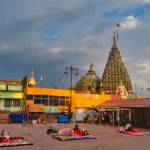


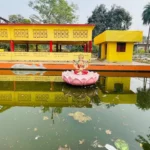
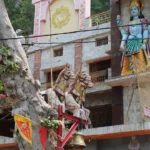

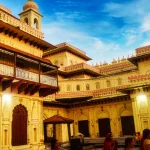




Can we visit Ayodhya now? Absolutely yes. Ayodhya is fully open, actively welcoming pilgrims and tourists from across India and the world. Since the consecration of the Ram Janmabhoomi Mandir on 22 January 2024, Ayodhya has undergone a scale of transformation that few Indian cities have seen in a single decade. New roads, a new airport, upgraded railway facilities, hundreds of new hotels, and a completely reorganised darshan system — the city of 2026 looks and functions very differently from what many travellers remember. This guide answers every practical question you have before booking your trip, from darshan timings and crowd levels to how many days to plan and what to budget.
What Changed After the Ram Mandir Inauguration
The consecration ceremony of January 2024 was not just a religious milestone — it was the trigger for an accelerated city-wide overhaul that had been in planning for several years. Here is what visibly changed and why it matters to your visit.
The Ram Mandir Itself
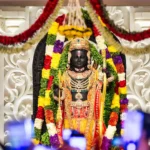
The main temple structure that opened in January 2024 is the first phase of a larger complex. The sanctum sanctorum (garbhagriha) houses the idol of Ram Lalla — the child form of Lord Ram — consecrated during the prana pratishtha ceremony. The full temple complex, including outer mandaps, the Ram Darbar hall, and the parikrama path, continues to be completed in phases. As of 2026, the inner temple and the main darshan circuit are fully accessible to pilgrims. The premises have a security perimeter, bag-check counters, and a dedicated locker facility so you can leave your belongings safely before entering.
Ayodhya Airport
Maharishi Valmiki International Airport opened in December 2023, just weeks before the temple inauguration. It now handles scheduled flights from Delhi, Mumbai, Ahmedabad, Bengaluru, and several other cities, operated by IndiGo, Air India, and SpiceJet. The airport is located approximately 10 km from the city centre. For pilgrims coming from distant cities, this is now the fastest and most convenient entry point into Ayodhya. Pre-booking flights 3–4 weeks in advance is advisable during peak festival seasons.
Ayodhya Railway Station Upgrade
Ayodhya Dham railway station received a major facelift, with a new facade modelled on the temple’s architectural style, expanded platforms, better passenger facilities, and improved crowd management. The distance from the station to the Ram Janmabhoomi complex is about 1.5–2 km — manageable on foot or by e-rickshaw. Several new trains were added on routes from Delhi, Lucknow, Varanasi, Prayagraj, and Mumbai specifically to serve pilgrim demand. You can check the complete guide on how to reach Ayodhya for route-specific options.
Roads, Ram Path, and City Infrastructure
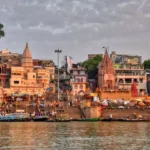
The Ram Path — the main ceremonial boulevard connecting the railway station to the temple — was widened to a 4-lane road and paved in a warm sandstone finish. Street lighting, tourist signage in Hindi and English, pedestrian walkways, and cleanliness drives transformed the approach corridor into something genuinely pleasant to walk. Saryu riverfront at Ram Ki Paidi has also been developed with ghats, promenades, and a permanent sound-and-light show. The Ram Ki Paidi ghat area is one of the most atmospheric spots in the city, especially at dusk during aarti.
Ram Janmabhoomi Mandir — Darshan in 2026
This is the temple most visitors come specifically to see. Here is the practical information you need before you go.
Opening Hours
The temple opens for darshan from approximately 7:00 AM and closes around 11:00 PM, with a midday break between noon and 2:00 PM. Mangal aarti begins at 4:30–5:00 AM for those who wish to attend the earliest ritual. Shringar (adornment) darshan, bhog aarti, and evening sandhya aarti are held at set times through the day. Timings can vary slightly during festivals — always verify on the official temple site or with your accommodation before planning your day.
The Darshan Process
All visitors pass through a multi-stage security check at the outer perimeter. Mobiles, bags, and electronic items are not permitted inside the temple premises — free locker facilities are available near the entrance. You will go through a metal detector queue and then proceed through the inner darshan corridor. The path leads directly to the garbhagriha where Ram Lalla’s idol is visible from behind a railing. Darshan typically takes 30 seconds to 5 minutes depending on the crowd. The entire visit, including the walk through the premises and exit via the parikrama path, takes 45–90 minutes on a normal day.
VIP Darshan vs Regular Queue
There is no paid VIP darshan at Ram Janmabhoomi — it is free for all visitors. However, politically connected visitors or those with institutional ties can sometimes access a shorter queue through designated entry points. The general queue during off-peak months moves reasonably fast. During Ram Navami, Diwali, and the inauguration anniversary in January, wait times in the regular queue can extend to 3–5 hours. Arriving before 7:30 AM on weekdays outside festival windows is the most reliable way to keep queue time under an hour. The distance from Ayodhya Junction to Ram Mandir is well-marked with signage, and the walk along Ram Path is straightforward.
Dress Code and Temple Rules
Modest clothing is expected — shoulders and knees should be covered. Dhotis and sarees are fully appropriate. Western visitors wearing shorts or sleeveless tops may be asked to cover up; cotton stoles available from vendors near the entrance serve this purpose. Leather items (belts, bags, footwear) are kept in the locker area. Photography inside the sanctum is not permitted. Non-Hindus can visit the outer premises and the parikrama area, but access to the inner garbhagriha is at the discretion of the temple management.
Major Temples to Visit in Ayodhya
Ayodhya has over 7,000 temples according to the city’s own records. For a first visit, focus on the five temples that represent the city’s spiritual core. You can link your visit to the complete Ayodhya destination guide for full context on what to see.
Hanuman Garhi
Perched on a 76-step staircase at the heart of the city, Hanuman Garhi is the first temple most pilgrims visit before proceeding to Ram Janmabhoomi. The tradition holds that Hanumanji guards the approach to Ram’s birthplace and darshan here is done first. The temple houses a powerful idol of Bal Hanuman (child Hanuman) cradled in Mother Anjani’s lap. The view of the city from the top of the steps is excellent. Hanuman Garhi is usually open from early morning to 10 PM with a break in the afternoon.
Kanak Bhawan
Kanak Bhawan (Palace of Gold) is a beautifully adorned temple dedicated to Sita and Ram, gifted by Kaikeyi to Sita after the wedding, according to tradition. The current structure dates to 1891 and is managed by a trust. The idols here are elaborate and richly dressed — darshan has a meditative, palace-like atmosphere that contrasts with the busier queue system at Ram Janmabhoomi. It is a 5-minute walk from the main temple complex. Entry is free and open to all.
Dashrath Bhawan
The palace complex of King Dashrath (Ram’s father) is now a temple site where you can see shrines dedicated to the entire Ram family. The Dashrath Bhawan is a quieter, less-crowded spot that connects you to the broader Ramayana narrative beyond Ram Lalla’s birth. Nearby is the Sita Rasoi — a kitchen complex traditionally associated with Sita — which is part of the same pilgrimage cluster.
Nageshwar Nath Temple
One of Ayodhya’s oldest Shiva temples, Nageshwar Nath is said to have been established by Kush, son of Ram. It sits near the Saryu riverfront and is particularly significant during Shivaratri. The temple represents the Shaiva tradition within a city predominantly associated with Vaishnavism, and visiting it adds a broader perspective to any Ayodhya pilgrimage. It is included in the Panch Kosi Parikrama route (the 15 km circumambulation of the sacred city).
Ram Janmabhoomi Temple
The Ram Janmabhoomi temple sits at the exact spot traditionally identified as the birthplace of Lord Ram. The current structure is built in Nagara style using pink Bansi Paharpur sandstone from Rajasthan. The outer complex includes galleries about the history of the site, a heritage museum (partially open as of 2026), and the parikrama path. The site carries immense historical weight beyond religious significance — it is a place that shaped decades of India’s social and legal history. Whatever your background, approaching it thoughtfully and respectfully makes for a meaningful visit.
Current Crowd Levels and Best Time to Visit
Crowd management is one of the most common concerns for Ayodhya visitors in 2026. Here is a realistic picture.
Daily Crowd Patterns
Weekdays are consistently less crowded than weekends, particularly Saturdays and Sundays. The busiest time of day is 9 AM to 12 PM when tour groups, buses, and pilgrims arriving from overnight trains all converge. If you arrive before 7:30 AM or after 6 PM, the queue at Ram Janmabhoomi is typically much shorter. Evening aarti (around 7:30–8 PM) draws large crowds at Ram Ki Paidi and near the temple, but the darshan queue itself is often thinner at this hour since many daytime visitors have already left.
Monthly Crowd Calendar
October to February is peak season. Weather is comfortable (15–25°C), and major festivals fall in this window. Crowds are high throughout, with extreme peaks during:
- Ram Navami (Chaitra Shukla Navami — typically March/April): the single most crowded day of the year. Millions of pilgrims gather. If you want to experience the festival, plan to arrive a day before and leave a day after to avoid the peak crush.
- Deepotsav (Diwali): Ayodhya is famous for its Deepotsav celebration, where the ghats are lit with lakhs of diyas. The UP government organises this as an official event. It is spectacular but requires early accommodation booking — rooms are taken 2–3 months in advance during this period.
- Parikrama Marg events and Sawan Mela: the monsoon month of Sawan (July–August) brings devotees specifically for Shiva-related observances and the Parikrama.
- January anniversary of consecration: the weeks around 22 January draw a large influx of pilgrims marking the anniversary.
March to May (outside Ram Navami): heat is building but crowds are moderate. If you can handle temperatures of 30–42°C, you will find shorter queues and easier accommodation availability.
June to September (monsoon): hot and humid with occasional heavy rain. This is the lowest crowd period and hotel rates drop significantly. The city is functional throughout — temples remain open — and the Saryu riverfront is lush and green.
Accommodation Options in Ayodhya
The accommodation landscape in Ayodhya has changed substantially since 2023. Here is what is available across different budgets.
Dharamshalas and Ashrams
Dozens of dharamshalas operated by religious trusts offer free or very low-cost stays (Rs 100–500 per night) to pilgrims. Many are near Ram Ki Paidi or in the old city lanes. Facilities are basic — shared bathrooms, bare rooms — but clean enough for a short stay. Some require a recommendation letter from a community organisation. Ashrams like Ramananda Ashram and Mahant-affiliated establishments offer spiritual stays with a more immersive atmosphere. Book these by calling directly or through community connections.
Budget Hotels (Rs 600–2,000 per night)
A large number of small hotels and guesthouses have opened in the streets around the railway station and near Hanuman Garhi. Private bathrooms, Wi-Fi, and basic meals are standard at this tier. Cleanliness varies — check recent reviews on MakeMyTrip or Booking.com before confirming.
Mid-Range and Business Hotels (Rs 2,000–6,000 per night)
Several well-known hotel brands and quality independent properties opened in 2023–2025 to serve the new pilgrim-tourist market. Air conditioning, attached bathrooms, room service, and temple-view rooms are available in this category. Properties along the Ram Path and near the airport area offer the best combination of access and comfort.
Premium Stays (Rs 6,000 and above)
Branded hotels from chains like Radisson, Lemon Tree, and similar have opened or are operating in Ayodhya. For large family groups or tour groups requiring consistent quality, pre-booking these 4–6 weeks in advance is advisable. Rates spike by 3–5x during Deepotsav, Ram Navami, and the January anniversary window.
How Ayodhya Has Transformed — Before and After 2024
Those who visited Ayodhya before 2020 will find the city almost unrecognisable in parts. The transformation is not just cosmetic — the functional capacity of the city to handle large visitor volumes has fundamentally changed.
Before the current development phase, Ayodhya’s roads were narrow, traffic was chaotic, and visitor infrastructure was minimal. Accommodation options were largely limited to small dharamshalas and basic lodges. The disputed Ram Janmabhoomi site was surrounded by heavy security, accessible only through long queues and multiple security layers, with a modest makeshift temple serving as the place of worship.
By 2026, the city has: a functioning commercial airport, a renovated railway station, a ceremonial boulevard (Ram Path), a developed riverfront, a digital visitor management system at the main temple, multi-lane approach roads, tourist police posts, official tourist information centres, dedicated parking zones, clean public toilets at major pilgrimage points, and a visible improvement in street-level sanitation. The scale of investment makes Ayodhya one of the most rapidly upgraded pilgrimage cities in India.
The trade-off is that parts of old Ayodhya’s organic, unplanned charm — the narrow lanes, old havelis, small neighbourhood temples tucked into unexpected corners — are being displaced by construction. Exploring the older parts of the city away from the main tourist corridor still reveals that original character, and it is worth doing on your second or third hour after completing temple darshans.
Safety, Crowd Management, and Practical Tips
Ayodhya has a strong police and security presence around the main temple complex. The city is considered safe for solo travellers, families, and women travelling independently. Here is what to keep in mind.
- Security checks take time: Factor in 20–45 minutes for the security queue at Ram Janmabhoomi on busy days. Do not carry prohibited items (metal objects, phones, food).
- Footwear storage: Paduka (footwear) counters are available near temple entrances. They charge a small fee (Rs 10–20). Never leave footwear unattended on the street.
- Touts and guides: Unauthorised guides operate near the station and main temple. If you want a guided tour, book through your hotel or a registered tour operator.
- Drinking water: Carry a personal water bottle. The summer months (April–June) are extremely hot. Dehydration in queues is a real risk.
- Mobile charging: Lockers at the temple complex have USB charging facilities at some points. Carry a power bank for all-day visits.
- Emergency contacts: Ayodhya Police Control Room: 112. Tourist police helpline: 1800-180-4737 (UP Tourism).
- Medical facilities: A first-aid post is present within the Ram Janmabhoomi complex. District hospital is on Faizabad Road.
Trip Planning: Days, Budget, and Itinerary
Most visitors ask: how many days is enough for Ayodhya? The answer depends on your purpose.
1 Day (Quick Pilgrimage)
If you are coming as part of a larger circuit (Varanasi–Ayodhya–Prayagraj, for instance), one full day is adequate to cover the five main temples and Ram Ki Paidi. Arrive early, complete darshan at Ram Janmabhoomi and Hanuman Garhi before noon, visit Kanak Bhawan and Dashrath Bhawan in the afternoon, and attend aarti at Ram Ki Paidi in the evening. Leave by 10 PM train or early next morning.
2 Days (Standard Pilgrimage + Exploration)
Two days allows for a more unhurried experience. Day 1: complete the main temple circuit with a morning start. Day 2: do the Panch Kosi Parikrama (or part of it), visit Nageshwar Nath and smaller temples in the old city, explore the Ram Mandir heritage museum (if fully open), and attend Deepotsav-style evening aarti at Saryu ghat. Two nights of comfortable accommodation brings the total estimated cost per person to Rs 3,000–8,000 (budget to mid-range) excluding travel to and from Ayodhya.
3 Days (Deep Dive)
Three days is the ideal duration for anyone interested in going beyond the main circuit — attending a morning aarti at Ram Janmabhoomi, doing the full Parikrama Marg, visiting Gulab Bari (the tomb of Nawab Shuja-ud-daula, which represents Ayodhya’s layered history), exploring the Saryu ghats at different times of day, and sampling local cuisine like malpua, peda, and shahi tukda that the city’s sweet shops are known for.
Tour Packages vs Independent Travel
Independent travel to Ayodhya is entirely practical — signage is good, e-rickshaws are plentiful, and the main attractions are within a 3–4 km radius of each other. A tour package makes sense if: you want a car at your disposal, you are travelling with elderly family members, you are combining Ayodhya with Varanasi and Prayagraj, or you simply prefer not to manage logistics on the ground. The Prayagraj–Ayodhya–Varanasi tour package is a popular three-city circuit that handles accommodation, transport, and guide services for the full Uttar Pradesh pilgrimage route.
Frequently Asked Questions
Is entry to Ram Janmabhoomi Mandir free?
Yes. Entry to the Ram Janmabhoomi Mandir is completely free for all visitors. There is no ticket or paid darshan system. The only charges you will incur are for locker/footwear storage (Rs 10–20) and optional prasad offerings from vendors outside the premises.
Can non-Hindus visit Ayodhya and the Ram Mandir?
Non-Hindus can visit Ayodhya freely and explore the city’s ghats, streetscapes, and outer temple areas. For the Ram Janmabhoomi inner sanctum, access is generally intended for Hindu pilgrims. The outer complex, the parikrama path, and the heritage galleries within the temple precinct are open to all visitors regardless of faith. The city itself — its architecture, history, and the Saryu riverfront — is accessible and interesting to anyone with an interest in India’s cultural landscape.
How far is Ayodhya from Prayagraj and Varanasi?
Ayodhya is approximately 160 km from Prayagraj (about 3–3.5 hours by road or 2.5–3 hours by train) and approximately 200 km from Varanasi (about 4–4.5 hours by road). Many pilgrims combine all three cities in a 5–7 day trip. Overnight trains run on both routes, making it easy to save on accommodation costs for one night while covering the distance.
What is the best time of year to visit Ayodhya to avoid very large crowds?
The best time for a manageable crowd experience is September–October (post-monsoon, pre-Diwali) or February (after the January inauguration anniversary rush, before Ram Navami). Weather is pleasant, the city is clean after the monsoon, and you get comfortable darshan without extreme queue times. Avoid the three major peaks: Ram Navami, Deepotsav week, and the week around 22 January.
Is Ayodhya safe for solo women travellers?
Yes. Ayodhya has a strong police presence and is considered one of the safer pilgrim cities in Uttar Pradesh. The main temple corridor and ghats are well-lit and patrolled. The usual precautions apply — avoid isolated areas late at night, keep your accommodation’s contact details handy, and use prepaid e-rickshaws rather than accepting rides from strangers. The tourist police helpline (1800-180-4737) is available for any assistance.
Ready to Visit Ayodhya? We’ll Handle the Details
If you have been wondering whether now is a good time to visit Ayodhya, the answer is yes — and the best way to do it is with a plan. Our 3-night Ayodhya package covers darshan at Ram Janmabhoomi, Hanuman Garhi, and Kanak Bhawan, with comfortable hotels and a local guide who manages queues and timing so you get the most out of every visit. Combine with Varanasi and Prayagraj for the complete UP pilgrimage.
Starting from ₹12,000 per person | Includes darshan, meals, and local transport