






Introduction to Ayodhya Uttar Pradesh
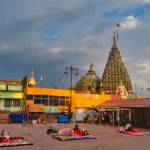
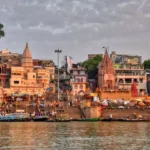
Ayodhya, Uttar Pradesh, is an ancient city located in the northern Indian state of Uttar Pradesh, on the banks of the Sarayu River. It is one of the seven most sacred pilgrimage sites (Sapta Puri) for Hindus. According to Hindu texts, Ayodhya is the birthplace of Lord Rama, the seventh avatar of Lord Vishnu.
The epic Ramayana is set in this holy city. Ayodhya holds great religious significance and is considered the cradle of Hindu civilisation. It has been attracting pilgrims for thousands of years.
Today, it continues to be an important centre of faith for Hindus with various temples built over the centuries in dedication to Rama and other deities.
Religious Significance of Ayodhya, Uttar Pradesh

History of Ayodhya, Uttar Pradesh
The early history of Ayodhya is intertwined with Hindu mythology. Archaeological evidence suggests it was inhabited since at least 1000 BCE. Several Hindu texts, including the Ramayana, mention Ayodhya as the capital of the Kosala kingdom during Rama’s reign. Excavations have revealed temple structures that predate the Babri Masjid, which was built on the site during Mughal rule in the 16th century.
In the late 1980s, the mosque became a flashpoint as some Hindu groups claimed it was built after demolishing an existing Rama temple.
In 2019, the Supreme Court of India delivered a landmark verdict on the long-standing Ayodhya dispute. It ordered the disputed land to be handed over for the construction of a Rama temple.
Here is a table with some key details about Ayodhya:
| Detail | Information |
|---|---|
| Location | Faizabad district, Uttar Pradesh |
| Geographical coordinates | 26°47′N 82°12′E |
| Average elevation | 93 meters above sea level |
| Area | 2,522 sq km |
| Population (2011 census) | 55,890 |
| Language | Awadhi, Hindi, Urdu, English |
| Best time to visit | October to March |
Major Temples and Religious Sites
Some of the most prominent temples and sacred sites in Ayodhya with religious significance are:
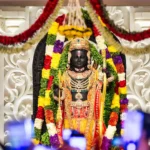
- Ram Janmabhoomi – Marks the birthplace of Rama and the site of the under-construction temple.
- Hanuman Garhi – Dedicated to Lord Hanuman, the mighty devotee of Rama.
- Kanak Bhawan – Said to be the spot where Rama’s wife Sita lived.
- Treta Ke Thakur – Ancient temple with idols of Rama, Sita and Lakshmana.
- Tulsi Smarak Bhawan – Showcases various episodes from the Ramayana epic.
- Nageshwarnath Temple – One of the oldest temples of Ayodhya, dedicated to Lord Shiva.
The major festivals celebrated in Ayodhya are Ram Navami (Rama’s birth), Diwali (return of Rama from exile), and Vijayadashami (victory of Rama over Ravana). These attract thousands of pilgrims every year.
Places to Visit in Ayodhya, Uttar Pradesh
The New Ayodhya
Key infrastructure milestones
Ayodhya offers plenty of historically and religiously significant attractions for visitors beyond just the temples.
Temples
- Ram Janmabhoomi – The focal point of Ayodhya where a grand temple is currently under construction.
- Hanuman Garhi – Visited by most pilgrims before offering prayers at the Janmabhoomi site.
- Kanak Bhawan – Known for its beautiful carvings and architecture.
Ghats
The ghats along River Saryu provide an opportunity to experience the spiritual ambience of Ayodhya. Some prominent ones are:
- Naya Ghat – Used for ceremonial baths and evening aartis.
- Guptar Ghat – Associated with the legendary king of Ayodhya, Vikukshi.
- Ram Ghat – Pilgrims take a holy dip here before visiting the Ram Janmabhoomi temple.
Gardens
- Ram Katha Park – Depicts scenes from Ramayana through tableaux and models.
- Lakshman Qila Garden – Offers scenic views of Ayodhya from an elevated mound.
Museums
- Tulsi Smarak Bhawan – Showcases paintings, artefacts and dioramas related to Lord Rama’s life.
Other Attractions
Some other popular spots are:
- Mani Parvat – Ancient mound significant for a historic Jain temple located on it.
- Swargdwar – As per mythology, Rama departed to heaven from this site.
- Dashrath Mahal – Palace is said to be the former abode of King Dashrath, Rama’s father.
To reflect the spiritual sanctity of the region, the main railway station formerly known as ‘Ayodhya Junction’ has been officially renamed to “Ayodhya Dham Junction”.
Travel Information
- The best time to visit Ayodhya is during winter, from October to March.
- Ayodhya has good road and rail connectivity to major Indian cities like Delhi, Lucknow, Varanasi etc.
- Accommodation options in Ayodhya range from budget lodges to high-end hotels.
💎 Witness the Transformation
See the perfect blend of ancient faith and modern infrastructure. Our Ayodhya Varanasi Prayagraj Tour covers all the heritage corridors.
- Accommodation in well-appointed hotels with comfortable amenities.
- Daily breakfast and dinner included.
- In-depth historical and cultural insights at each destination.
- 24/7 support and assistance throughout the tour.
Conclusion
As one of the holiest cities for Hindus associated with revered figures like Rama and Sita, Ayodhya holds tremendous religious importance. From the Ram Janmabhoomi site to the various storied temples and ghats, it houses invaluable heritage.
The temples of Ayodhya provide a profound spiritual experience for pilgrims and give insight into Hindu scriptures surrounding Rama. With the construction of a new grand temple which will be opened to all on January 22th 2024, at his birthplace, the city is destined to become an even more significant religious destination in the future.
Modern Ayodhya FAQs
Logistics for the 2024-25 Traveler
Where is Ayodhya located?
Ayodhya is located in the eastern part of Uttar Pradesh state in northern India, on the banks of the Sarayu River. It is about 135 km east of Lucknow.
When is the best time to visit Ayodhya?
October to March is the ideal time to visit when the weather is pleasant. Key festivals like Ram Navami and Diwali also fall during this period.
Why is Ayodhya religiously significant for Hindus?
Ayodhya is believed to be the birthplace of Lord Rama. It is considered one of the seven most sacred pilgrimage sites for Hindus.
How can I reach Ayodhya?
Ayodhya has a railway station and is well connected by trains to other major cities. It also has good road connectivity and is located on National Highway 28. Ayodhya Airport is also scheduled to open in a few days.
What are the main attractions in Ayodhya?
Some top attractions are Ram Janmabhoomi Temple, Hanuman Garhi Temple, Kanak Bhawan Temple, Nageshwarnath Temple, and Tulsi Smarak Bhawan Museum.
Is it easy to find hotels in Ayodhya now?
Yes, hundreds of new hotels, homestays, and the luxury Tent City have come up. However, due to high demand, pre-booking at least 1 month in advance is recommended.
Are electric vehicles available for transport?
Yes, the city has deployed a fleet of Electric Buses and E-Autos to reduce pollution and traffic congestion around the temple zone.
How far is the new airport from Ram Mandir?
The Maharishi Valmiki International Airport is located about 8-10 km from the Ram Mandir. It takes 20-30 minutes by taxi via the new bypass road.
Is there a laser show in Ayodhya?
Yes, a spectacular Light and Sound Show takes place every evening at Ram Ki Paidi, depicting the life of Lord Ram.
Explore this beautiful city with our Varanasi-Prayagraj-Ayodhya 3N/4D tour package. Our Ayodhya destination guide covers accommodation, food, and transport.