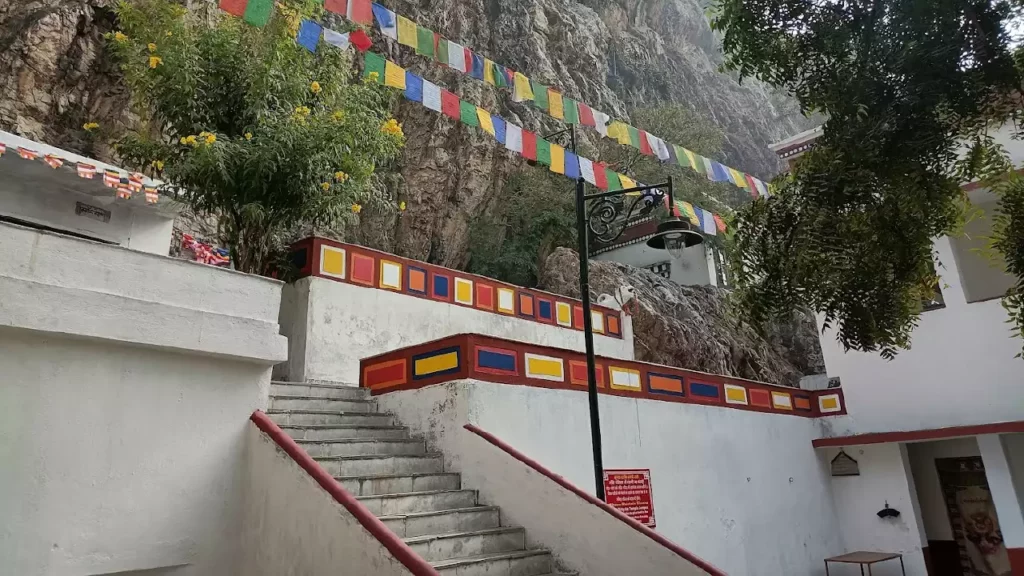
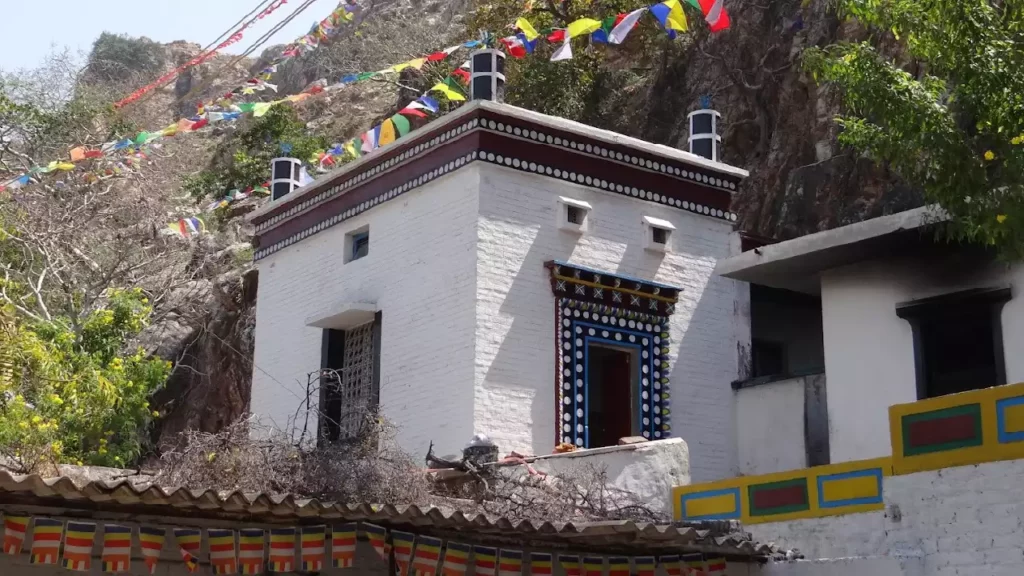
The Dungeshwari Hill Temples — also known as the Mahakala Caves — occupy one of the most spiritually charged sites in all of Bihar. Located along the Falgu River, approximately 12 to 15 kilometres from Gaya city and about 15 kilometres from central Bodh Gaya, these cave temples mark the place where the historical Gautama Buddha spent six years in extreme ascetic practice before he abandoned that approach and proceeded to Bodh Gaya to attain enlightenment under the Bodhi Tree.
The Six Years Before Enlightenment
Before the moment of enlightenment that defined Buddhism, the young ascetic Siddhartha Gautama spent years in the forest of Uruvela practising increasingly severe austerities. Ancient texts describe him reducing his food intake to almost nothing, sitting motionless for days, and subjecting his body to extremes of heat and cold. The caves at Dungeshwari are the traditional site associated with this period.
The turning point came when a village girl named Sujata offered Siddhartha a bowl of rice milk. He accepted it — a decision that marked his rejection of extreme asceticism and his recognition that the middle path, neither indulgence nor mortification, was the way to liberation. After eating, he rose from the caves and walked to the bodhi tree at what is now the Mahabodhi Temple compound. The caves at Dungeshwari are therefore the last place he occupied before the moment that changed human history.
The Cave Temples Today
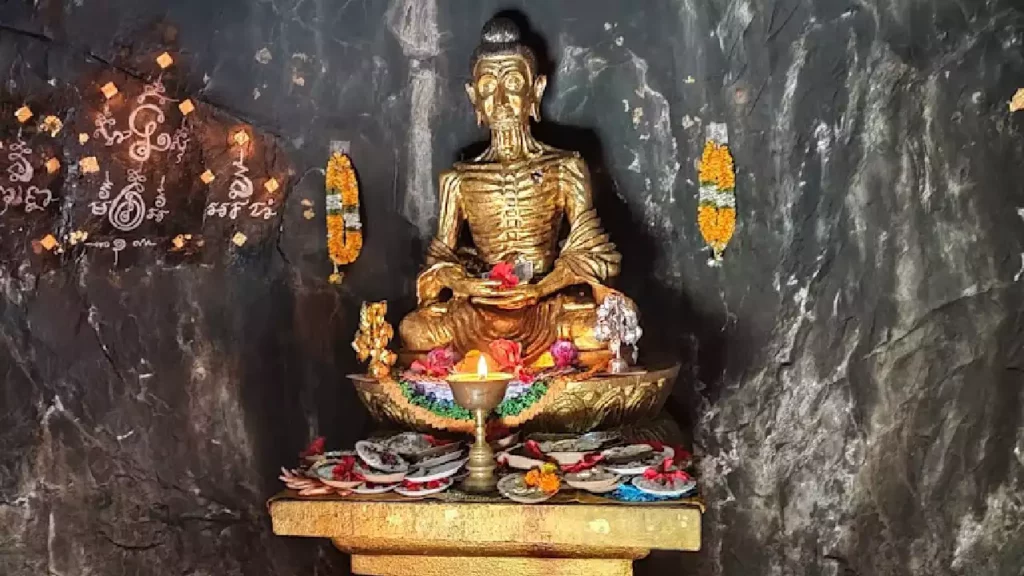
The hill contains several cave chambers, each of which has been converted into or houses a shrine. The configuration varies — some caves are natural rock formations that have been minimally altered, while others have stone-carved interiors with sculpted images. The main cave contains a figure of the emaciated Siddhartha, depicting him as he appeared during the years of harsh ascetic practice. This iconographic form — thin to the point of showing ribs and sinew — is rare in Indian Buddhist art and makes this figure visually unlike the serene, well-fed Buddha images found elsewhere in Bodh Gaya.
One of the cave temples is dedicated not to the Buddha but to Dungeshwari, a form of the Hindu goddess Durga. This dual religious identity — Buddhist and Hindu shrines coexisting in the same hillside — is characteristic of many pilgrimage sites in the Gangetic plain and reflects centuries of layered religious practice rather than any single moment of conversion or construction.
Hiuen Tsang’s Account
The 7th-century Chinese pilgrim Hiuen Tsang described these hills in considerable detail in his travel account, “Great Tang Records on the Western Regions.” His description places Buddhist cave monasteries here, inhabited by monks following the Hinayana and Mahayana traditions. He noted the difficult approach to the caves and the wild, forested character of the hills — conditions that made the site appropriate for the solitary austerities the Buddha-to-be was practising. Hiuen Tsang’s account is one of the earliest surviving written references to Dungeshwari and gives the site a documented historical presence stretching back more than 1,300 years.
Atmosphere and Experience
Visitors consistently describe Dungeshwari as qualitatively different from the other pilgrimage sites in the Bodh Gaya region. The Mahabodhi Temple is magnificent but constantly crowded. The international monasteries in Bodh Gaya town are peaceful but architecturally manicured. Dungeshwari is raw. The hillside path is narrow and uneven; the caves themselves are small and dark; the view from the hilltop across the flat Gangetic plain has changed relatively little since the 7th century. For practitioners of meditation, many of whom make this a specific destination rather than an incidental stop, there is something about the place that resists easy description — a quality of concentrated attention that the physical setting seems to amplify.
Pilgrims who follow the route from Gaya note that the road to Dungeshwari from Gaya is less congested than the approach from Bodh Gaya, and that rickshaws can bring visitors directly to the foot of the hill steps from the Gaya side.
Practical Information
- Location: Mahakala village, on the Falgu River, 12–15 km from Gaya city
- Access from Gaya: Auto-rickshaw or taxi from Gaya city; approximately 30–40 minutes by road
- Access from Bodh Gaya: About 15 km; taxis and auto-rickshaws available from Bodh Gaya’s main stand
- Climb: A set of stone steps leads up the hillside to the caves; allow 20–30 minutes for the ascent
- Entry: No fee; donations accepted at the shrines
- Timings: Open from dawn to dusk; best visited in the morning
- What to carry: Water, comfortable footwear for the climb, and a small torch if you want to explore the inner cave chambers
For full details on planning a visit to Bodh Gaya and the surrounding sites, including Dungeshwari, see our Bodh Gaya travel guide. If your pilgrimage includes ancestral rites at Gaya — which many visitors combine with a stop at Dungeshwari — our Gaya Pind Daan tour package covers logistics, ritual assistance, and accommodation across the full circuit.