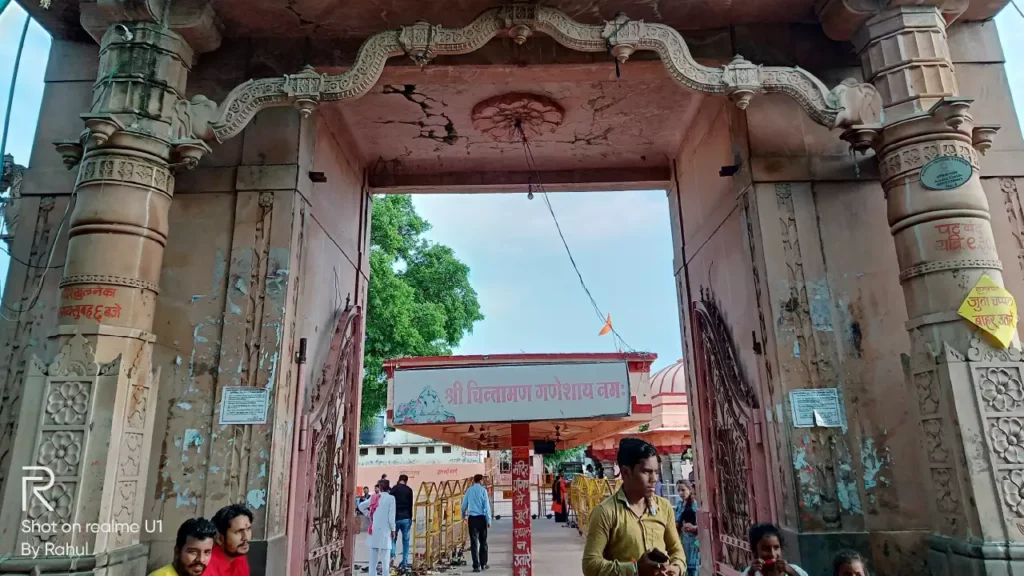
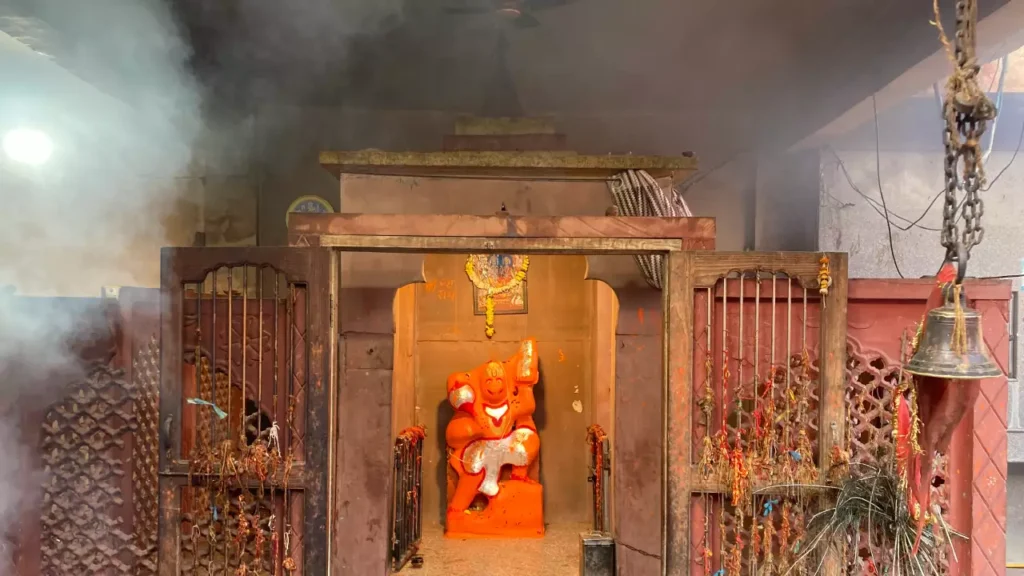
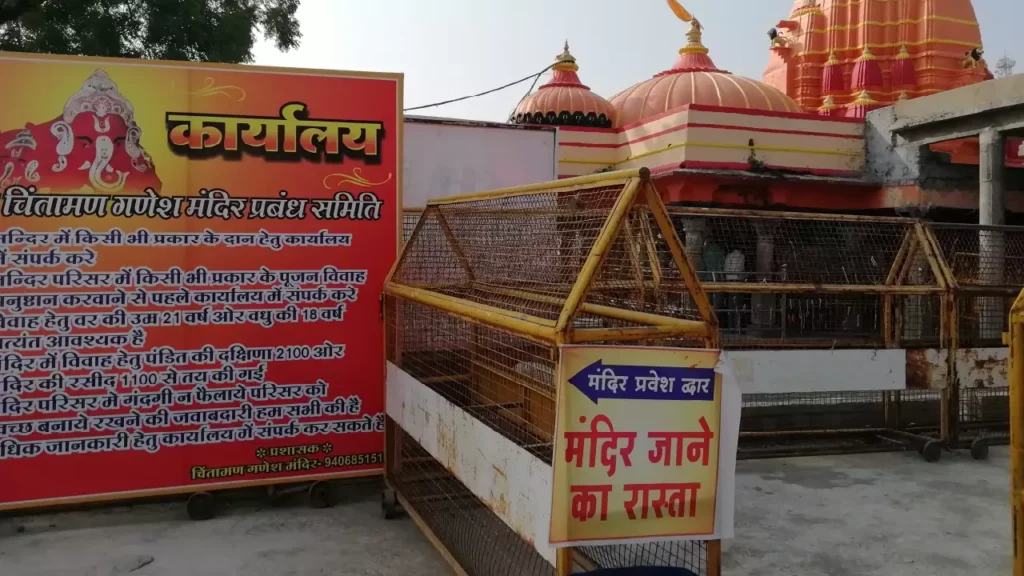
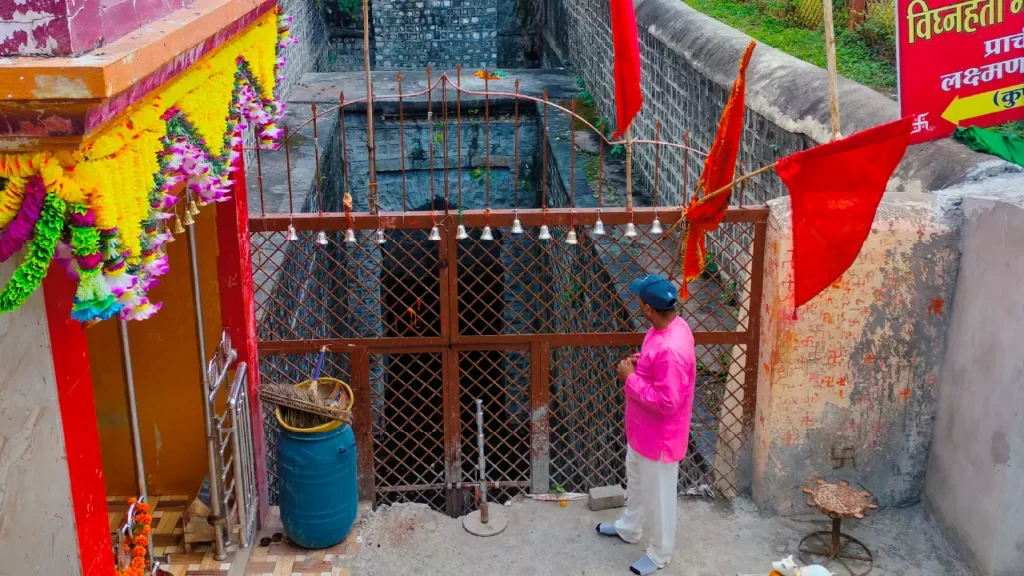
Chintaman Ganesh Temple in Ujjain is not merely one of the city’s important shrines — it is counted among the eight Ashtavinayak forms of Lord Ganesha, placing it on a circuit of the most sacred Ganesha temples in the world. The name “Chintaman” means “the one who removes chinta (worry) and grants the mani (jewel) of one’s desires,” reflecting the deeply personal nature of prayers offered at this temple. People come here carrying their fears, their unfulfilled wishes, and their anxieties — and the tradition holds that the form of Ganesha here is particularly responsive to heartfelt requests.
Chintaman Ganesha and the Ashtavinayak Tradition
The Ashtavinayak are eight self-manifested (Swayambhu) forms of Lord Ganesha, each with its own distinct name, story, and power. While the most celebrated Ashtavinayak circuit is located in Maharashtra (Pune, Theur, Lenyadri, Ranjangaon, Ozar, Siddhatek, Pali, and Morgaon), Ujjain’s Chintaman Ganesha is independently revered as one of the most ancient Ganesha seats in India. The temple’s age is difficult to determine precisely, but references to a Ganesha shrine at this location appear in texts connected to Ujjain’s Avantika period.
In the broader Ganapatya tradition (the sect that worships Ganesha as the supreme deity), Chintaman is one of three primary forms of Ganesha alongside Ekdant and Mahaganapati. The Chintaman form specifically represents Ganesha as the fulfiller of desires and the remover of mental burdens — as opposed to the obstacle-remover aspect (Vighneshwara) more commonly invoked at the beginning of tasks. This distinction makes Chintaman Ganesha particularly sought out by people dealing with long-standing problems, difficult decisions, or persistent worries.
History and Ancient Roots
The Chintaman Ganesh Temple is believed to be one of the oldest temples in Ujjain, predating many of the city’s more prominently known shrines. Ujjain was a major centre of Sanskrit scholarship and religious activity during the Gupta period (4th–6th century CE), and it is likely that a Ganesha shrine at this site was active during this period, given how integral Ganesha worship was to the city’s intellectual and religious culture. The great Sanskrit poet Kalidasa, who is traditionally associated with Ujjain, is believed to have been a devotee of Ganesha, and some traditions link him to this temple specifically.
The temple has been renovated and rebuilt at various points in its history. The present structure incorporates traditional North Indian temple architecture elements, with a modest but dignified shikhara and a well-maintained sanctum.
The Idol: Ancient, Swayambhu, Deeply Venerated
The primary idol of Lord Ganesha at Chintaman is considered Swayambhu — self-manifested, not carved by human hands. Swayambhu idols are among the most venerated in Hindu tradition because they are believed to carry a higher degree of divine presence than human-crafted images. The idol is depicted in a seated posture (Sukhasana), which is characteristic of the Chintaman form, conveying a sense of ease and approachability. Devotees offer modak (Ganesha’s favourite sweet), durva grass, and red flowers at the sanctum.
When to Visit: Ganesh Chaturthi and Beyond
Ganesh Chaturthi, the birth anniversary of Lord Ganesha celebrated on the fourth day of Shukla Paksha in Bhadrapada month (typically August-September), is the most important festival at Chintaman Ganesh Temple. The ten-day celebration transforms the temple complex, with elaborate decorations, continuous puja, and huge crowds arriving for darshan throughout the festival. The visarjan (immersion) procession from this temple on the final day is among the larger ones in Ujjain.
Wednesdays are considered Ganesha’s day of the week, and the temple sees increased footfall on Wednesdays throughout the year. Sankashti Chaturthi — observed on the fourth day of Krishna Paksha each month — is another regular occasion when devotees come to Chintaman for special puja, fasting, and darshan. The Sankashti puja is specifically associated with the removal of obstacles and difficulties, aligned with the Chintaman form’s primary function.
Chintaman Ganesha’s Place in the Ujjain Circuit
In the traditional sequence of a Ujjain darshan, visiting Chintaman Ganesh at the beginning of the pilgrimage is considered auspicious — as Ganesha is invoked first in every Hindu ritual to remove obstacles and ensure the success of whatever follows. Pilgrims typically start at Chintaman, proceed to Mahakaleshwar, then visit Harsiddhi, Kaal Bhairav, Gopal Mandir, and conclude with Mangalnath before the final bath at Ram Ghat. This sequence ensures that the Ujjain darshan begins with Ganesha’s blessings and ends with purification in the Kshipra.
During the Simhastha Kumbh Mela — the massive pilgrimage event that transforms Ujjain every twelve years, next scheduled for 2028 — Chintaman Ganesh becomes an early stop for most pilgrims arriving to participate in the bathing ceremonies at Ram Ghat.
Visiting Chintaman Ganesh Temple
The temple is located in the Fatehabad area of Ujjain, roughly 7 km from Ujjain Junction. It is accessible by auto-rickshaw and taxi from the main city. The temple is open from approximately 5:00 AM to 10:00 PM, with specific aarti timings in the morning and evening. The approach to the temple passes through a residential area before opening into the temple courtyard.
For a complete guide to Ujjain’s temples and how to plan your darshan circuit, see our Ujjain travel guide. Book our Ujjain 4N/5D Mahakal tour package which covers the complete Ujjain shrine circuit. Also read about the top temples of India to plan your broader pilgrimage.