
The Best Cultural Tours in Nepal – Introduction
Sacred Stops in Nepal
Experience the divine energy of the Himalayas
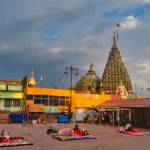
Pashupatinath Temple
One of the holiest Shiva temples in the world, located on the banks of the Bagmati River.
Muktinath Dham
A sacred "Mukti Kshetra" for both Hindus and Buddhists, located at the foot of the Thorong La pass.
Boudhanath Stupa
A massive mandala of peace and one of the largest spherical stupas in the world.
Manakamana Temple
The wish-fulfilling goddess reached by a scenic cable car ride over the Trishuli river.
Nepal, a landlocked nation nestled in the lap of the mighty Himalayas, is a vibrant tapestry of ancient traditions, diverse ethnic groups, and profound spiritual beliefs. Beyond its breathtaking mountain vistas, Nepal offers an unparalleled journey into the heart of a culture that has thrived for millennia, largely untouched by the frenetic pace of the modern world. For those seeking an immersive experience that transcends typical sightseeing, a cultural tour in Nepal is an absolute must.

This comprehensive guide will take you through the best cultural tours in Nepal, highlighting the iconic sites, unique experiences, and hidden gems that allow you to connect with the country’s rich heritage truly. From the bustling ancient cities of the Kathmandu Valley to the serene birthplace of Buddha and the indigenous villages that preserve ancestral ways of life, prepare to embark on a transformative adventure.
Unveiling Nepal’s Cultural Riches: Why Choose a Cultural Tour?
While Nepal is synonymous with trekking and adventure, its cultural depth is equally compelling. Cultural tours offer a chance to:
- Immerse in Living Heritage: Witness ancient rituals still practised today, explore centuries-old temples and palaces that are living museums, and observe daily life interwoven with deep-rooted traditions.
- Connect with Local Communities: Engage with diverse ethnic groups like the Newars, Sherpas, Gurungs, Tamangs, and Tharus, learning about their unique customs, languages, and artistic expressions.
- Experience Spiritual Awakening: Visit sacred Hindu and Buddhist sites, participate in meditative practices, and absorb the profound spiritual energy that permeates the land.
- Savour Authentic Cuisine: Delight your taste buds with traditional Nepali dishes, from savoury Newari feasts to hearty Thukpa, often prepared with locally sourced ingredients.
- Witness Traditional Arts and Crafts: Observe skilled artisans at work, creating intricate wood carvings, Thangka paintings, pottery, and metalwork that have been passed down through generations.
Top Destinations for Cultural Immersion in Nepal
Nepal’s cultural landscape is incredibly diverse. Here are the key regions and sites that form the cornerstone of any truly enriching cultural tour:
Kathmandu Valley: ThEpicentreer of Nepali Culture
The Kathmandu Valley, a UNESCO World Heritage Site, is a treasure trove of ancient cities, temples, and stupas, showcasing the architectural brilliance and spiritual fervour of Nepal. A cultural tour of this valley is often the starting point for visitors and offers an incredible concentration of historical and religious sites.
Kathmandu Durbar Square: A Royal Legacy
Kathmandu Durbar Square, also known as Hanuman Dhoka, was once the royal palace of the Malla and Shah kings. This historic square is a living museum, teeming with exquisitely carved wooden temples, ancient palaces, and vibrant courtyards.
- Key Highlights:
- Kumari Ghar: The residence of the Living Goddess Kumari, a young girl chosen to be the incarnation of the goddess Taleju. Witnessing her public appearance is a unique cultural experience.
- Kasthamandap: A large, multi-story wooden temple, believed to have been built from the timber of a single tree.
- Taleju Temple: A towering pagoda-style temple dedicated to the royal deity of the Malla kings, open to Hindus only during specific festivals.
- Maru Ganesh, Maju Deval, and Shiva-Parvati Temple: Intricate temples showcasing remarkable Newari craftsmanship.
- Old Freak Street: Once a famous haunt for hippies in the 1960s and 70s, it still retains some of its bohemian charm.

Swayambhunath Stupa (Monkey Temple): A Harmonious Blend
Perched atop a hill overlooking the Kathmandu Valley, Swayambhunath Stupa is one of Nepal’s oldest and most revered religious sites. This ancient complex offers a unique blend of Hindu and Buddhist elements, symbolising the religious harmony prevalent in Nepal.
Nepal
Naturally Nepal, Once Isn't Enough
Exotic Nepal 6N/7D Holiday Package
- Guided Tours
- Transportation
- Meals
- Hotel Stay
- Local Transportation
Indo Nepal 6N/7D Deluxe Tour Package
- Transportation
- Guided Tours
- Local Transportation
- Meals
- Hotel Stay
- Key Highlights:
- The Main Stupa: Adorned with the watchful eyes of Buddha, representing wisdom and compassion.
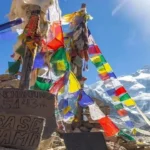
- Prayer Wheels and Flags: Circumambulate the stupa, spinning prayer wheels and admiring the colourful prayer flags fluttering in the breeze.
- Monkeys: The stupa is home to a large population of monkeys, considered sacred by devotees, adding to its popular moniker “Monkey Temple.”
- Panoramic Views: Enjoy breathtaking panoramic views of the entire Kathmandu Valley, especially at sunrise or sunset.

Boudhanath Stupa: A Tibetan Buddhist Sanctuary
Boudhanath Stupa is one of the largest stupas in the world and a prominent pilgrimage site for Tibetan Buddhists. Its massive mandala and the tranquil atmosphere, surrounded by monasteries and prayer wheels, offer a profound spiritual experience.
- Key Highlights:
- The Great Stupa: A colossal white dome topped with a golden spire, representing the path to enlightenment.
- Monasteries and Prayer Halls: Explore the numerous monasteries surrounding the stupa, observing monks chanting and performing daily rituals.
- Tibetan Culture: Immerse yourself in the vibrant Tibetan culture that thrives around Boudhanath, with shops selling thangka paintings, prayer beads, and Tibetan handicrafts.
- Evening Aarati: Witness the mesmerising evening Aarati ceremony, a ritual of lights and chants that creates a deeply spiritual ambience.
Pashupatinath Temple: Nepal’s Holiest Hindu Shrine
Located on the banks of the sacred Bagmati River, Pashupatinath Temple is Nepal’s most revered Hindu temple dedicated to Lord Shiva. It is a UNESCO World Heritage Site and a significant pilgrimage destination for Hindus worldwide.
- Key Highlights:
- Pagoda-style Architecture: Admire the intricate wooden carvings and golden roof of the main temple (entrance restricted to Hindus).
- Cremation Ghats: Observe Hindu cremation rituals along the Bagmati River, offering a profound insight into Nepalese beliefs about life and death.
- Sadhus: Encounter wandering ascetics (sadhus) with their distinct attire and painted faces.
- Evening Aarati: The daily evening Aarati ceremony by the riverbank is a powerful and moving spectacle of devotion.
Patan Durbar Square: The City of Fine Arts
Patan, also known as Lalitpur, is renowned for its exceptional artistry and craftsmanship. Patan Durbar Square is a magnificent complex of ancient palaces, temples, and courtyards, showcasing the pinnacle of Newari architecture.
- Key Highlights:
- Krishna Mandir: A stunning stone temple dedicated to Lord Krishna, considered one of the finest examples of Shikhara-style architecture in Nepal.
- Patan Museum: Housed within the former royal palace, the museum displays an impressive collection of ancient Hindu and Buddhist artefacts.
- Golden Temple (Hiranya Varna Mahavihar): A beautiful Buddhist monastery adorned with intricate golden artwork.
- Traditional Workshops: Wander through the narrow lanes to discover workshops where local artisans practice traditional metalwork, wood carving, and other crafts.

Bhaktapur Durbar Square: A Medieval Masterpiece
Bhaktapur, the “City of Devotees,” is arguably the best-preserved of the three ancient cities in the Kathmandu Valley. Its Durbar Square is a breathtaking ensemble of pagoda and shikhara-style temples, palaces, and courtyards that transport visitors back to medieval Nepal.
- Key Highlights:
- Fifty-Five Window Palace: A beautifully carved brick and wood palace, a testament to Newari craftsmanship.
- Nyatapola Temple: A magnificent five-story pagoda temple, the tallest in Nepal, dedicated to the goddess Siddhi Lakshmi.
- Golden Gate: An exquisitely crafted golden doorway, a masterpiece of repoussé art, leading to the Royal Palace.
- Pottery Square: Observe local potters shaping clay on traditional wheels, a vibrant and authentic cultural experience.
- Dattatreya Square: Home to the Dattatreya Temple and the Peacock Window, another fine example of Newari wood carving.
Changu Narayan Temple: Nepal’s Oldest Temple
Located on a hilltop near Bhaktapur, Changu Narayan Temple is the oldest Hindu temple in Nepal, dating back to the 5th century. Dedicated to Lord Vishnu, it is adorned with exquisite sculptures and carvings that offer insights into ancient Nepali art.
- Key Highlights:
- Ancient Stone Sculptures: Discover rare 7th-century stone sculptures depicting various forms of Vishnu.
- Pagoda-style Architecture: Admire the intricate details of this two-tiered pagoda temple.
- Historical Pillar: See the oldest known inscription in Nepal, erected by King Manadeva in 464 AD.
- Scenic Surroundings: Enjoy the peaceful atmosphere and views of the surrounding countryside.
Beyond the Valley: Expanding Your Cultural Horizons
While the Kathmandu Valley is undeniably rich, Nepal’s cultural tapestry extends far beyond its ancient cities.
Lumbini: The Birthplace of Lord Buddha
For spiritual seekers and history enthusiasts, a journey to Lumbini is profoundly significant. This UNESCO World Heritage Site in the Terai plains is the sacred birthplace of Siddhartha Gautama, the Buddha.
- Key Highlights:
- Mayadevi Temple: Marks the exact spot where Buddha was born, with ancient ruins and a sacred pond.
- Ashoka Pillar: Erected by Emperor Ashoka in 249 BC to commemorate his pilgrimage to Lumbini.
- International Monasteries: Explore various monasteries built by Buddhist communities from around the world, each showcasing unique architectural styles.
- World Peace Pagoda: A beautiful stupa symbolising peace and unity.
- Meditation and Reflection: The serene environment offers a perfect opportunity for quiet contemplation and meditation.
Chitwan National Park: Tharu Culture and Wildlife Encounters
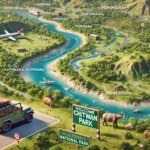
While primarily known for its wildlife safaris, Chitwan National Park also offers a unique opportunity to experience the indigenous Tharu culture. The Tharu people have a distinct way of life, deeply connected to the forest and rivers of the Terai region.
- Key Highlights:
- Tharu Village Tour: Visit a local Tharu village to learn about their traditional mud-and-thatch houses, observe their daily lives, and understand their customs.
- Tharu Cultural Dance: Enjoy vibrant Tharu stick dances and other traditional performances in the evening.
- Elephant Breeding Centre: Learn about elephant conservation efforts and their cultural significance.
- Jungle Activities: Combine cultural insights with thrilling wildlife encounters, including elephant-back safaris, canoe rides, and jungle walks to spot rhinos, deer, and various bird species.

Pokhara: Lakeside Tranquillity and Gurung Heritage
Often seen as a gateway to the Annapurna region’s treks, Pokhara offers a more relaxed cultural experience amidst stunning natural beauty. It’s an excellent place to unwind and also explore aspects of Gurung culture.
- Key Highlights:
- Phewa Lake: Enjoy a serene boat ride on the lake, with views of the Annapurna range and the Tal Barahi Temple located on an island.
- World Peace Pagoda: A majestic white stupa offering panoramic views of Pokhara Valley, Phewa Lake, and the Himalayas.
- International Mountain Museum: Learn about the history of mountaineering and the diverse ethnic groups of the Himalayas.
- Gurung Villages (e.g., Ghandruk, Ghalegaun): For a deeper cultural immersion, consider a short trek to nearby Gurung villages where you can experience traditional homestays, witness local customs, and enjoy their warm hospitality.
Janakpur: The City of Sita
Located in the southeastern Terai region, Janakpur is a significant pilgrimage site for Hindus, particularly those who revere Lord Rama and Sita. It is believed to be the birthplace of Goddess Sita.
- Key Highlights:
- Janaki Temple: A stunning, elaborately designed marble temple dedicated to Sita, showcasing Hindu-Koiri Nepali architectural styles.
- Ram Janaki Vivah Mandap: The site where Lord Rama and Sita were believed to have been married.
- Religious Festivals: Experience vibrant festivals like Vivah Panchami (commemorating the marriage of Rama and Sita) and Chhath Parva, offering deep insights into Hindu traditions.
Off-the-Beaten-Path Cultural Experiences
For those seeking truly authentic and lesscommercialisedd cultural encounters, consider these unique options:
Community Homestays and Indigenous Village Treks
Several regions in Nepal offer community homestays and treks to indigenous villages, providing an unparalleled opportunity for cultural exchange.
- Indigenous People Trail Trek: This trek focuses on interacting with various indigenous communities, offering homestays, local dances, traditional ceremonies, and insights into rural Nepali life.
- Tamang Heritage Trail: Located near the Langtang region, this trek allows you to experience the rich culture of the Tamang people, known for their Tibetan Buddhist traditions, vibrant festivals, and unique architecture. You can visit monasteries, enjoy hot springs, and partake in their daily life.
- Chepang Hill Trek: An opportunity to interact with the lesser-known Chepang community, an indigenous group with distinct cultural practices.
- Barpak and Gorkha: Explore villages in the Gorkha district, the ancestral home of the Shah dynasty, and learn about the local culture and history, including the Gurung and Magar communities.
Festival Participation
Timing your visit with one of Nepal’s numerous festivals can elevate your cultural tour significantly. Festivals are vibrant expressions of faith, community, and tradition.
- Dashain: The longest and most auspicious Hindu festival, celebrating the victory of good over evil.
- Tihar (Deepawali): The festival of lights, dedicated to various animals and deities, similar to Diwali in India.
- Holi: The festival of colours, a joyful and playful celebration.
- Indra Jatra: A grand street festival in Kathmandu, blending Hindu and Buddhist rituals, featuring masked dances and the chariot procession of the Living Goddess Kumari.
- Buddha Jayanti: Celebrated in Lumbini, Swayambhunath, and Boudhanath, commemorating the birth of Lord Buddha.
Artistic and Culinary Workshops
Engage directly with Nepali culture through hands-on experiences:
- Thangka Painting Workshops: Learn the intricate art of Tibetan Buddhist Thangka painting in Boudhanath.
- Pottery Making: Try your hand at traditional pottery in Bhaktapur’s Pottery Square.
- Nepali Cooking Classes: Discover the secrets of Nepali cuisine, learning to prepare dishes like Dal Bhat, Momos, and Newari specialities.
- Traditional Music and Dance Performances: Attend evening cultural shows in Kathmandu or Pokhara that showcase various Nepali folk dances and music.

Planning Your Best Cultural Tour in Nepal: Tips for a Seamless Journey
To ensure your cultural tour is truly unforgettable, here are some essential considerations:
Best Time to Visit for Cultural Tours
The ideal time for cultural tours in Nepal is during the autumn (September to November) and spring (March to May) seasons. These periods offer stable weather, clear skies, and comfortable temperatures, perfect for exploring outdoor sites and participating in festivals. The monsoon season (June-August) can be challenging due to rain, and winter (December-February) can be quite cold, especially in the mornings and evenings.
Duration of Cultural Tours
A typical cultural tour can range from 4 to 10 days, depending on the depth of immersion desired.
- 4-5 days: Primarily focuses on the Kathmandu Valley (Kathmandu, Patan, Bhaktapur).
- 7-8 days: Includes the Kathmandu Valley, with an extension to Pokhara or Chitwan.
- 10+ days: Allows for a more comprehensive exploration, including Lumbini, Janakpur, or indigenous village treks.
Choosing a Tour Operator
- Reputation and Reviews: Look for tour operators with excellent reviews, particularly focusing on their cultural tour offerings. (e.g., Peregrine Treks and Tours, Intrepid Travel, Nepal Social Treks often receive positive feedback for cultural experiences).
- Customisation: A good operator should be able to customise itineraries to your interests and pace.
- Local Guides: Ensure they provide knowledgeable local guides who can offer deep insights into the history, culture, and traditions of each site.
- Ethical Tourism: Choose operators committed to sustainable and responsible tourism practices that benefit local communities and preserve cultural heritage.
Essential Packing List for Cultural Tours
- Comfortable Walking Shoes: You’ll be doing a lot of walking around ancient squares and temple complexes.
- Modest Clothing: Dress respectfully, especially when visiting religious sites. Shoulders and knees should be covered.
- Lightweight Layers: Nepal’s weather can vary throughout the day.
- Sun Protection: Hat, sunglasses, and sunscreen.
- Reusable Water Bottle: Stay hydrated and reduce plastic waste.
- Camera: To capture the incredible sights (always ask for permission before photographing people).
- Small Backpack: For daily essentials.
- Hand Sanitiser and Wet Wipes: For convenience.
Cultural Etiquette in Nepal
- Namaste: Greet people with “Namaste” (or “Namaskar”), pressing your palms together at chest level.
- Remove Shoes: Always remove your shoes before entering temples, monasteries, or homes.
- Circumambulate Clockwise: When walking around stupas or temples, always do so clockwise.
- No Public Displays of Affection: Be mindful of local customs regarding public displays of affection.
- Bargaining: It’s acceptable to bargain in local markets, but do so respectfully.
- Offerings: If you wish to make offerings at temples, observe how locals do it or ask your guide.
- Photography: Always ask for permission before taking photos of people, especially monks and sadhus.
Internal Links for Further Exploration
- Explore UNESCO World Heritage Sites in Nepal here.
- Nepal Visa Requirements here.
- Traditional Nepali Cuisine Guide here.

Conclusion: A Journey for the Soul
Nepal’s cultural tours offer far more than just sightseeing; they are a profound journey into the heart of a civilisation where spirituality, art, and tradition intertwine seamlessly. From the ancient grandeur of the Kathmandu Valley to the tranquil birthplace of Buddha and the vibrant lives of indigenous communities, every moment in Nepal is an opportunity for discovery and connection.
By choosing a cultural tour, you’re not just observing; you’re participating, learning, and becoming part of Nepal’s ongoing story. So, pack your bags, open your mind and heart, and prepare to be enchanted by the unparalleled cultural wonders of the Himalayas.
Nepal Travel Essentials
Everything you need to know before crossing the border
Do Indian citizens need a visa for Nepal?
No, Indian nationals do not need a visa. However, you must produce a valid identity proof (Passport or Voter ID) at the border or airport.
Is Indian currency accepted in Nepal?
Yes, Indian Rupee (INR) notes of ₹100 and below are widely accepted. However, ₹500 notes are generally not accepted or illegal to carry in bulk. It is best to carry ₹100 notes or exchange for Nepali Rupees (NPR).
When is the best time for Muktinath Yatra?
The best time is March to May and September to November. Winters are very cold, and monsoons can cause landslides making the road difficult.