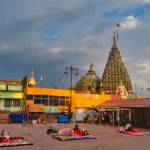
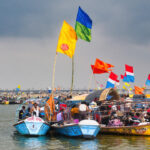
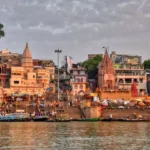
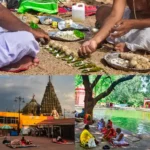
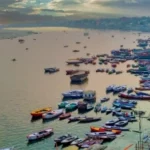

Unlike other rivers, the Phalguni flows beneath the sand. Legend says Goddess Sita cursed the river to be invisible on the surface, yet it remains the most potent spot for Pind Daan. The water exists as a hidden “Gupt Ganga,” symbolizing the unseen connection with our ancestors.
In the spiritual landscape of Hinduism, few duties are as deeply revered as honoring one’s ancestors. Among the most profound and spiritually elevating rituals dedicated to the departed is the Hiranya Shrardham and Pinda Pradhanam, culminating in the sacred Pind Daan at Phalguni River in Gaya, Bihar. This ritual is considered the ultimate act of filial piety, a bridge between the physical world and the divine realm of the Pitrus (ancestors).
If you are planning to perform Pind Daan at Phalguni River, here is everything you need to know about this sacred Pooja—why it is performed, how it is done, and the strict disciplines that accompany it.
Why is this Pooja Done?
According to Vedic traditions, every individual is born with a spiritual debt to their ancestors, known as Pitru Rina. When a person passes away, their soul requires spiritual nourishment to transition peacefully from this world to the spiritual realm and ultimately attain Moksha (liberation from the cycle of birth and death). Hiranya Shrardham (an offering made through Dakshina, money, or gold), combined with the holy Pind Daan at Phalguni River, satisfies the unfulfilled desires of the departed souls. It is believed that performing Pind Daan at Phalguni River guarantees salvation for the ancestors, allowing them to bless their descendants from the heavens.
Where is it done?
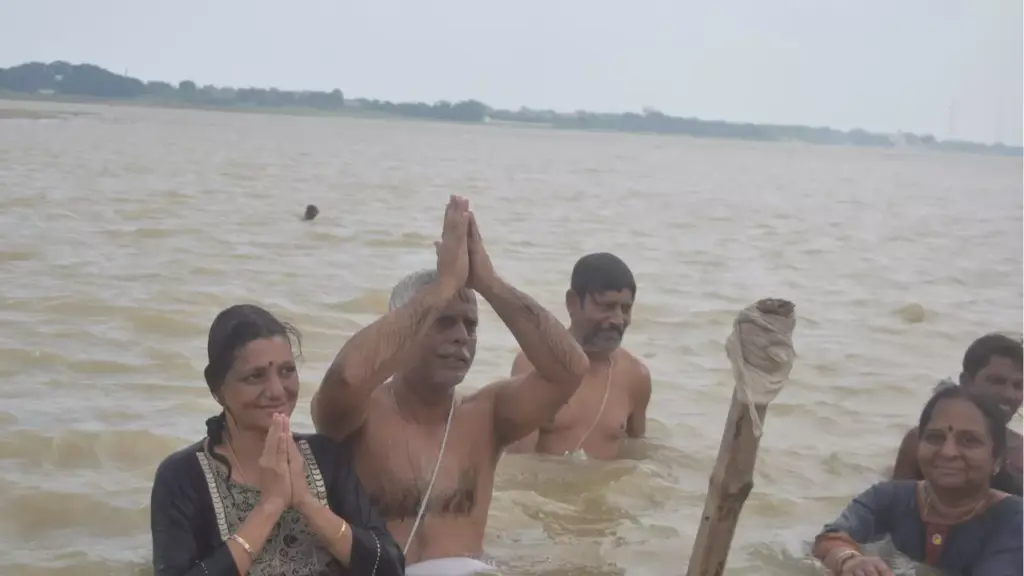
As the name implies, this specific ritual is performed on the holy banks in Gaya, Bihar. Gaya is globally recognized as the most auspicious pilgrimage site for Pitru Paksha and ancestral rites. According to the epic Ramayana, Goddess Sita herself performed Pind Daan at the Phalguni River for King Dasharatha. Though the river often appears dry on the surface due to a mythological curse, its waters flow beneath the sand, symbolizing the unseen but eternal connection between the living and the dead. This makes offering Pind Daan at Phalguni River a profoundly unique spiritual experience.
Who Should Perform It and With Whom?
The primary performer of Pind Daan at Phalguni River is a male descendant, usually the eldest son, whose parents have passed away. However, it is fundamentally a joint spiritual endeavor. The performer must be accompanied by his wife (Sahadharmini) when undertaking the journey for Pind Daan at Phalguni River. In Hindu dharma, a husband and wife are spiritual halves of a whole; thus, the presence and active, hands-on participation of the wife are absolutely vital for the completion and success of the ritual.
The Ritual Details: The 64 Pindams
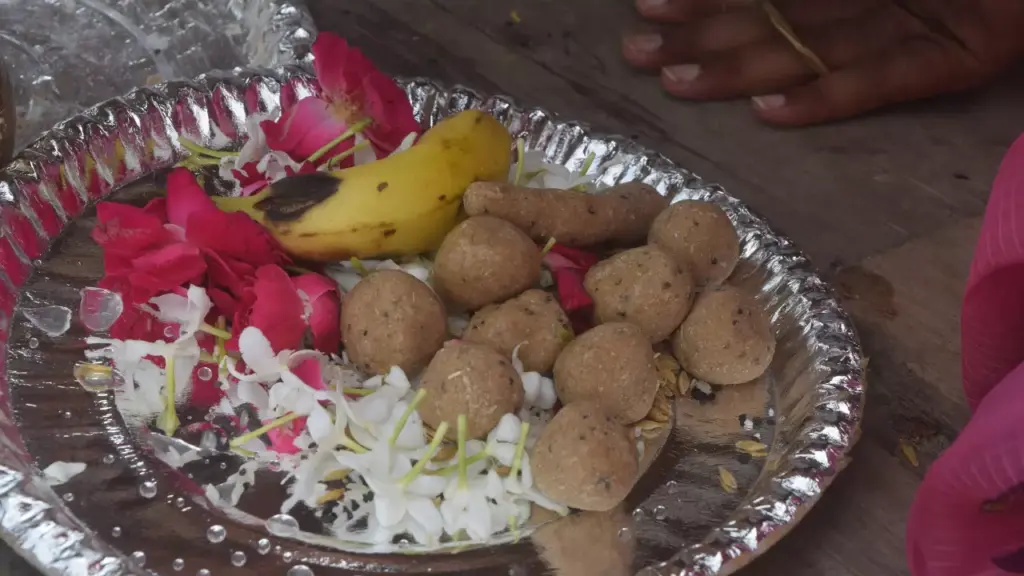
The core of Pind Daan at Phalguni River revolves around utmost devotion and specific sacred articles. The Vadyar (officiating priest) guides the couple through the Vedic chants. The most crucial requirement is the Havis-Annam—holy cooked rice provided in a sacred vessel by the Vadyar.
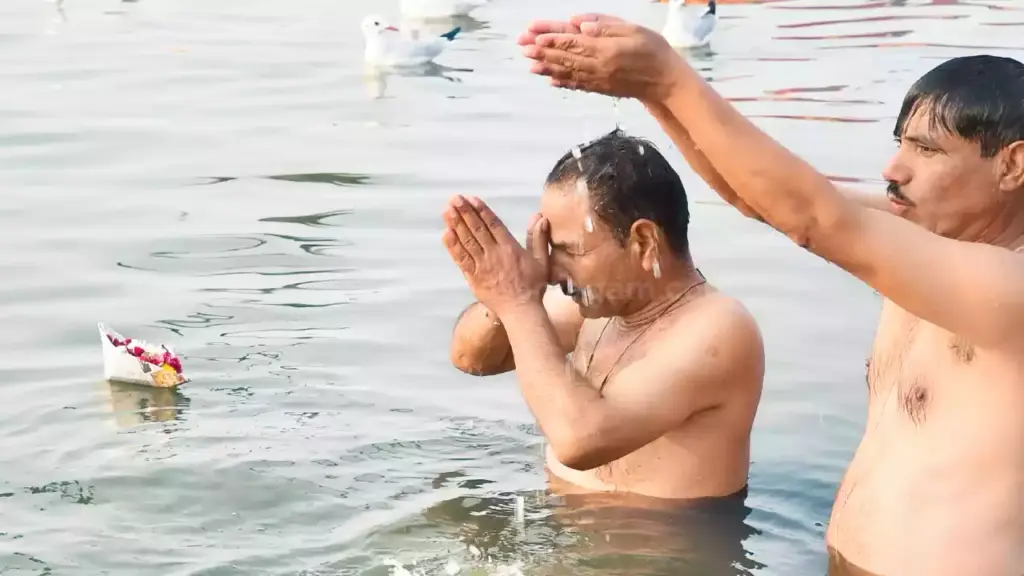
Taking this Havis-Annam, the wife sits beside her husband and meticulously prepares 64 Pindams (rice balls) for the Pind Daan at Phalguni River. These 64 Pindams are highly symbolic; they represent various generations of ancestors from both the maternal and paternal sides, as well as unknown souls, friends, or relatives who may have died without anyone to pray for them. Once the wife prepares these 64 Pindams, they are reverently offered through prayers and mantras. Finally, the couple carries these Pindams and immerses them in the sacred waters, ensuring the Pind Daan at Phalguni River quenches the spiritual hunger of their ancestors forever.
What Should Be Worn?
Purity is paramount when performing Pind Daan at Phalguni River.
- Men: Must wear a traditional, unstitched white Dhoti and an Angavastram (shoulder cloth). The upper body is usually kept bare of stitched clothing during the core ritual to absorb the sacred energies of the mantras during the Pind Daan at Phalguni River.
- Women: The wife must wear a traditional, modest saree. Auspicious colors like yellow, red, or maroon are highly recommended. Black, dark blue, or overly bright and distracting patterns must be strictly avoided.
What Should Be Eaten?
The dietary restrictions reflect the solemnity of the Pind Daan at Phalguni River ritual. Before the pooja, the couple must observe a strict fast. Once the ritual is fully completed and the ancestors have been fed, the couple breaks their fast but must adhere to a strict Sattvic diet.
- What to eat: Simple, freshly cooked vegetarian food—usually rice, dal, and mild vegetables.
- What to avoid: There must be absolutely no consumption of onions, garlic, root vegetables (in some strict traditions), meat, eggs, or alcohol. The food is eaten to sustain the body, without catering to the pleasures of the tongue, maintaining a state of physical and mental purity.
The Ritual Process
Step–by–step guide to Hiranya Shrardham.
- Havis-Annam Preparation: The Vadyar (Priest) provides the holy cooked rice in a sacred vessel.
- Pinda Pradhanam: The wife prepares 64 rice balls representing maternal and paternal ancestors and unknown souls.
- Tarpanam & Mantra: The couple offers the Pindams while chanting specific Vedic mantras for liberation
- Visarjan (Immersion): The Pindams are immersed in the sands/waters of the Phalguni River to quench the ancestors' thirst.
The Benefits
The benefits of performing the Hiranya Shrardham and Pinda Pradhanam in Gaya are immense. Spiritually, it grants instant Moksha to the ancestors. Materially and emotionally, it removes Pitru Dosha (ancestral curses or imbalances) from the family lineage. Families who complete this ritual often report the clearing of chronic life obstacles, the resolution of family disputes, success in career and marriage, and the blessing of healthy progeny. It brings deep psychological peace to the performer, knowing they have fulfilled their highest duty to those who gave them life.
Rules for Pind Daan
Guidelines on Diet, Dress, and Eligibility.
What is the dress code for men?
Men must wear an unstitched white Dhoti and Angavastram. The upper body should remain bare during the core ritual to absorb sacred energies.
What colors should women avoid?
Women should wear a modest Saree in auspicious colors like yellow or red. Black, dark blue, or distracting patterns are strictly prohibited.
What are the dietary rules?
A strict Sattvic diet is mandatory. No onions, garlic, meat, eggs, or alcohol. Devotees usually fast before the Pooja and eat simple rice/dal afterwards.
Ready to perform these sacred rites? Our Gaya Pind Daan Tour Package includes pandit arrangements, accommodation, and all ritual logistics.