

Vedic scriptures state that our worldly success is linked to our ancestors. Pancha Theertha Shrardham is the specific mechanism to repay this debt, clearing “Pitru Dosha” (ancestral blockages) and opening the path for family prosperity.
Kashi (Varanasi), the spiritual capital of India, is revered globally as the ultimate gateway to Moksha (liberation). Among the numerous sacred rituals performed on the banks of the holy Ganges, performing Pancha Theertha Shrardham in Kashi stands out as one of the most profound and vital ceremonies for honoring departed ancestors. If you are planning to perform this sacred rite for your forefathers, here is a complete, detailed guide on why, where, and how Pancha Theertha Shrardham in Kashi is done.
Why is it done?
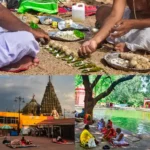
According to Hindu Vedic scriptures, our physical existence and worldly successes are deeply indebted to our ancestors—a concept known as Pitru Rina. The Pancha Theertha Shrardham in Kashi is a specialized ancestral rite performed to grant eternal peace and spiritual liberation to the souls of departed forefathers. By offering Pindams (sacred rice balls) at five highly potent energetic centers during your Pancha Theertha Shrardham in Kashi, the performer helps their ancestors smoothly transition into the highest spiritual realms, freeing them from the cycle of birth and rebirth.
What are the Benefits?
The spiritual rewards of this pooja are immense. Performing Pancha Theertha Shrardham in Kashi clears Pitru Dosha (ancestral karmic blockages or curses) from the family lineage. It removes unexplained obstacles in the family’s wealth, harmony, and health. Furthermore, satisfied and liberated ancestors are believed to shower the performer and future generations with profound blessings, prosperity, and peace of mind once the Pancha Theertha Shrardham in Kashi is completed.
Where and How is it Done? (The Ritual Details)
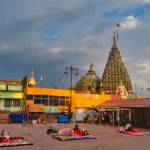
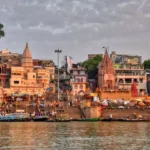
As the name implies, “Pancha-Theertha” means five sacred water bodies or ghats. The unique procedure for Pancha Theertha Shrardham in Kashi involves an actual physical journey along the Ganges.
The procedure traditionally begins at Hanuman Ghat. The performer hires a boat and traverses the sacred river, making stops at five specific, highly revered ghats. At each of these five ghats, the performer offers 17 Pindams to the ancestors as a crucial part of the Pancha Theertha Shrardham in Kashi. Before making the offering at each stop, the performer is required to take a holy dip in the Ganges (weather and water currents permitting) to purify the body and soul. The boat journey ultimately concludes at the legendary Manikarnika Ghat—the grand cremation ground where Lord Shiva Himself is believed to grant the ultimate salvation.
What Should Be Worn? (Madi-Vastram)
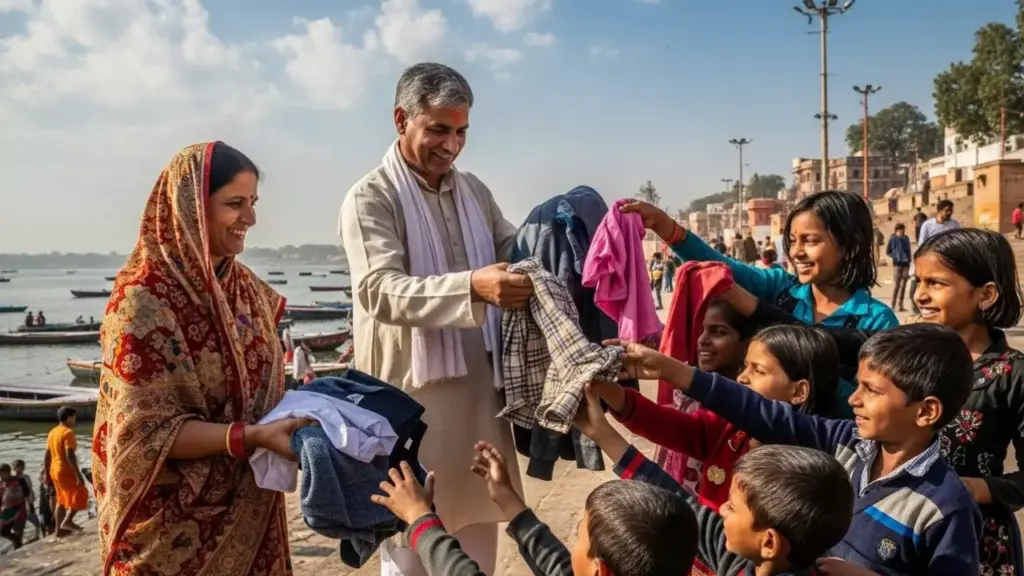
Absolute purity is the cornerstone of this ritual. Performers of Pancha Theertha Shrardham in Kashi are strictly required to wear Madi-Vastram, which translates to ritually pure, washed, and often wet clothes. Men must wear a traditional, unstitched white dhoti and an angavastram (upper shoulder cloth). Women accompanying or participating wear a traditional pure silk or cotton saree. Wearing synthetic fabrics, belts, or stitched modern clothing like trousers and shirts is strictly prohibited during the active offering to ensure the highest level of traditional sanctity for your Pancha Theertha Shrardham in Kashi.
What Should Be Eaten? (Havis-Annam)
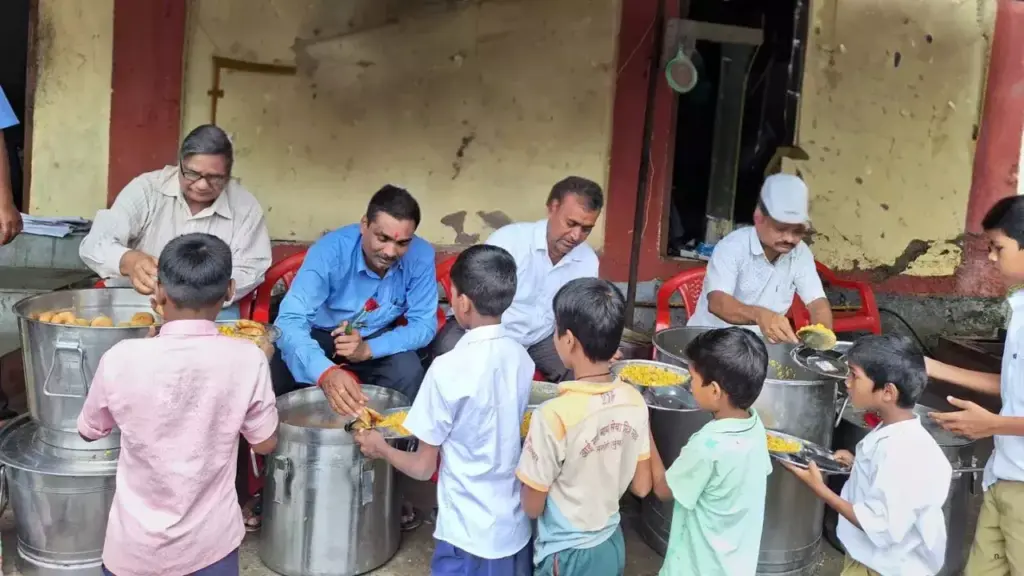
Dietary discipline plays a crucial role in maintaining the Sattvic (pure) energy required to communicate with the ancestral realm. The performer must maintain a strict fast before the ritual. Once the intricate pooja for Pancha Theertha Shrardham in Kashi is completed, one must consume only Havis-Annam. This is a highly sacred meal prepared strictly without salt, spices, onion, or garlic. It typically consists of plain rice cooked with pure cow’s ghee and moong dal. This austere dietary observance ensures that the body remains spiritually aligned with the solemnity of the ritual.
Who Should Perform It and With Whom?
The Pancha Theertha Shrardham in Kashi is traditionally performed by the eldest son or the male descendants of the family on behalf of their parents and forefathers. However, it is fundamentally a family obligation. The main performer should ideally be accompanied by his spouse, as the presence of the Dharmapatni (wife) completes the spiritual eligibility for all major Vedic rituals. Crucially, this elaborate rite cannot be done alone. To properly conduct Pancha Theertha Shrardham in Kashi, it must be performed under the strict, active guidance of learned Kashi Purohits (Vedic priests) who know the exact navigational routes, the specific mantras, and the strict procedural nuances of the five ghats.
Conclusion
Organizing a Pancha Theertha Shrardham in Kashi is more than just a traditional obligation; it is an act of ultimate devotion, love, and gratitude toward your lineage. By following the ancient Vedic steps to perform Pancha Theertha Shrardham in Kashi, you are guaranteed to bring immense spiritual relief to your ancestors and invite generations of abundance and peace into your family’s life.
Guidelines for the Performer (Karta)
Essential rules to follow before and after the ritual.
What is "Havis-Annam"?
It is the sacred meal consumed after the ritual. It consists of plain rice, moong dal, and cow’s ghee, cooked without salt, spices, onions, or garlic to maintain Sattvic purity.
Can I perform this alone if I am unmarried?
The eldest male descendant usually performs it. If married, the wife (Dharmapatni) must accompany him. Unmarried men can perform it, but specific Sankalp adjustments are made by the priest.
How long does the entire ritual take?
Since it involves a boat journey to 5 different ghats and rituals at each stop, please set aside 3 to 4 hours. Morning time (start by 7:00 AM) is recommended.
Combine Kashi rituals with Gaya and Prayagraj in our Prayagraj-Varanasi-Gaya Teerth Shradh Tour — a complete ancestral rites pilgrimage.