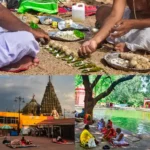
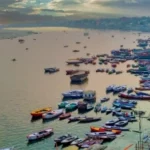
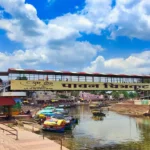

Varanasi, affectionately known as Kashi, is the spiritual capital of India. It is believed that a pilgrimage to this ancient city is incomplete without offering your reverence to the life-giving River Ganges. Among the many profound rituals performed on the sacred ghats, performing a Ganga Pooja in Varanasi holds a highly revered place, especially for couples.
If you are planning to participate in a Ganga Pooja in Varanasi, here is everything you need to know—from the profound meaning behind the ritual to the specific rules of attire and diet.
What is a Ganga Pooja in Varanasi and Why is it Done?
A Ganga Pooja in Varanasi is a dedicated thanksgiving ritual offered directly to Goddess Ganga. In Hindu philosophy, the River Ganga is not just a water body but a divine mother who washes away lifetimes of sins and grants salvation (Moksha).
Couples perform a Ganga Pooja in Varanasi to seek the Goddess’s blessings for a harmonious, prosperous, and long married life. It is deeply symbolic of purification. By praying to the river that continuously flows and nourishes, couples ask for the same continuous flow of love, fertility, and spiritual wisdom in their own lives, clearing any obstacles or negative karma.
Where is a Ganga Pooja in Varanasi Performed?
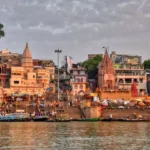
This magnificent Ganga Pooja in Varanasi is traditionally performed on the ancient ghats of Kashi. While it can be done at various ghats, it is most popularly conducted at the Dashashwamedh Ghat, Assi Ghat, or Manikarnika Ghat. Sitting right at the edge of the sacred waters, priests chant Vedic mantras while the couple offers their prayers to the flowing river.
Who Performs the Ganga Pooja in Varanasi and How?
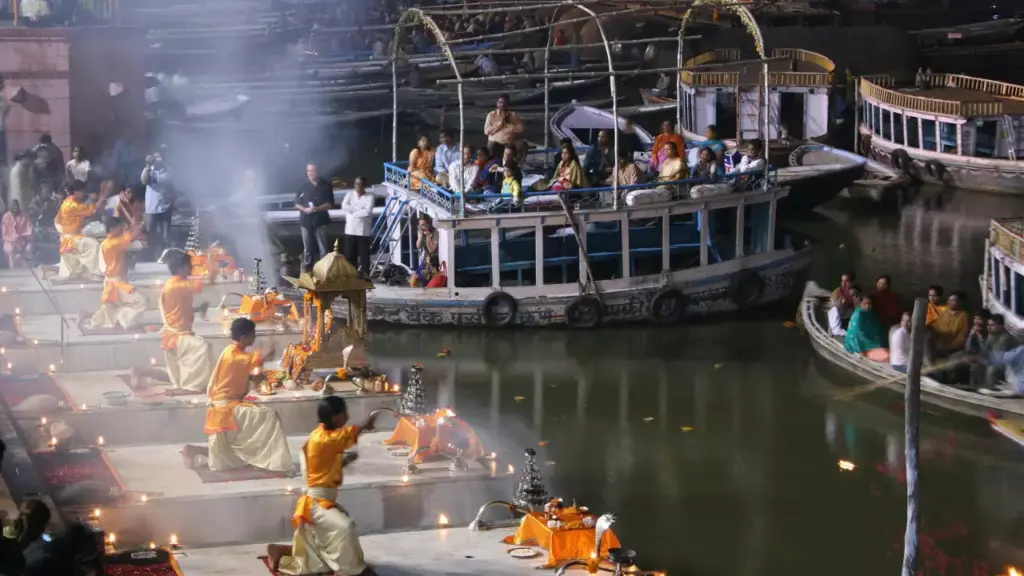
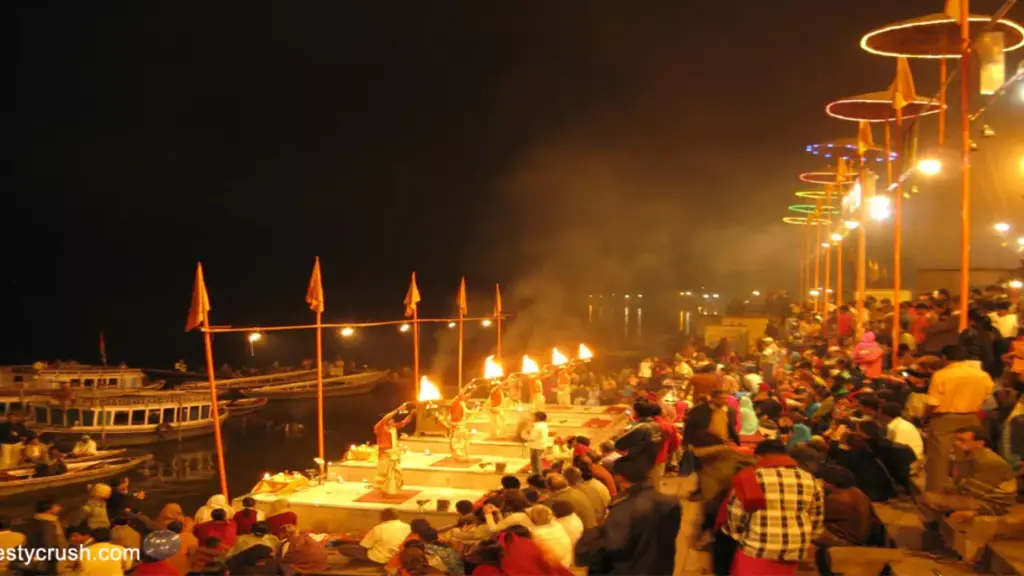
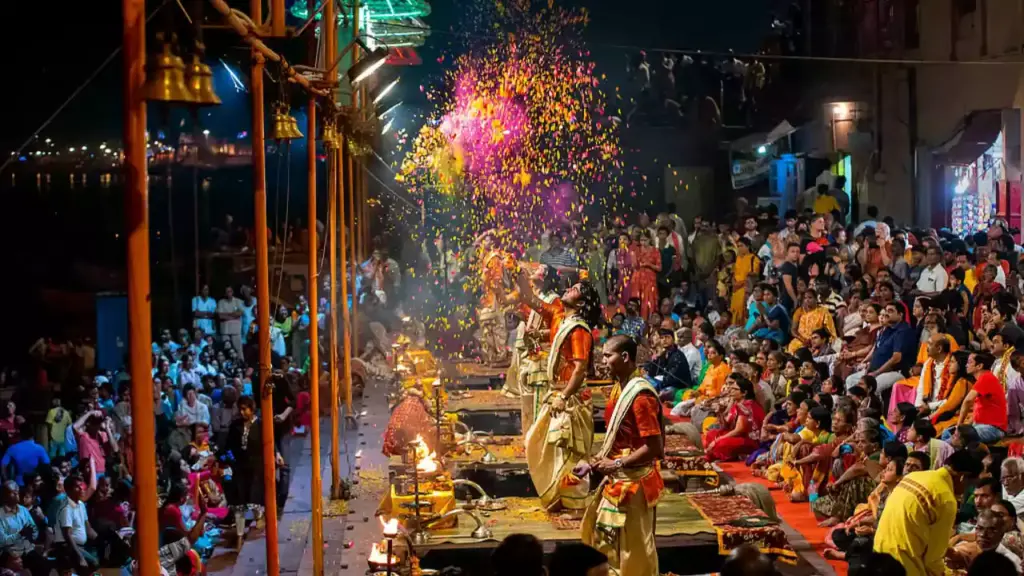
Details: A dedicated Ganga Pooja in Varanasi to honor Goddess Ganga is performed by the couple after the final bath.
This ritual is specifically designed to be performed by a husband and wife together. According to tradition, the couple must first take a holy dip in the Ganges. This “final bath” acts as a physical and spiritual cleanser. Emerging from the holy water, leaving behind their past sins and worries, the couple sits together to perform the pooja on the banks, uniting their energies in devotion.
Articles and Requirements
Every Ganga Pooja in Varanasi requires specific sacred items to honor the Goddess. The required articles include:
- Flowers: Fresh garlands, loose marigolds, and pink lotuses, which the Goddess deeply loves.
- Pooja Items: Turmeric (Haldi), vermilion (Kumkum), sandalwood paste (Chandan), camphor, incense sticks (Agarbatti), and earthen lamps (Diyas).
- Offerings: A fresh coconut, betel leaves, betel nuts, and sometimes a red or yellow chunri (sacred cloth), which is gently offered to the river.
From the Ghat Steps
Sit on the steps of Dashashwamedh Ghat. Free of cost, high energy, but very crowded.
- Private Boat Ride: Watch from the river facing the priests. The most photogenic and serene view (Front Row recommended).
- VIP Balcony: Reserved seating in nearby terraces for a comfortable, elevated view away from the crowds.
- From the Ghat Steps: Sit on the steps of Dashashwamedh Ghat. Free of cost, high energy, but very crowded.
- Private Sankalp: Perform your own brief Pooja with a Priest on the boat before the main Aarti begins.
What Should Be Worn?
Attire plays a crucial role in maintaining the purity of your Ganga Pooja in Varanasi.
- For Women: A traditional Indian saree is required. It is highly auspicious to wear colors like red, yellow, or orange, which signify purity, prosperity, and marital bliss. Black and leather accessories should be strictly avoided.
- For Men: A traditional unstitched Dhoti is preferred, often paired with a simple Kurta or an Angavastram (a cloth draped over the shoulders). White, yellow, or saffron are the best colors.
What Should Be Eaten?
Maintaining bodily purity is just as important as spiritual purity.
- Before the Ganga Pooja in Varanasi: The couple is required to observe a fast (Upavas) from the morning until the completion of the pooja and the holy bath.
- After the Ganga Pooja in Varanasi: Once the ritual concludes, the couple breaks their fast by consuming the Prasad offered during the pooja, which usually consists of fresh fruits, milk-based sweets, and Panchamrit (a holy mixture of milk, curd, honey, sugar, and ghee). For their subsequent meals, they must strictly consume a Sattvic diet—pure vegetarian food prepared without any onion or garlic.
The Divine Benefits
Performing a Ganga Pooja in Varanasi brings an abundance of blessings. It is believed to bring profound peace to the couple’s minds, dissolve misunderstandings, and foster unbreakable marital harmony. For those seeking to start a family, it brings blessings of fertility and healthy progeny. Ultimately, it grants spiritual upliftment, ensuring that the couple’s journey together is protected and guided by the divine grace of Mother Ganga.
Completing your Ganga Pooja in Varanasi by standing on the ghats of Kashi, holding a lit diya with your life partner, and watching it float away on the sacred waters is not just a ritual—it is an unforgettable experience of spiritual awakening.
Planning Your Visit
Answers to common questions about Ganga Pooja.
Is there an entry fee for Ganga Aarti?
No, watching the Aarti from the Ghat steps is completely free. You only pay if you hire a boat or rent a chair/balcony seat.
Can I take photos and videos?
Yes, photography is allowed and encouraged. Flash photography might be restricted close to the priests during the main ritual.
Is it wheelchair accessible?
The Ghats have steep steps and are difficult for wheelchairs. However, we can arrange a porter (doli) service or help you access a boat from a more accessible point (like Assi Ghat).
Combine Kashi rituals with Gaya and Prayagraj in our Prayagraj-Varanasi-Gaya Teerth Shradh Tour — a complete ancestral rites pilgrimage.