
Type “Banaras” into Google Maps and it takes you straight to Varanasi. Search for train tickets to “Varanasi” and the station code that comes up is BSB — Banaras. The confusion is completely understandable, and if you have been wondering whether Varanasi and Banaras are actually the same city, the short answer is: yes, without question, they are the same place.
But the longer answer is far more interesting. These two names — and a third, Kashi — carry centuries of history, shifting political power, cultural identity, and spiritual weight. Each name emerged in a different era for a different reason, and understanding them tells you a great deal about the city itself before you even arrive.
Yes, Varanasi and Banaras are exactly the same city. There is no geographical difference. ‘Varanasi’ is the official name used on maps and government documents, while ‘Banaras’ is the beloved cultural name used by locals and is deeply tied to the city’s identity in literature, food, and music.
Are Varanasi and Banaras the Same? The Three Names of One City
This city on the banks of the Ganga has had at least three names that have been in active use for more than two thousand years. Scholars and historians generally agree that all three — Varanasi, Banaras, and Kashi — refer to the same geographical location, but they arrived at different times and carry different connotations.
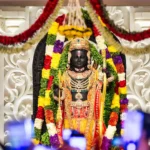
Kashi is the oldest of the three. Ancient Sanskrit texts, including the Puranas, the Mahabharata, and the Skanda Purana, consistently call this city Kashi. The name comes from the Sanskrit root “kas,” meaning to shine or to radiate light. Kashi therefore means “the city of light” or more precisely “the luminous one.” This name is still used today in religious contexts — the Kashi Vishwanath Temple retains this ancient name, and pilgrims performing ancestral rites here often refer to the city as Kashi because it carries the full spiritual weight of the Hindu scriptures.
Varanasi is derived from two rivers: the Varuna, which meets the Ganga at the northern edge of the city, and the Assi, a smaller stream that joins the Ganga at the southern boundary. The stretch of the city between these two rivers is Varanasi — “vara” and “nasi” being phonetic contractions of Varuna and Assi. This geographic explanation appears in several Puranic texts. The Skanda Purana, one of the most important sources on the sacred geography of Kashi, references this river-based derivation. The name Varanasi is ancient — it appears in early Buddhist texts referring to the Deer Park at Sarnath, just north of the city, where the Buddha gave his first sermon around the 5th century BCE.
Banaras is the name that came into widespread use during the medieval period, particularly under the Mughal era, and was later adopted and standardized by the British colonial administration. It is generally considered a phonetic evolution of Varanasi — over centuries of spoken use across multiple languages and dialects, “Varanasi” contracted and softened into “Banaras.” Another theory holds that the name reflects the Persian and Urdu influence that became dominant during the Sultanate and Mughal periods, when the city was a major administrative and cultural centre. Whatever its exact origin, Banaras stuck — and it stuck deeply, becoming the name that locals and the broader Indian cultural imagination associates with the city’s food, music, craftsmanship, and character.

Historical Timeline: How the City’s Name Changed Over Centuries
Understanding the timeline of these names removes any remaining confusion about which is “correct” and why the city goes by different names in different contexts today.
Before 500 BCE — Kashi: The city’s earliest documented name in Hindu scriptures is Kashi. The Rigveda references the Kashi people, and subsequent texts describe Kashi as one of the seven moksha-giving cities in Hinduism — the holiest of them all, the city where Lord Shiva himself is believed to reside. In this era, the city was a thriving centre of scholarship, medicine, and religious thought. The Upanishads, composed roughly between 800 and 200 BCE, were debated and refined by scholars gathered in Kashi.
5th century BCE — Varanasi in Buddhist texts: When the Buddha arrived at the Deer Park in Sarnath (then within the broader territory of Varanasi) to deliver his first teaching, the city he was near was referred to in early Pali texts as Baranasi — a Pali language form of Varanasi. The Jataka tales, early Buddhist literature, repeatedly mention Baranasi as a major city. This confirms that the Varanasi form of the name was already in use more than 2,500 years ago.
Medieval period (12th–18th century) — Banaras emerges: The Muslim invasions of northern India beginning in the 12th century brought major administrative and linguistic shifts. Persian became the language of administration, and place names throughout the subcontinent were progressively adapted into Persian and Urdu pronunciation. Varanasi became Banaras in common administrative use. The Mughal emperor Akbar’s court historian Abul Fazl, writing in the Ain-i-Akbari (late 16th century), refers to the city as Banaras and describes it as a major city of learning and pilgrimage. By the 17th century, the name Banaras was in widespread formal use alongside Kashi.
British colonial era (18th–20th century) — Benares: When the British East India Company extended its control over Uttar Pradesh, they adopted the name Banaras but anglicized its spelling to “Benares.” The administrative district was called Benares District, Banaras Hindu University was named with the vernacular spelling at its founding in 1916, and the railway station was listed under multiple variations. This is why older English-language maps, train schedules, and travel books spell it “Benares” — it was the colonial-era standardization of the same spoken name.
1956 — Official renaming to Varanasi: After Indian independence, there was a systematic effort to restore ancient, pre-colonial names to cities across the country. On May 24, 1956, the Government of Uttar Pradesh officially renamed the city from Banaras to Varanasi, reverting to the ancient name found in the Puranas and early texts. This was not a new name — it was a restoration. Varanasi became the name used on all official documents, maps, railway stations, and government communications.
Varanasi vs. Banaras: How the Names Are Used Today
Even though Varanasi has been the official name since 1956, the name Banaras has not disappeared — not by a long way. In daily life, the two names exist comfortably side by side, each used in a different register.
Varanasi vs. Banaras: How to Use?
Official Use vs. Cultural Vibe
Varanasi
- Derived from rivers Varuna and Assi.
- Used for administrative purposes (Banks, Post Office, Railways).
- Officially restored as the city name in 1956.
- Appears in ancient Puranas and Buddhist texts (5th century BCE).
Banaras
- Medieval-era adaptation of Varanasi into Persian/Urdu.
- Used in music, poetry, film, and daily conversation.
- Reflects culture, food, and craftsmanship (Banarasi Paan, Banarasi Saree).
- Most locals prefer it — it carries the city's personality and warmth.
When a local says “main Banaras ka hoon” (I am from Banaras), they are expressing identity and pride. When the same person fills out an official form, they write “Varanasi.” When a Hindustani classical vocalist says their gharana is from Banaras, they are invoking centuries of musical heritage. When a student applies to Banaras Hindu University — India’s one of the most respected universities — the name Banaras is right there in the institution’s title, despite the city officially being Varanasi. This dual usage is not confusion; it is a natural feature of a city with a layered identity.
Kashi, the third name, occupies a different space entirely. It is the name of spiritual authority. Pilgrims performing the Kashi Yatra, the reason Varanasi is called Kashi, do not call it Varanasi or Banaras in that context — they call it Kashi, the city of divine light, because that is the name the scriptures use. The same applies to the Kashi Vishwanath Temple, the most sacred Shiva temple in the country, which has retained the ancient name even as the city’s official administrative name changed around it.
What Travelers Need to Know: Booking Tickets and Planning Your Visit
If you are planning a trip, the naming question has a direct practical impact. Here is what you need to keep straight:
Railway stations: The city has multiple railway stations. Varanasi Junction (station code: BSB) is the main station — confusingly, BSB stands for “Banaras.” There is also a separate Banaras Railway Station (station code: BSBS), which is located in the Manduadih area and was officially renamed “Banaras” by Indian Railways in 2019 to reduce confusion. So if you are searching for trains, use either “Varanasi” or “Banaras” and you will find results for both stations serving the same city.
Airport: The Lal Bahadur Shastri International Airport is officially listed under Varanasi (IATA code: VNS). When booking flights, always search “Varanasi” — searching “Banaras” may not return results on all platforms.
Hotel bookings and Google Maps: Both “Varanasi” and “Banaras” will return the same location results. Google Maps recognizes both names and directs you to the same city. However, for address clarity when corresponding with hotels or tour operators, use “Varanasi, Uttar Pradesh” as this is the official name recognized by India Post and government databases.
Tour packages: When looking for a Varanasi tour package, you will find packages listed under both names. They cover the same city, the same ghats, and the same attractions — Dashashwamedh Ghat, Kashi Vishwanath Temple, Sarnath, the Assi Ghat morning rituals, and the famous Ganga Aarti in the evening.
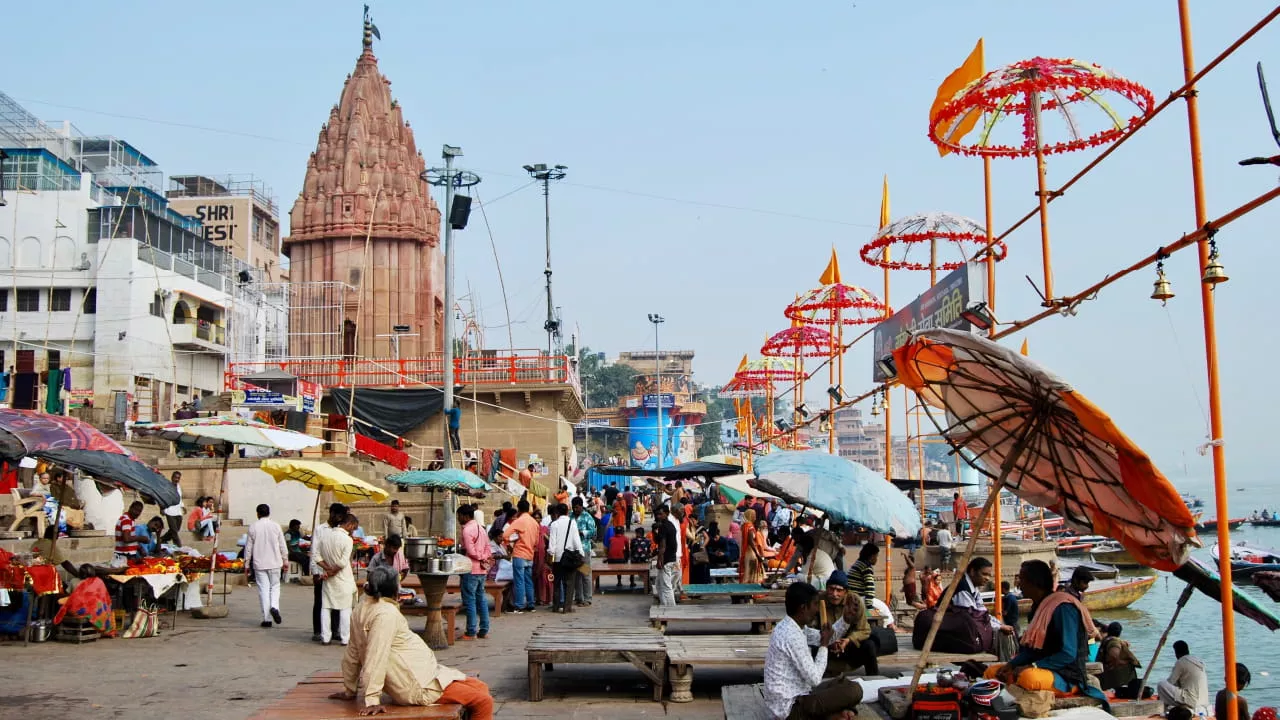
The Spiritual Geography of Varanasi / Kashi
For millions of Hindu pilgrims, neither the administrative name Varanasi nor the cultural name Banaras captures the full significance of this place. It is Kashi — the city that sits, in Hindu belief, not on the banks of the Ganga but on the trident of Lord Shiva. This concept, called “Anandavana” (the forest of bliss) in the Kashi Khanda section of the Skanda Purana, describes Kashi as a place that exists simultaneously in the material world and beyond it.
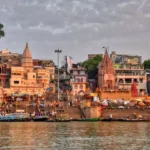
The sacred geography of Varanasi is organised around the eighty-four ghats that line the western bank of the Ganga over a roughly seven-kilometre stretch. Each ghat has its own history, its own presiding deity, and its own rituals. Pilgrims circumambulating the Panchakroshi Yatra — a 75-kilometre route around the outer boundary of Kashi — are believed to receive the merit of visiting all the major sacred sites in India at once.
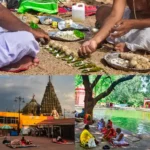
The Manikarnika Ghat, at the centre of the ghat sequence, has been burning continuously for centuries. This is the primary cremation ghat in Varanasi, and Hindus believe that dying in Kashi — or having one’s last rites performed here — grants moksha, liberation from the cycle of rebirth. This belief draws families from across India to perform Asthi Visarjan in Varanasi, immersing the ashes of their departed relatives in the Ganga so that the soul may rest. The same spiritual logic draws those who wish to perform Pind Daan in Varanasi — offering rice-ball oblations to ancestors at this most powerful of sacred sites.
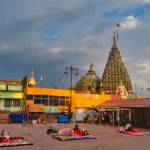
The Kashi Vishwanath Temple, rebuilt in the 18th century by the Maratha queen Ahilyabai Holkar after the original was destroyed by Aurangzeb in 1669, is the spiritual heart of the city. Lord Vishwanath — a form of Shiva — is considered the eternal guardian of Kashi. The temple’s gold-plated spires, the constant sound of bells, the press of pilgrims in the narrow lanes of the old city that surround it — all of this is the living reality of a place called by three names but unified by one unmistakable identity.
Banaras as a Cultural Identity: Food, Craft, and Music
If Kashi is the city of spiritual liberation and Varanasi is the administrative entity, then Banaras is the city of lived culture. The name Banaras carries the personality of the place — its unhurried rhythm, its love of the good life alongside its proximity to death, its irreverent humour and its absolute seriousness about tradition.
Banarasi Saree: The silk sarees woven in the lanes of the old city — particularly in the Muslim weaver communities of Madanpura and Alaipura — are internationally recognized as “Banarasi” sarees, not “Varanasi” sarees. They hold a Geographical Indication (GI) tag, awarded in 2009 by the Government of India, under the name “Banaras Brocades and Sarees.” The GI tag protects the identity of this craft and ensures that only sarees made in the Varanasi region can legally carry the Banarasi label. Brides across India choose a Banarasi saree for weddings — the name Banaras in this context is a mark of quality and heritage that seven centuries of craftsmanship have built.
Banarasi Paan: The paan (betel leaf preparation) of Banaras is legendary. Banarasi paan — with its specific variety of betel leaf, the meetha (sweet) preparation with rose petal preserve, fennel seeds, and cardamom — has been served at the same paan shops in the old city for generations. Locals end meals with it. Visitors seek it out. It is called Banarasi paan, not Varanasi paan, because the name Banaras is the one that carries cultural flavor.
The Banaras Gharana: In Hindustani classical music, a gharana is a school of practice tied to a geographic lineage. The Banaras Gharana of tabla playing, associated with masters like Pandit Kishan Maharaj, is one of the oldest and most respected in India. Similarly, the Banaras style of thumri — the semi-classical vocal form — has a distinct emotional character associated with the city’s devotional culture. These musical traditions are always called Banarasi, never Varanasi.
Banarasi language: The local Hindi dialect spoken in Varanasi is called Banarasi Hindi or Banarasi Bhojpuri. It has its own vocabulary, intonations, and a distinctly warm, slightly theatrical quality. When residents of the city introduce themselves, they almost always say they are from “Banaras” — the word carries pride and belonging that the official administrative name does not quite capture in the same way.
Geographical Location and Key Facts
Varanasi (Banaras / Kashi) sits on the western bank of the Ganga in the eastern part of Uttar Pradesh, at approximately 25.3°N, 83.0°E. It is about 320 kilometres from Lucknow, 780 kilometres from Delhi, and 670 kilometres from Kolkata. The city sits at an elevation of roughly 80 metres above sea level.
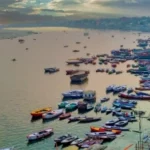
The Ganga flows from south to north along the city’s eastern boundary — an unusual north-flowing direction that is considered especially sacred. Pilgrims bathe in the river facing east toward the rising sun, with the current flowing toward them from the south. The ghats on the western bank catch the first light of sunrise across the water, making early morning on the Ganga one of the most photographed scenes in India.
The city’s population is approximately 1.2 million within the municipal limits (2011 census), with the urban agglomeration reaching closer to 1.7 million. It is one of the oldest continuously inhabited cities in the world — the archaeologist and historian Niharranjan Ray described Varanasi as a living museum of Indian civilization, and the American writer Mark Twain, who visited in 1896, wrote: “Benares is older than history, older than tradition, older even than legend, and looks twice as old as all of them put together.”
Key Places to Visit in Varanasi (Banaras)
Whether you call it Varanasi or Banaras, these are the experiences that define the city for every visitor. A complete guide to what to see in Varanasi covers far more than this list, but these are the essentials:
Dashashwamedh Ghat: The main ghat of Varanasi and the site of the Ganga Aarti ceremony held every evening at sunset. Dozens of priests perform a synchronized fire ritual with large brass lamps, accompanied by conch shells, drums, and chanting. This draws thousands of devotees and visitors every day. The ghat’s name references the ten-horse sacrifice (dasha-ashwamedha) performed by Lord Brahma here, according to the Puranas.
Kashi Vishwanath Temple: The most sacred Shiva temple in India, located in the narrow lanes of the old city near Vishwanath Gali. The present temple was built in 1780 by Ahilyabai Holkar of Indore. The main lingam, called Vishwanath or Vishveshwara (Lord of the Universe), is one of the twelve Jyotirlingas — the most sacred manifestations of Shiva. The adjacent Kashi Vishwanath Corridor, completed in 2021, has greatly improved access to the temple and opened sightlines between the temple and the Ganga.
Sarnath: Located about 10 kilometres north of the city centre, Sarnath is where the Buddha gave his first sermon (the Dhammacakkappavattana Sutta) to five disciples after attaining enlightenment at Bodh Gaya. The Dhamek Stupa, dating to the 5th century CE, marks the spot of that first teaching. Sarnath is one of the four holiest sites in Buddhism and draws pilgrims and tourists from across Asia. The Sarnath Archaeological Museum houses the Lion Capital of Ashoka, the original version of the emblem now on India’s national seal.
Manikarnika Ghat: The primary cremation ghat of Varanasi, burning continuously around the clock. Witnessing funeral pyres here is a stark and profound reminder of the city’s relationship with death — not as something hidden or feared, but as a natural and sacred part of existence. Banaras is the city where death is performed in the open, in the service of liberation.
Assi Ghat: At the southern end of the ghat sequence, Assi Ghat is where the small Assi stream meets the Ganga. It is popular for morning rituals, yoga sessions, and a more relaxed atmosphere compared to the central ghats. The morning puja at the Assi Ghat peepul tree is a traditional starting point for pilgrims beginning the Panchatirtha pilgrimage circuit within Varanasi.
Banaras Hindu University (BHU): Founded in 1916 by Pandit Madan Mohan Malaviya, BHU is one of India’s largest residential universities, spread over more than 1,300 acres. The campus contains the Vishwanath Temple (the BHU version, built in white marble), museums, and institutes covering arts, sciences, technology, and Ayurveda. A walk through the BHU campus gives a sense of the educational and cultural ambitions that the city’s intellectual tradition has always carried.
For those visiting with a devotional purpose, what Varanasi is famous for extends well beyond its visible attractions to its role as a place where major life-cycle rituals — from sacred thread ceremonies to ancestral rites — are performed with particular potency.
The Soul of Banaras Tour (2 Days)
Experience Banarasi Saree weaving, street food, Ganga Aarti, and Kashi Vishwanath darshan.
- Visit Weavers Colony (Saree making)
- Famous Blue Lassi and Chaat Tour
- Evening Boat Ride at Dashashwamedh Ghat
- Kashi Vishwanath VIP Darshan Assistance
Ancestral Rites in Varanasi / Banaras
Whatever name you use for this sacred city, it remains one of the most powerful places in Hinduism for fulfilling duties to one’s ancestors. The Kashi Khanda of the Skanda Purana explicitly states that performing Shraddha and Pind Daan at Kashi yields merit a thousandfold greater than at other locations. If your visit has a devotional purpose, these services in Varanasi are performed under proper Vedic guidance by experienced pandits:
- Pind Daan in Varanasi — Offer rice-ball oblations to your forebears at the banks of the Ganga in Banaras
- Asthi Visarjan in Varanasi — Immerse the mortal remains of the departed in the holy Ganga at Varanasi
- Shradh at Varanasi (Kashi) — Perform the full Shradh ceremony at Kashi with authentic Vedic rites
- Tarpan in Varanasi — Offer Jal and Til Tarpan to your ancestors at the sacred ghats of Banaras
Are Varanasi and Banaras the Same as “Benaras”? The Spelling Variants
You will also encounter the spelling “Benaras” in older texts, colonial-era maps, and some English-language publications. This is simply another spelling of the same name — the British administration was not entirely consistent in how it romanized Indian place names, and both “Banaras” and “Benaras” appear in official colonial records. Banaras Hindu University uses the “Banaras” spelling. The former princely state was called “Benaras State.” Both refer to the same city.
To summarize the full naming picture: Kashi = Varanasi = Banaras = Benaras = Benares. All the same city. All the same ghats, the same temples, the same river, the same people.
Varanasi Today: Ancient Roots, Modern City
Modern Varanasi is not frozen in the past, despite how it photographs. The city has functioning hospitals, a busy airport, expanding road infrastructure, and a growing technology sector. Banaras Hindu University produces thousands of graduates annually in engineering, medicine, and the arts. The Kashi Vishwanath Corridor, completed in 2021, was a major urban renewal project that transformed the area around the temple. The city’s GDP and per capita income have grown steadily over the past decade.
At the same time, the city has not traded its ancient character for modernity. The narrow lanes of the old city — the gallis that run between the river and the main road — still follow the same medieval layout. Chai stalls operate next to ancient temples. The morning boat ride on the Ganga, watching the sun rise over the eastern bank while priests perform dawn rituals at the ghats, remains unchanged in its essential character. This coexistence of the ancient and the contemporary is perhaps the most accurate way to describe what Banaras actually is: a living city that has been inhabited longer than most civilizations have existed, still going, still burning its pyres, still ringing its bells.
Varanasi and Banaras: Frequently Asked Questions
Are Varanasi and Banaras the same city?
Yes, they are exactly the same city. Varanasi is the official administrative name, restored in 1956 by the Uttar Pradesh government. Banaras is the cultural name that has been in popular use since the medieval period. Both names refer to the same city on the Ganga river in Uttar Pradesh.
What is the difference between Varanasi, Banaras, and Kashi?
All three names refer to the same city. Kashi is the oldest name, from ancient Sanskrit scriptures, meaning the city of light. Varanasi comes from the two rivers Varuna and Assi and appears in texts dating back over 2,500 years. Banaras evolved during the medieval Mughal period as a phonetic adaptation of Varanasi, and was the name the British used (spelled Benaras or Benares) during colonial rule.
Which name should I use for booking train tickets?
You can search for either name. The main railway station code is BSB (Varanasi Junction, also known as Banaras) and there is also BSBS (Banaras Station at Manduadih). Both serve the same city. For flights, always search Varanasi (airport code: VNS).
Why is it called Banaras Hindu University if the city is officially Varanasi?
Banaras Hindu University was founded in 1916, when the city was still officially known as Banaras under British administration. When the city was renamed Varanasi in 1956, the university retained its original name. The name Banaras in the university title is a historical marker, not an error.
Is Banarasi Saree different from Varanasi Saree?
No, they are the same product. The silk sarees woven in Varanasi are universally called Banarasi sarees because the name Banaras carries the cultural and craft identity of the city. They hold a Geographical Indication (GI) tag issued in 2009 under the name Banaras Brocades and Sarees.
What do locals call the city?
Most residents prefer calling it Banaras or Kashi in everyday speech. Banaras feels more connected to their cultural identity, while Kashi is used in religious and spiritual contexts. Varanasi is used for official purposes such as forms, addresses, and government correspondence.
Prayag Samagam — Kashi Pilgrimage Experts
Plan Your Varanasi / Kashi Pilgrimage
From the Ganga Aarti at Dashashwamedh Ghat to Kashi Vishwanath darshan, sunrise boat rides, and ancestral rites — our expert team creates a complete Varanasi experience tailored to your needs.
2-3 day packages · Certified guides · Pandit services included