


Welcome to New Delhi, a city that boasts arguably the most complex, diverse, and historically layered retail environment in the entire world. This is not merely a city of modern, sterile malls; it is a millennium-old trading hub where the ancient spice routes of the grand Mughal Empire physically collide with the modern luxury aspirations of a rising global superpower.
We understand that shopping in India can sometimes feel overwhelming due to the sensory intensity, the loud and aggressive street hawking, and the confusing pricing structures of traditional bazaars. To ensure your peace of mind, we act as your ultimate “Retail Concierge”. We have carefully designed a “Curation-to-Chaos” spectrum strategy for your itinerary. Depending on your energy levels each day, we will transition you seamlessly from high-energy, historically profound heritage hunts in Old Delhi to low-stress, fixed-price modern sophistication in the city’s upscale enclaves.
Below is your comprehensive, deeply detailed guide to the eight most important retail destinations in New Delhi, covering their magnificent histories, what you will discover, and the exact protocols we use to keep you safe and comfortable.
Delhi shopping places
1. Chandni Chowk (The Moonlight Square)
The Deep History and Story of the Market
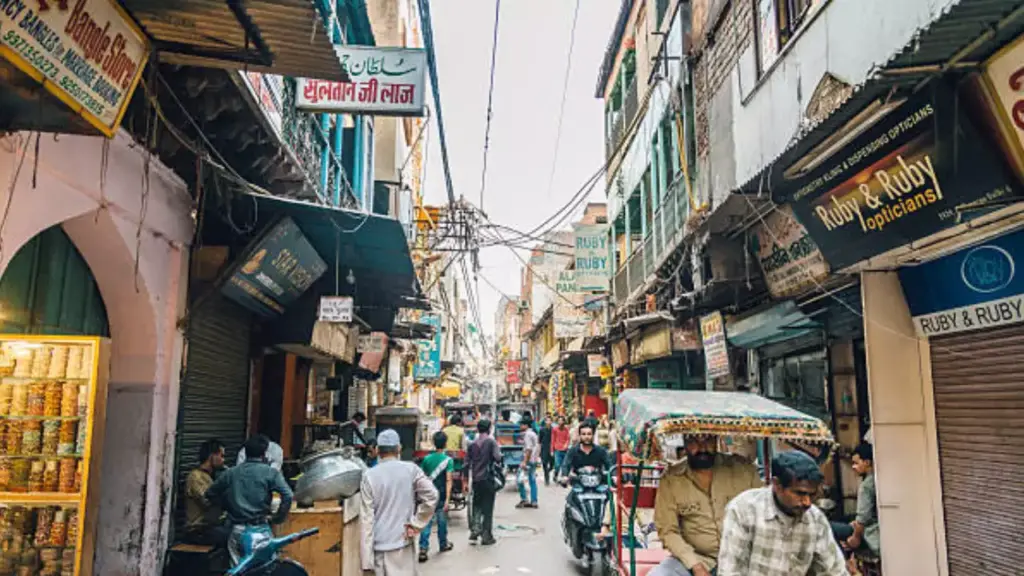
Chandni Chowk is not just a market; it is a living, breathing museum of the 17th century. Inaugurated in the year 1650, this magnificent bazaar was designed and established by Princess Jahanara Begum, who was the favorite and most powerful daughter of the great Mughal Emperor Shah Jahan. During the absolute zenith of the Mughal Empire, this was the most opulent and famous bazaar in the entire East, frequented by wealthy merchants traveling all the way from Turkey, China, and Holland to trade their exotic goods.
The name “Chandni Chowk” translates beautifully to “The Moonlight Square.” Originally, a pristine, tree-lined canal ran directly through the center of the market street. At night, the calm waters of this canal would reflect the bright moonlight, illuminating the beautiful goods on display and giving the market its legendary name. While the canal is long gone, the historic energy of the Mughal Empire remains perfectly intact.
What You Will Discover: The Specialized Sub-Bazaars
Chandni Chowk is not a single, unified market, but rather a massive, labyrinthine network of highly specialized galis (narrow lanes), each dedicated to a specific ancient craft.
- Dariba Kalan: This is the authentic, 17th-century street of the silversmiths. If you are looking for true heritage, this is the ultimate destination for authentic, handcrafted silver jewelry, genuine Kundan work, and attar (traditional, highly concentrated Indian perfumes).
- Kinari Bazaar: This lane is the colorful, glittering epicenter of Indian wedding trousseaus. It specializes in intricate zardosi (heavy gold and silver thread) borders, heavy, luxurious fabrics, and theatrical ceremonial items used in royal-style weddings.
- Khari Baoli: Operating continuously since the 17th century, this is recognized as the largest wholesale spice market in all of Asia. Walking into this lane is an absolute sensory explosion; the air is thick with the aromas of giant sacks of dried red chilies, pure saffron, unrefined salts, and exotic nuts.
Your Comfort, Timings, and Operational Details
- Timings: Generally operates from 9:30 AM to 8:00 PM.
- Weekly Off: Closed completely on Sundays.
- Our Exclusive Plan For You: Walking through these densely packed lanes is extremely exhausting. To protect your energy, we utilize pre-booked cycle-rickshaws to smoothly transport you between the specific historic lanes. Because this is a high-intensity area, your guide will constantly warn you about pickpockets and, most importantly, will manage the intense haggling aggressively on your behalf so you never have to argue over a price.
2. Connaught Place (CP) & The State Emporiums
The Deep History and Story of the Market
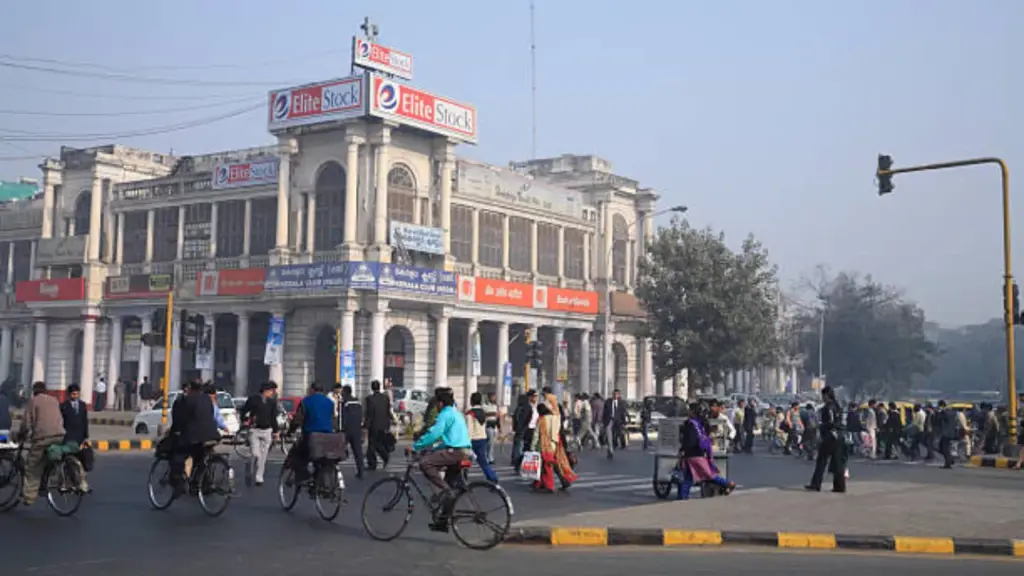
If Chandni Chowk represents the Mughal era, Connaught Place represents the grand, sweeping ambition of the British Raj. Inaugurated between 1929 and 1933, this massive market was named after the Duke of Connaught. It was meticulously designed by prominent British architects Robert Tor Russell and W.H. Nicholls to be the commercial pride of Lutyens’ Delhi.
The architecture is a stark, intentional contrast to the narrow, chaotic alleys of Old Delhi. It features a massive, double-ringed layout with wide, white-colonnaded walkways designed to mimic the Royal Crescent in Bath, England. Historically, it was built specifically to serve the elite British ruling class and the wildly wealthy Indian Maharajas who maintained palaces in New Delhi.
What You Will Discover: The Safe Heritage
While the inner circle of Connaught Place is today mostly filled with modern global brands, the true value for your journey lies on an adjacent street called Baba Kharak Singh Marg. This street is home to the official State Government Emporiums.
- Central Cottage Industries Emporium: This is the absolute best location for cautious, luxury travelers to purchase 100% authentic, fixed-price carpets, beautiful brassware, and intricate wood carvings from across India without any fear of being scammed or overcharged.
- Regional Specialties: Every single Indian state has its own dedicated building on this street. For example, you can visit the Gurjari emporium for stunning Gujarat crafts, or the Rajasthan emporium for desert textiles, all officially sourced directly from the artisans.
Your Comfort, Timings, and Operational Details
- Timings: The emporiums generally operate from 10:00 AM to 6:30 PM.
- Weekly Off: The State Emporiums are strictly closed on Sundays.
- Our Exclusive Plan For You: We use Connaught Place as the ultimate “safe” shopping environment. It is designed perfectly for clients who want to buy genuine, high-quality Indian handicrafts but absolutely despise the pressure of street haggling. Prices here are fixed by the government, ensuring a completely transparent and relaxing retail experience.
3. Janpath Market & The Tibetan Market
The Deep History and Story of the Market
Originally named Queen’s Way during the British era, this long, bustling street transformed dramatically in the 1950s following India’s independence. The most fascinating historical addition to this market occurred after the 1959 uprising in Tibet. Refugees fleeing the conflict arrived in Delhi and established the Tibetan segment of the market, seeking a safe place to sell their traditional, religious wares to survive. Today, it is one of the most vibrant, fast-paced street markets in the city.
What You Will Discover: Bohemian and Himalayan Artifacts
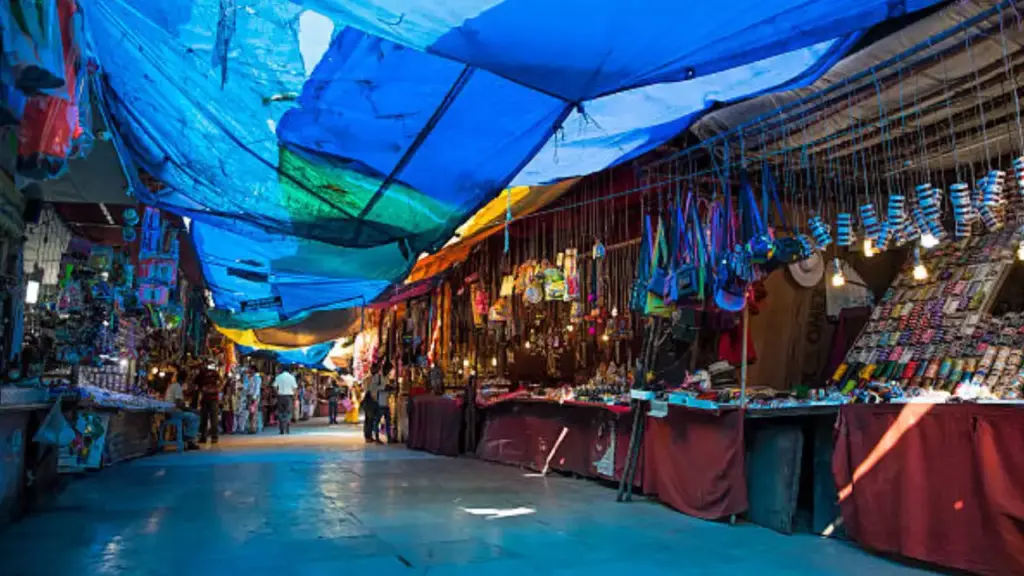
Janpath is a fantastic, colorful stretch of small stalls and street vendors divided into distinct cultural zones.
- The Tibetan Market: This section is quiet and filled with the scent of incense. You will find authentic Himalayan singing bowls, beautiful hand-painted Thangka paintings, heavy Himalayan silver jewelry, semi-precious stones, and brass religious artifacts.
- Gujarati and Rajasthani Lane: Just down the street, the aesthetic completely changes. This lane is famous for Banjara (gypsy) style brightly embroidered bags, deeply mirrored desert textiles, and flowing bohemian fashion.
Your Comfort, Timings, and Operational Details
- Timings: Operates daily from 11:00 AM to 9:00 PM.
- Weekly Off: The main market stalls are closed on Sundays.
- Our Exclusive Plan For You: Janpath is our perfect “Quick-Win” market. If your itinerary is tight and you only have 90 minutes to buy beautiful souvenirs before a flight, this is the most efficient, highly concentrated retail strip in the entire city. However, haggling here is absolutely mandatory; our guides will assist you and advise you to confidently offer 40% of the initial asking price.
4. Khan Market
The Deep History and Story of the Market
The story of Khan Market is one of the most staggering economic evolutions in modern Indian history. It was established in 1951 for a very humble purpose: to rehabilitate and house impoverished immigrants who had fled from the North-West Frontier Province (NWFP) during the traumatic 1947 Partition of India. It was named in honor of Khan Abdul Jabbar Khan, a prominent political figure who helped these refugees.
Over the decades, as the city grew around it, this modest, U-shaped refugee settlement miraculously transitioned into an enclave of extreme luxury. Today, Khan Market is routinely ranked by global real estate indices as one of the top 20 most expensive retail high streets in the entire world.
What You Will Discover: Refined Modern Sophistication
This is not a place for cheap souvenirs; it is a deeply sophisticated, green, and quiet market offering the best of modern Indian lifestyle products.
- Boutique Lifestyle: The market is home to India’s absolute finest independent bookstores, such as the legendary Bahrisons and Fakir Chand. It is also the premier location to buy premium, globally recognized Ayurvedic cosmetics from flagship stores like Kama Ayurveda and Forest Essentials, alongside high-end bespoke tailors.
- High-End Dining: The shopping lanes are beautifully interspersed with premium, air-conditioned cafes and upscale, expat-heavy restaurants serving global cuisine.
Your Comfort, Timings, and Operational Details
- Timings: Retail stores operate from 10:00 AM to 8:00 PM, while restaurants and bars stay open until 12:00 AM (Midnight).
- Weekly Off: Retail stores are closed on Sundays (though restaurants remain open).
- Our Exclusive Plan For You: This is a zero-haggling, high-security zone. Attempting to bargain or haggle in Khan Market is considered highly offensive. It is the premier destination for diplomats, expats, and our luxury clients. We highly recommend deploying this market on the final day of your tour when you are looking for refined, high-end lifestyle products rather than traditional trinkets.
5. Sarojini Nagar Market
The Deep History and Story of the Market
Much like Khan Market, Sarojini Nagar was born out of the necessity of post-partition resettlement in the 1950s, initially named Vinay Nagar. However, its evolution took a completely different path. In the late 20th century, it gained massive, nationwide fame as the central hub for export-surplus garments. It became the place where fashion trends hit the streets of India before they even reached the malls.
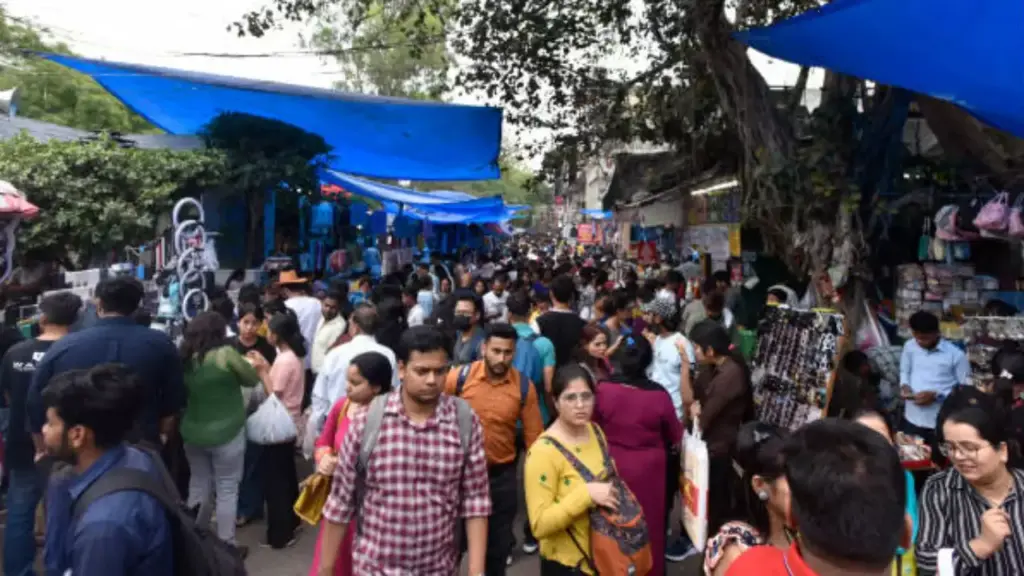
What You Will Discover: The Export Surplus Phenomenon
- Export Surplus Textiles: The core draw of this incredibly dense market is heavily discounted apparel from major international fast-fashion brands (such as Zara, H&M, and Mango). These are authentic clothes that were either rejected for minor, barely visible manufacturing defects or simply overproduced by Indian garment factories.
- Fast Fashion: The vibrant, incredibly dense lanes are packed with inexpensive fabrics, colorful scarves, and trendy daily wear.
Your Comfort, Timings, and Operational Details
- Timings: Operates from 10:00 AM to 9:00 PM.
- Weekly Off: Strictly closed on Mondays.
- Our Exclusive Plan For You: We must be completely transparent: Sarojini Nagar is not recommended for older luxury clients who desire peace and comfort. It requires enduring extreme crowding, significant heat, and highly aggressive bargaining. However, it is a thrilling, highly requested experience for younger demographics, student groups, and fashion-forward travelers. If you choose to visit, our guides will remain highly vigilant against pickpocketing, which is common in such dense crowds.
6. Dilli Haat (INA)
The Deep History and Story of the Market
Inaugurated in 1994, Dilli Haat is a brilliant and highly successful Government Tourism Initiative, established jointly by Delhi Tourism (DTTDC) and the Ministry of Textiles. The government realized that poor rural artisans were being exploited by wealthy city middlemen. The objective of Dilli Haat was to eliminate the middleman entirely. They built a secure, beautiful, rural-style village right in the middle of the city, providing a platform for authentic, government-registered artisans from across all 29 states of India to sell their crafts directly to urban consumers and foreign travelers.
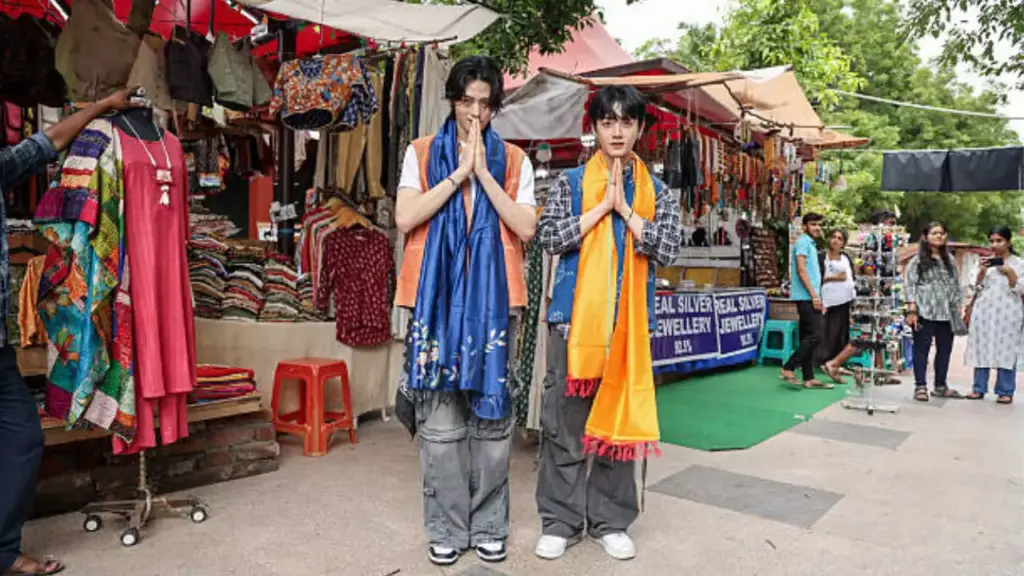
What You Will Discover: The Entire Country in One Village
- Pan-Indian Handicrafts: The layout is spectacular. In just a few steps, you can walk from a stall selling incredibly soft Kashmiri Pashmina shawls directly to a stall selling vibrant Tamil Nadu mirror-work, and then to one offering heavy Kerala rosewood carvings.
- The Rotation System: To ensure the market’s inventory is constantly fresh and authentic, the artisans are strictly rotated every 15 days. The artisan you meet today has traveled from their village and will return home shortly, making every purchase a direct support of rural Indian families.
Your Comfort, Timings, and Operational Details
- Timings: Open every single day from 11:00 AM to 9:00 PM.
- Entry Fee: INR 100 for Foreign Nationals, INR 30 for Indian Nationals.
- Our Exclusive Plan For You: Because Dilli Haat requires a nominal entry ticket, it completely filters out casual loiterers, beggars, and street touts. The grounds are paved, wheelchair accessible, and extremely safe. This is our ultimate fallback option; if you ever feel overwhelmed by the chaotic streets of Delhi but still want to deeply engage with authentic Indian artisans, this is the perfect, peaceful sanctuary.
7. Sunder Nagar Market
The Deep History and Story of the Market
Developed in the 1950s, Sunder Nagar was not built for refugees; it was built as a highly elite residential enclave for foreign diplomats, politicians, and wealthy industrialists, strategically located near the ancient Old Fort. Because the residents were highly cultured, wealthy individuals, the local market evolved specifically to cater to the refined tastes of the diplomatic community, bypassing daily goods to focus entirely on precious antiquities and fine arts.
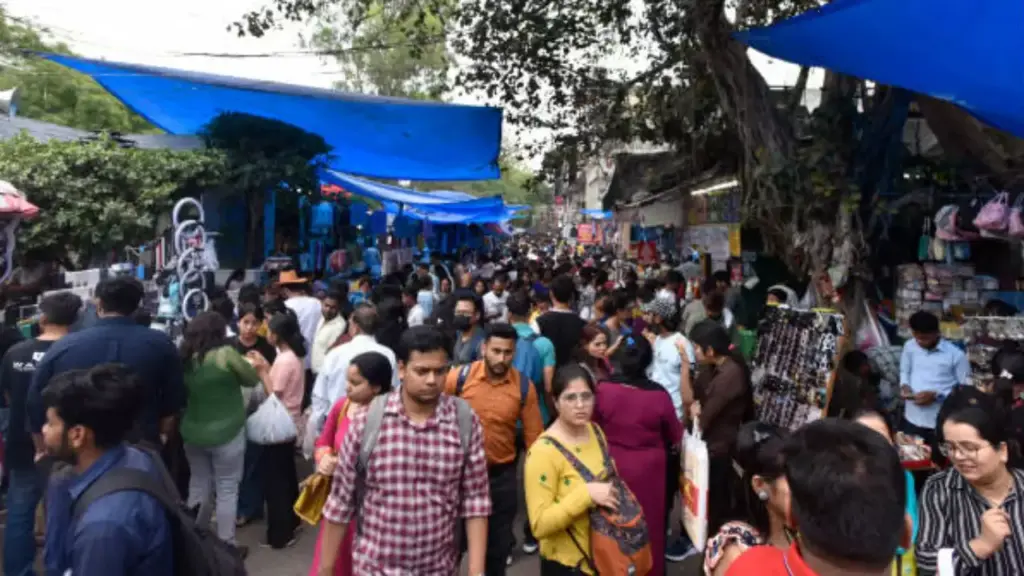
What You Will Discover: Investment-Grade Heritage
- High-End Antiques: This quiet square is universally recognized as the premier destination in India for verified, investment-grade antique furniture, ancient Tibetan artifacts, vintage brass and copperware, and true museum-quality textiles.
- Bespoke Jewelry: The market features several highly secretive, multi-generational jewelers dealing only in massive precious stones and heavy, royal-style heirloom pieces.
Your Comfort, Timings, and Operational Details
- Timings: Generally open from 10:00 AM to 7:00 PM.
- Weekly Off: Closed on Sundays.
- Our Exclusive Plan For You: This is a remarkably quiet, highly exclusive market with almost no casual foot traffic. It is designed explicitly for serious collectors and high-net-worth individuals. Because you may purchase large, heavy items, our agency ensures your guide acts as a specialized “Fixer,” understanding Indian antiquities and facilitating complex international shipping, insurance, and customs declarations right on the spot.
8. Shahpur Jat
The Deep History and Story of the Market
Shahpur Jat offers the most fascinating architectural juxtaposition in Delhi. It was originally a 14th-century rural village built directly upon the crumbling stone ruins of the ancient Siri Fort. For centuries, it remained a quiet village. However, in the 2010s, soaring commercial rents in other parts of Delhi pushed young, independent fashion designers to seek cheaper spaces. They set up their high-end boutiques inside the narrow, winding, historic village lanes, leading to rapid, explosive gentrification.
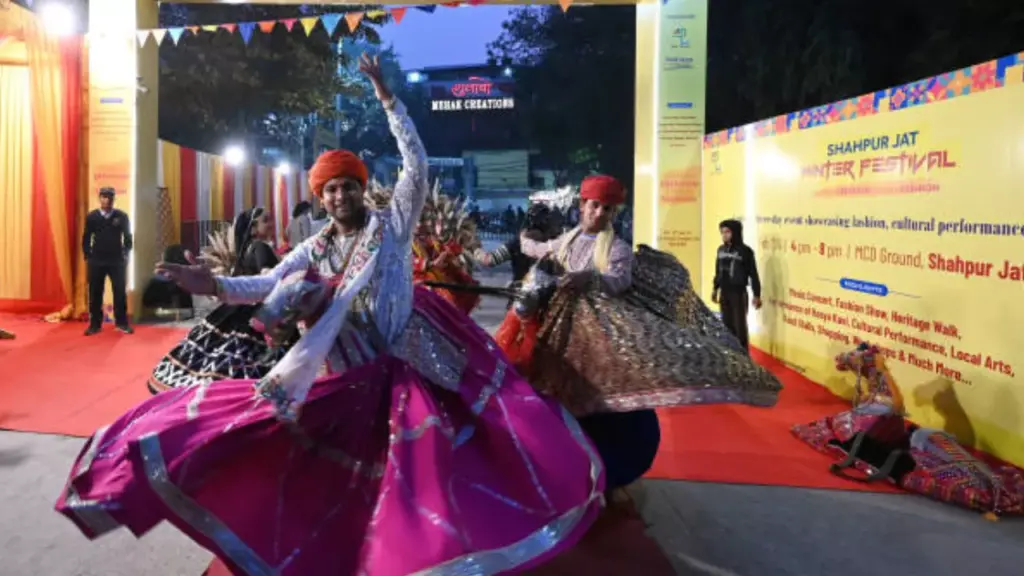
What You Will Discover: Bohemian and Bridal Haute Couture
- Indie Bridal & Bespoke Fashion: This village is now the ultimate, undisputed hub for modern, boutique Indian bridal wear. It is filled with bespoke tailors and designers creating contemporary fusion clothing that blends ancient embroidery with modern silhouettes.
- Kitsch & Home Decor: Interspersed with the fashion boutiques are quirky, independent stores selling vibrant Indian pop-art, vintage Bollywood posters, and artisanal home goods.
Your Comfort, Timings, and Operational Details
- Timings: Generally operates from 11:00 AM to 7:00 PM.
- Weekly Off: Most boutiques are closed on Sundays.
- Our Exclusive Plan For You: This market has a deeply maze-like layout. Large luxury coaches cannot physically enter the village. Therefore, you must be comfortable walking through narrow, sometimes dusty, ancient alleys that will suddenly open into ultra-modern, pristine, air-conditioned designer boutiques. It is an adventurous shopping experience that appeals massively to millennials, expats, and high-end fashion buyers.
Our Strict Corporate Protection Protocols For You
To ensure your retail experience is flawless and completely secure, our agency mandates the following protocols:
- The “Fixer” Role (Shipping & Customs): We know that as a luxury client, you will not buy heavy carpets, antiques, or large artwork if you have to carry them. Our agency has a pre-vetted, bonded courier service on retainer. Your guide acts as your personal “Fixer,” seamlessly handling all customs paperwork, heavy insurance, and doorstep-delivery logistics on the spot so you can shop with empty hands and total peace of mind.
- The Haggling Education Briefing: Haggling rules change drastically depending on the neighborhood. Before you step off the coach, your guide will brief you: In chaotic places like Janpath or Chandni Chowk, haggling is completely expected, and you should offer 40-50% of the asking price. However, in Dilli Haat, the State Emporiums, or upscale Khan Market, prices are strictly fixed, and attempting to haggle is considered highly offensive.
- The Safety & Hydration Buffer: Shopping in the Delhi heat is dehydrating and exhausting. We enforce a strict protocol: for every 2 hours of market walking, you will receive a mandatory 30-minute retreat to an air-conditioned cafe or your VIP luxury coach for cold water, sanitation breaks, and sensory decompression.
Comparative Operational Analytics for Delhi Shopping
| Market | Core Narrative Focus | Primary Material / Specialty | B2B Strategy / Execution Protocol | Optimal Arrival Slots | Security / Entry Fees |
| Chandni Chowk | 17th Century Imperial Mughal Bazaar | Authentic Silver, Zardosi, Wholesale Spices | Pre-Booked Rickshaws & Aggressive Guide Haggling | Mid-Morning (Before peak crowds) | Free / High Pickpocket Risk |
| Connaught Place (Emporiums) | British Raj Era & Authentic State Crafts | Fixed-Price Carpets, Brassware, Wood Carvings | The Ultimate “Safe” Shopping Environment | Late Morning / Afternoon | Free / Zero Scam Risk |
| Janpath Market | Post-Independence & Tibetan Exile | Singing Bowls, Thangka Art, Bohemian Bags | The 90-Minute “Quick-Win” Dash | Afternoon | Free / Mandatory Haggling |
| Khan Market | Post-Partition Refugee to Ultra-Luxury | Premium Cosmetics, Tailors, Independent Books | Zero-Haggling, Final-Day Luxury Deployment | Late Afternoon / Evening | Free / High Security Zone |
| Sarojini Nagar | Post-Partition & Fast Fashion Hub | Export Surplus Apparel & Discounted Fabrics | Youth Demographic Focus / Guide Vigilance | Early Morning (Weekdays) | Free / Extreme Crowding |
| Dilli Haat (INA) | Government Artisan Protection Initiative | Pan-Indian Handicrafts on a 15-Day Rotation | The Safe “Fallback” Village Platform | Afternoon / Evening | INR 100 (Intl) / INR 30 (Domestic) |
| Sunder Nagar | Elite 1950s Diplomatic Enclave | Verified Antiques & Bespoke Heirloom Jewelry | “Fixer” Managed Shipping & Customs | Mid-Day / Afternoon | Free / Exclusive, No Foot Traffic |
| Shahpur Jat | 14th Century Ruins turned Designer Hub | Indie Bridal Fashion & Quirky Home Decor | Walking Tour for Fashion-Forward Clients | Afternoon | Free / Maze-Like Alleys |