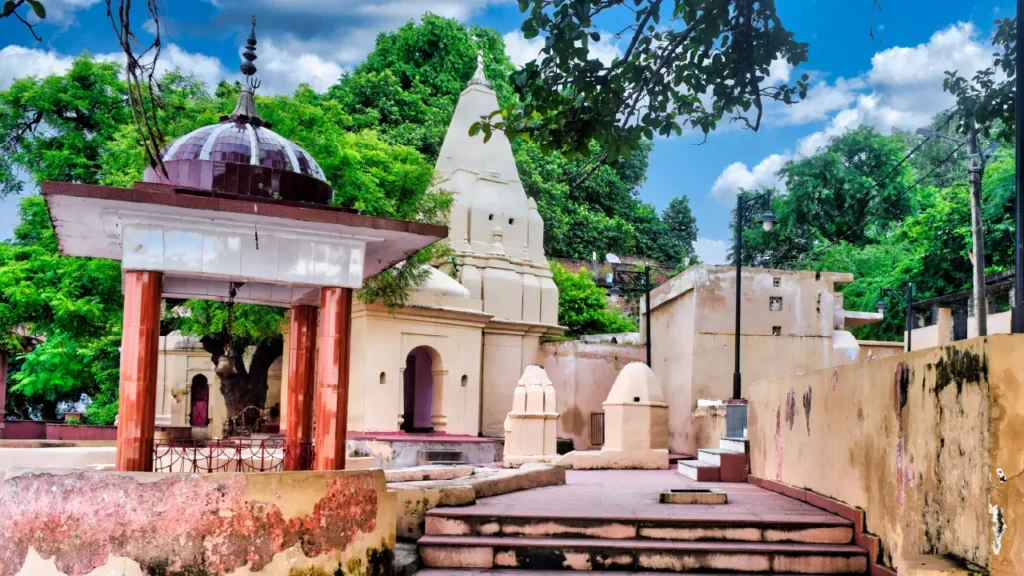
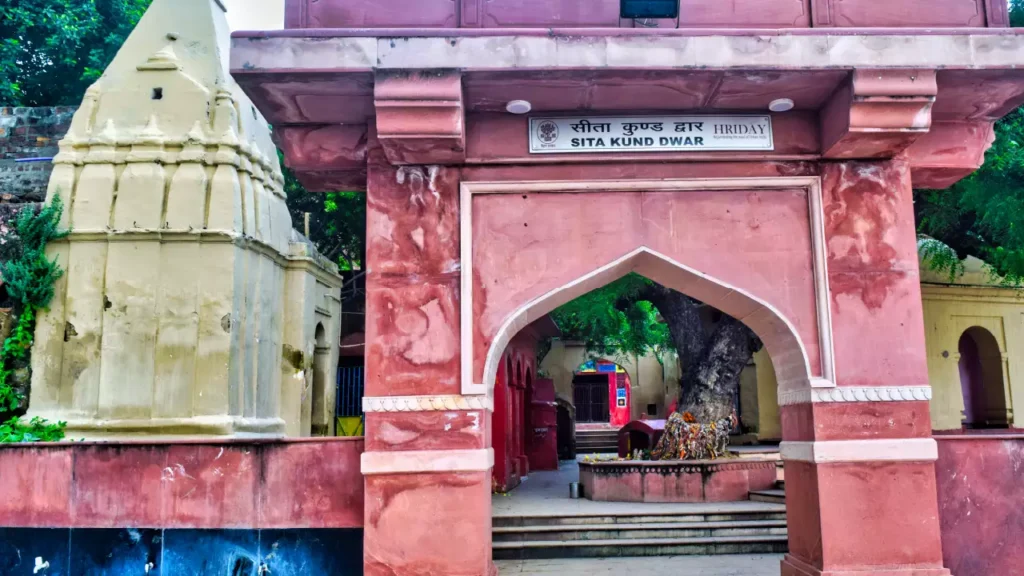
Sita Kund is a small but deeply significant sacred site in Gaya, Bihar — a pond and associated temple located on the east bank of the Falgu River, directly across from the Vishnupad Temple. The site’s sanctity rests entirely on its association with Sita, the wife of Lord Rama, and the events that took place here during the Ramayana period when Rama, Sita, and Lakshmana came to Gaya to perform Pind Daan for Rama’s deceased father, King Dasharatha.
The Story of Sita at Gaya
The narrative that makes Sita Kund sacred is one of the most emotionally resonant episodes in the Ramayana’s account of Gaya. Rama had come to the city specifically to perform Shraddha (ancestral rites) for his father. While gathering ingredients for the ritual — sesame seeds, water, and other materials — Rama left Sita alone at the riverbank. In his absence, the soul of King Dasharatha appeared and, unwilling to wait, asked Sita to perform the Pind Daan herself.
Sita performed the rites using what she had available — sand from the Falgu riverbank, a cow, a Tulsi plant, and the Falgu River itself as witnesses. When Rama returned and expressed doubt about whether this informal offering could have been efficacious, the four witnesses testified to what they had witnessed. The Falgu River, however, had been cursed by Sita for initially denying what it had seen, which is why the Falgu is said to flow underground at Gaya rather than on the surface — a geological reality that pilgrims observe today, where the Falgu appears as a wide sandy riverbed with water flowing visibly only at certain points.
The place where Sita performed this act — offering water, touching the sandy soil, and conducting the rites alone — is identified with the Sita Kund site.
Sita Kund — The Sacred Pool
According to a separate tradition preserved at the site, the pond called Sita Kund marks the place where Sita bathed during the fourteen years of forest exile that she and Rama observed after being banished from Ayodhya. During these years, the couple passed through Bihar on their way south, and the banks of the Falgu are associated with their presence. The name “Kund” means a sacred pool or tank, and the body of water here is held to retain the sanctity imparted by Sita’s presence.
Pilgrims performing Pind Daan at Gaya often include a visit to Sita Kund as part of their ritual itinerary, particularly women in the family who feel a devotional connection to Sita as an ideal of dedication, sacrifice, and spiritual fortitude. Bathing in or taking water from Sita Kund before the main Pind Daan ceremony is considered auspicious by many families, particularly those from Uttar Pradesh and Bihar where the Sita narrative is most deeply embedded in local religious practice.
The Temple at Sita Kund
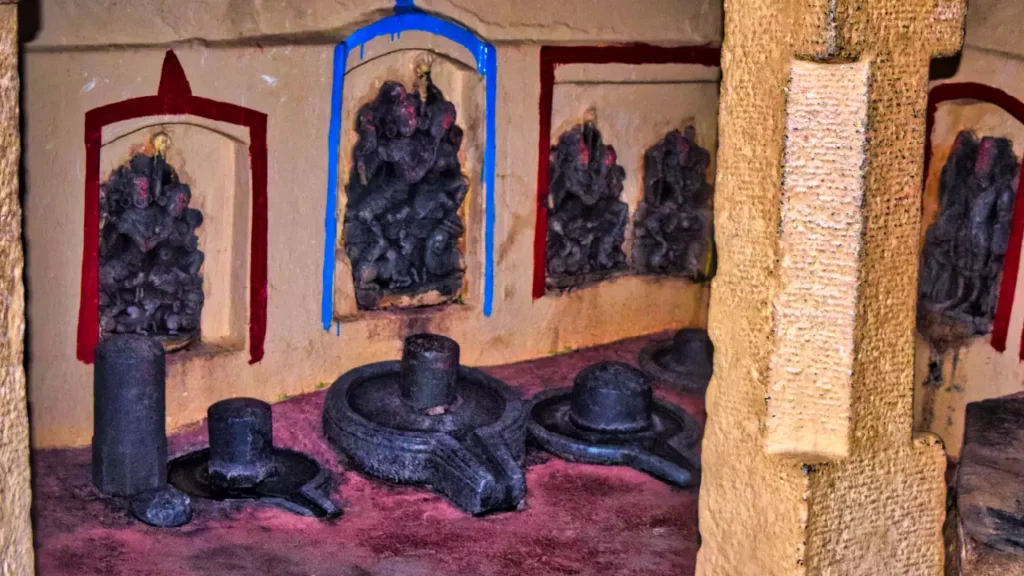
The small temple adjacent to the pond houses a deity of Sita, often flanked by images of Rama and Lakshmana. The structure itself is modest — a stone sanctum with a simple shikhara and a small mandap where pilgrims can sit for a brief prayer. Despite its size, the temple receives a steady stream of visitors throughout the day, particularly those who have completed their main Pind Daan at Vishnupad and are making a circuit of the secondary sacred sites along the Falgu River.
The priests at Sita Kund offer short puja services for those who want to perform a formal ritual at the site. A standard puja involves offerings of flowers, fruit, kumkum, and water drawn from the Kund itself. During Pitrupaksha, when the entire city of Gaya is devoted to ancestral rites, Sita Kund becomes considerably more active — particularly on the Matru Navami tithi, which is specifically associated with rites for departed mothers, and on Sarva Pitru Amavasya, the final day of Pitrupaksha.
Location Within Gaya’s Ritual Circuit
Sita Kund sits within the dense pilgrimage zone around the Vishnupad Temple. From the main Vishnupad complex, one crosses the Falgu River by a pedestrian bridge or by wading during the dry season, and the Sita Kund temple is visible from the far bank. The crossing itself has ritual significance — the act of crossing the Falgu is part of the symbolic journey that pilgrims undergo when performing Pind Daan at Gaya.
Most pandits who lead families through the Gaya Pind Daan circuit include Sita Kund in the itinerary, typically after the main offering at Vishnupad Ghat and before the afternoon session at Phalguni Ghat. The full circuit — Vishnupad, Sita Kund, Akshayvat, Pretshila Hill, and Mangal Gauri — can be completed in a single day with an early start.
Pitrupaksha Connection
Gaya’s significance during Pitrupaksha is unmatched anywhere in India. The scriptures describe it as the place where Yama, the god of death, granted Gaya the boon that Pind Daan performed here would liberate souls from the cycle of rebirth. Sita’s performance of Pind Daan at this very location is scriptural confirmation of both the rite’s efficacy and the site’s sanctity. Pilgrims who come to Gaya during Pitrupaksha specifically to trace Sita’s footsteps — performing Pind Daan where she performed it — participate in a tradition that links their own act of devotion to one of Hinduism’s most beloved narrative moments.
Visiting Information
- Location: East bank of the Falgu River, directly across from Vishnupad Temple, Gaya
- Access: On foot from Vishnupad Temple via the river crossing; rickshaws available from Gaya Junction (approximately 5 km)
- Timings: Accessible during daylight hours; temple open from approximately 6:00 AM to 8:00 PM
- Entry: Free; puja services offered by on-site priests
- Best time: Early morning for the most peaceful atmosphere; Pitrupaksha season for the full ritual context
For help planning a complete Gaya pilgrimage that includes Sita Kund, Vishnupad Temple, and all related ancestral rite sites, our Gaya Pind Daan tour package provides pandit support and structured logistics. See also our Gaya travel guide for a complete map and practical information about the city’s pilgrimage circuit.