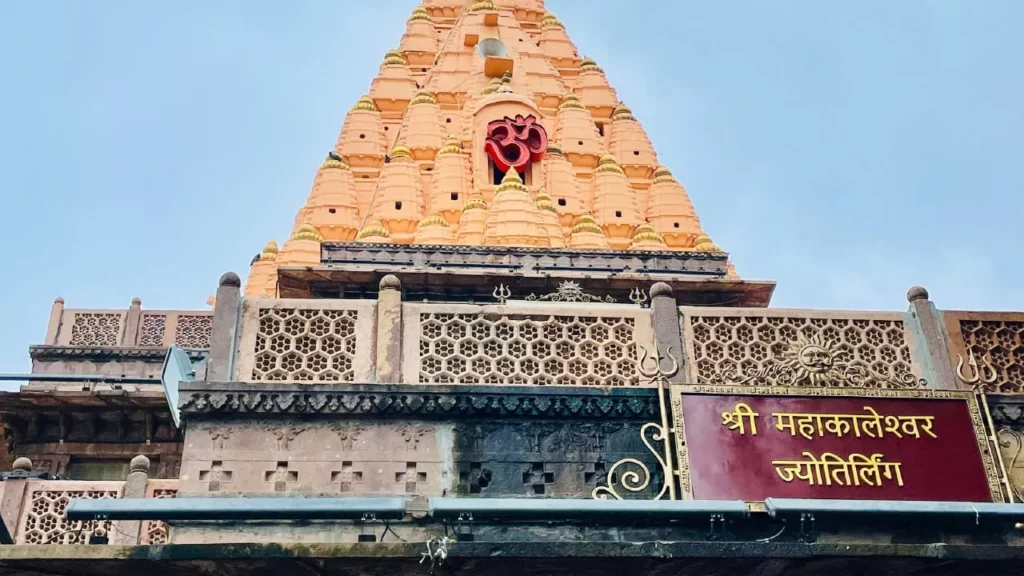
The Jyotirlinga of Mahakal — Lord of Time and Death
Mahakaleshwar Temple in Ujjain is one of India’s twelve Jyotirlingas — the self-luminous, self-manifested forms of Lord Shiva — and is widely regarded as among the most powerful. The name tells the story: “Maha” means great, “Kala” means time and death, and “Ishwara” means Lord. Mahakal is thus the Great Lord who is beyond time itself, the deity who rules over death and dissolution. For devout Shaivites, the Mahakaleshwar Jyotirlinga is not merely a sacred statue but an actual divine emanation, drawing moksha-seeking pilgrims from across India every single day.
What makes this Jyotirlinga uniquely distinguished among the twelve is that the Mahakaleshwar linga is Dakshina Mukhi — its divine energy faces south. In Shaiva tradition, the south direction is associated with Yama, the god of death, and with the path of ancestors. A Dakshina Mukhi Jyotirlinga is extraordinarily rare, and this orientation is said to make the deity especially powerful for liberation from the cycle of death and rebirth.
History and Mythological Background
The Mahakaleshwar Temple’s origins are described in the Skanda Purana, Shiva Purana, and Meghaduta of Kalidasa. The legend most commonly recounted tells of a demon king named Dushana who terrorised a devotee named Vriksha along with the city of Ujjain. When Dushana’s armies closed in, Mahakal rose from the earth in a terrible form and destroyed the demon forces. The lingam that marks the spot where he rose is the Jyotirlinga worshipped today.
Historically, the temple was destroyed by the Delhi Sultanate general Iltutmish in 1234 CE. The current structure was largely rebuilt during the Maratha period under Ranoji Scindia in the 18th century, incorporating architectural elements of the Bhumija, Chalukya, and Maratha styles. In 2023–24, the Mahakaleshwar Corridor — a large-scale urban and spiritual development project — was completed, transforming the area around the temple with new ghats, promenades, and improved pilgrimage infrastructure.
The Bhasma Aarti — Unique in All of India
The most famous ritual at Mahakaleshwar is the Bhasma Aarti, performed at 4:00 AM every morning. It is the only Jyotirlinga where Shiva is worshipped with bhasma — sacred ash. In earlier times, the ash used was said to come from the cremation ghats of Ujjain, but it is now derived from ritual materials. During the aarti, priests apply the ash to the Mahakaleshwar linga in elaborate patterns while chanting the Vedic hymns. The shivalinga is decorated with fresh flowers and bilva leaves, and the linga’s face is revealed to a packed sanctum of hundreds of devotees.
Attending the Bhasma Aarti requires advance booking through the temple trust website. Slots are limited and fill up quickly, especially during Mahashivaratri and the Shravan months. A separate viewing area is available for those who cannot enter the sanctum during the aarti.
Temple Architecture and Five-Level Complex
The Mahakaleshwar Temple is built across five levels, with the Jyotirlinga sanctum located on the lowest level, underground. This underground placement is traditionally associated with Mahakal’s identity as a deity of the earth’s deep energies. Above the main sanctum, successive floors house the Omkareshwar linga and the Nagachandreshwara shrine (the Nagachandreshwara idol, depicting Shiva and Parvati seated on a seven-hooded serpent, is visible to the public only on the day of Naga Panchami each year).
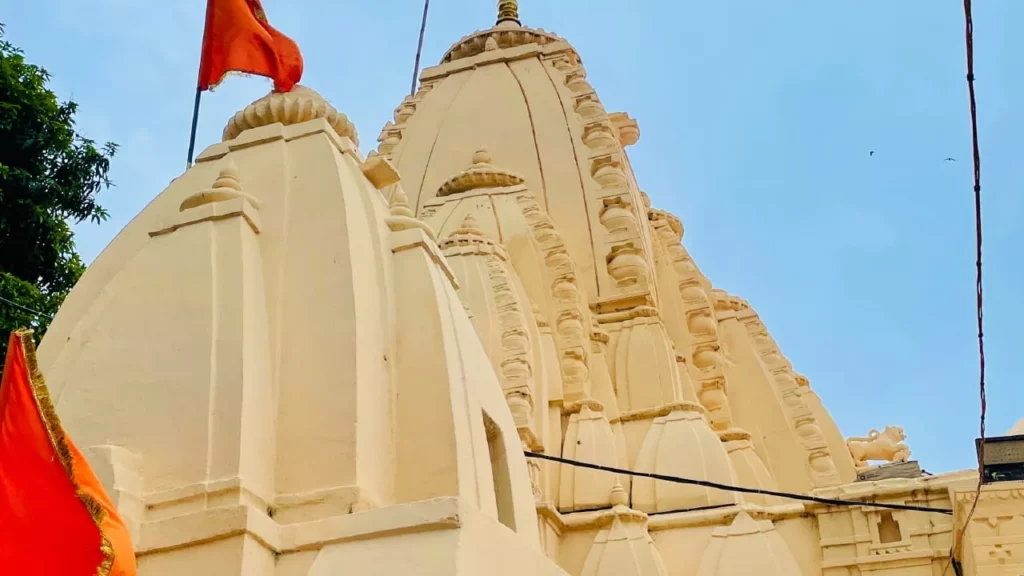
The temple complex also includes shrines to Ganesha, Kartikeya, and Parvati arranged around the main courtyard. The architecture blends Maratha, Bhumija, and Chalukya traditions, with the spire decorated with sculptural panels. A large Nandi bull sits in the mandapa facing the sanctum. The surrounding courtyard has been significantly expanded and beautified as part of the Mahakaleshwar Corridor project.
Darshan Timings
- Bhasma Aarti: 4:00 AM (advance booking required)
- Naivedya Aarti: 7:30 AM
- Madhyanha Aarti: 10:30 AM
- Sandhya Aarti: 5:00 PM
- Shayan Aarti: 10:30 PM
- General darshan: 6:00 AM – 10:30 PM with a midday break
Kumbh Mela at Ujjain — Simhastha
Ujjain hosts the Kumbh Mela (locally called Simhastha) every 12 years when Jupiter enters Simha (Leo) and the Sun is in Aries. The Simhastha Kumbh draws tens of millions of pilgrims, making it one of the largest religious gatherings on earth. The Shipra River, flowing through Ujjain, is the sacred bathing site. Snan on the Kumbh dates at Ujjain is believed to grant the same liberation that bathing at the Prayag Kumbh does. The last Simhastha was held in 2016; the next is due in 2028.
How to Reach Mahakaleshwar Temple, Ujjain
- By air: Devi Ahilya Bai Holkar Airport, Indore, is 56 km away
- By train: Ujjain Junction is 2 km from the temple; well-connected to Mumbai, Delhi, Bhopal, and Indore
- By road: Ujjain is 56 km from Indore, 190 km from Bhopal
Nearby Sacred Sites
Ujjain is one of the seven sacred cities (Sapta Mokshapuri) of Hinduism, and the temple district is dense with important shrines. The Harsiddhi Temple — one of 51 Shakti Peethas — is a short walk away. The Gadkalika Temple, associated with the poet Kalidasa, is nearby. The Ram Ghat on the Shipra River is the main bathing ghat for pilgrims. Mangalnath Temple, believed to be the birthplace of Mars (Mangal Graha), is 6 km from the city centre and is particularly significant for those seeking astrological remedies.
Plan your Ujjain pilgrimage with our Ujjain travel guide. Book a comprehensive yatra on our Ujjain 4N/5D Mahakal tour. Further reading: Top 10 temples in India.