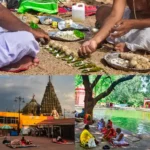

Once you complete the 12th ocean bath, you CANNOT change into dry clothes. The entire Saikatha Linga Pooja must be performed while sitting on the sands in your wet attire (Saree/Dhoti) to symbolize total surrender to the Divine.
India’s spiritual landscape is dotted with ancient, unique rituals, and among the most profound is the Saikatha Linga Pooja. Performed at the serene and spiritually charged shores of Dhanushkodi, the Saikatha Linga Pooja is the cornerstone of the great Hindu pilgrimage connecting the South to the North. Here is a complete, detailed guide on why the Saikatha Linga Pooja is performed, the strict rules it entails, and the immense spiritual power it holds.
Where is it Done and Why?
This highly revered Saikatha Linga Pooja takes place at Dhanushkodi, a coastal strip near Rameswaram, where the Bay of Bengal (Mahodadhi) meets the Indian Ocean (Ratnakara). According to epic legends, this is the exact location where Lord Rama constructed the Ram Setu bridge to Lanka. The Saikatha Linga Pooja is performed as a tribute to Lord Shiva and Lord Vishnu, serving as a critical ritualistic bridge between the Rameswaram Yatra and the Kashi (Varanasi) Yatra. Without completing the Saikatha Linga Pooja, the spiritual journey to Kashi is traditionally considered incomplete.
Who Should Perform It and With Whom?
The Saikatha Linga Pooja is predominantly performed by married couples together. In Hindu tradition, a husband and wife sitting together for the Saikatha Linga Pooja symbolize the divine union of masculine and feminine cosmic energies (Shiva and Shakti). However, widows, widowers, or individuals seeking to perform specific rites for their departed ancestors (Pitru Dosha Nivaran) can also perform the Saikatha Linga Pooja under the strict guidance of a learned priest.
What Should be Worn & The 12 Ocean Baths
Absolute purity is the foundation of this ceremony. Devotees are required to wear traditional Indian, unstitched cotton attire—a dhoti for men and a saree for women.
Before the Saikatha Linga Pooja begins, the couple must wade into the ocean and take exactly 12 consecutive dips (baths) in the saltwater. These 12 baths represent the cleansing of sins accumulated across the 12 zodiac signs and multiple lifetimes. Once the 12th bath is complete, the couple must not change into dry clothes. The entire Saikatha Linga Pooja is performed sitting on the sandy beach in these deeply soaked, wet clothes, symbolizing complete detachment from worldly comforts and profound submission to the divine.
The Three Sand Lingams (Trilinga)
Understanding the significance of the three Lingams you will create.
- Sethu Madhava: Represents the Ram Setu. After worship, the couple dissolves this Lingam back into the sea themselves.
- Bindu Madhava: Represents the cosmic drop. This is handed to the Priest, who ceremoniously dissolves it into the ocean.
- Veni Madhava (The Vital Link): This is NOT dissolved. You must pack this sand in a cloth and carry it to Prayagraj (Triveni Sangam) for immersion.
The Core Procedure: Creating the Three Lingams
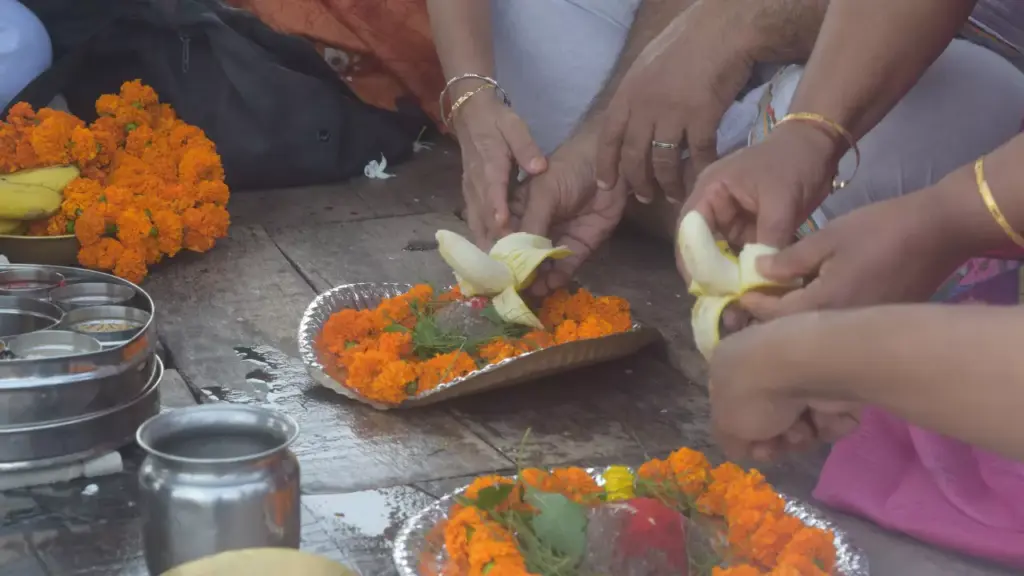
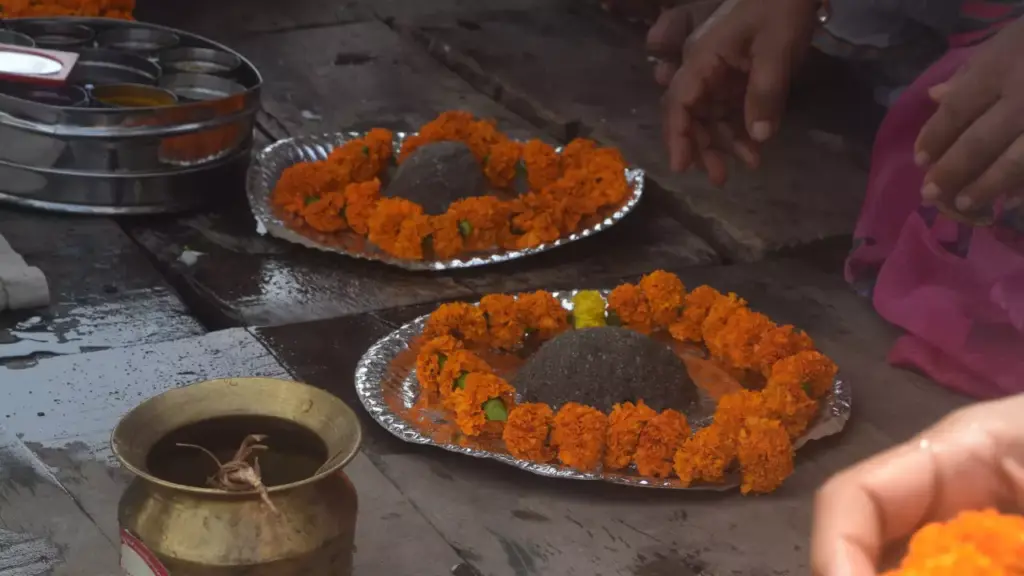
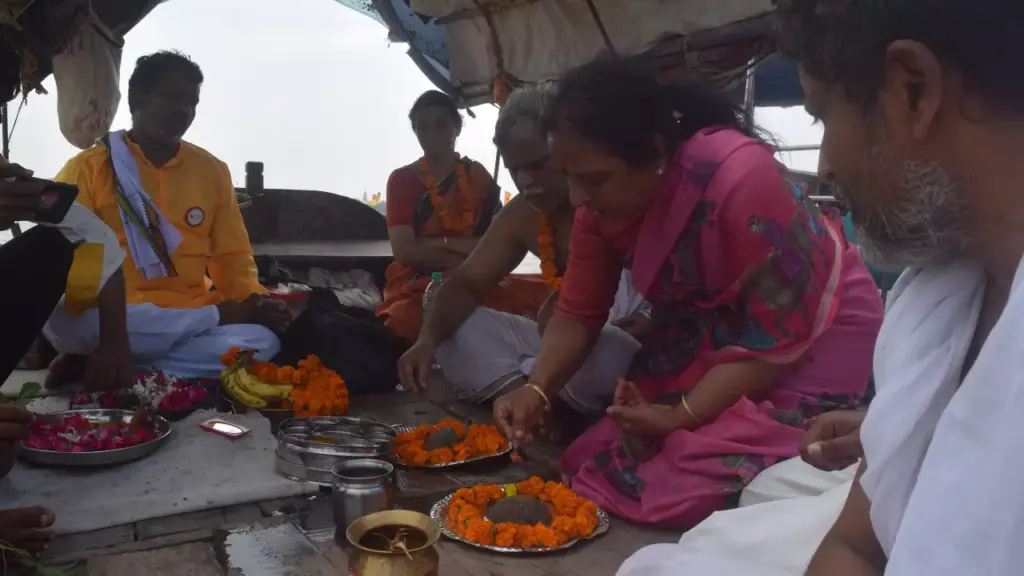
While sitting in their wet clothes, the couple gathers the wet sea sand from the ocean bed. Guided by the priest’s chanting, they handcraft three distinct Lingams from the sand. This is the heart of the Saikatha Linga Pooja:
Sethu Madhava: The first Lingam represents the sanctity of the Ram Setu. After offering flowers, prayers, and completing this step, this sand Lingam is respectfully dissolved back into the sea by the couple themselves.
Bindu Madhava: The second Lingam represents the cosmic divine drop. Following the sacred chants, this Lingam is handed over to the presiding priest, who takes it and ceremoniously dissolves it into the ocean waters.
Veni Madhava: The third and most crucial Lingam connects South India to North India. It is not dissolved. Instead, the couple carefully preserves the Veni Madhava Lingam, packing the wet sand securely into the very wet clothes they wore during the pooja. This sand must be carried all the way to Prayagraj (Allahabad) to be immersed at the Triveni Sangam (the confluence of the Ganga, Yamuna, and Saraswati rivers).
What Should be Eaten?
Fasting and strict dietary discipline are mandatory. On the day of the Saikatha Linga Pooja, the couple must maintain a fast or consume a strictly pure, Satvik diet. This means no onions, garlic, non-vegetarian food, or heavy spices. Usually, devotees consume only simple temple prasadam, milk, or fresh fruits until the entire ritual at the beach is concluded.
What are the Benefits?
Completing the Saikatha Linga Pooja yields magnificent spiritual merits. It is highly believed to wash away generational curses, bring peace to wandering ancestral souls, and grant unparalleled harmony and longevity to the couple’s marriage. Most importantly, carrying the Veni Madhava sand to Prayag bridges the spiritual energies of India’s oceans and sacred rivers, guaranteeing the ultimate goal of human life: Moksha (liberation from the cycle of rebirth).
Standing in wet clothes at the edge of the nation, holding a handful of sacred sand, devotees experience a powerful spiritual awakening that stays with them for a lifetime.
Saikatha Linga Pooja Essentials
Answers to common questions about this sacred ritual.
Who can perform this Pooja?
It is primarily for married couples (symbolizing Shiva-Shakti). However, widows, widowers, and children can also perform it for Pitru Dosha Nivaran (ancestral peace) under a priest’s guidance.
What is the dress code?
Traditional unstitched cotton is mandatory. Men must wear a Dhoti (Vesti) and Angavastram. Women must wear a Saree. Western clothes like jeans or shorts are strictly prohibited.
Why do we take exactly 12 baths?
The 12 dips represent the cleansing of sins accumulated across the 12 Zodiac signs (Rashis) and previous lifetimes.
Do we need to bring our own Priest?
Local Vedic priests are available at Dhanushkodi. If you book a package with Prayag Samagam, we arrange the priest and all Pooja Samagri (materials) for you.