


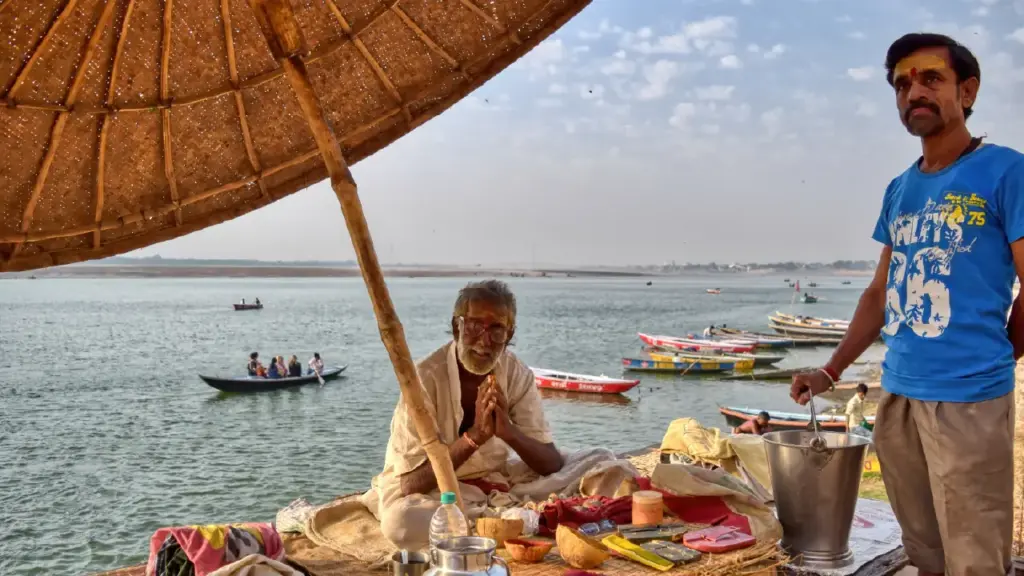
Varanasi doesn’t need an introduction. If you’re reading this, chances are you’ve already felt the pull — maybe from a family elder’s stories, a documentary, or that one photo of the Ganga Aarti that stopped your scrolling.
At Prayag Samagam, we’ve been organising Varanasi tours for years. Our team has walked these ghats countless times, coordinated hundreds of darshans, and helped everyone from first-time domestic travellers to NRIs returning after decades find their footing in this ancient city.
Here’s what we’ve learned: 3 days in Varanasi is the ideal duration. Long enough to experience everything meaningful. Short enough that the intensity doesn’t wear you down.
Let us walk you through exactly how to spend those three days.
Why 3 Days Works Best
Varanasi is not a city you rush through. The winding lanes, the temple queues, the sheer sensory overload — it demands patience. Day-trippers leave feeling like they missed something. Week-long visitors often admit they were emotionally drained by day four.
Three days gives you the best of both worlds. You witness the Ganga Aarti without hurrying. You have a full day for temple darshan and Sarnath. And there’s breathing room — for chai breaks, for wandering, for simply sitting by the river and absorbing it all.
Your 3-Day Varanasi Itinerary
Day 1: Arrival & Evening Ganga Aarti
Most travellers arrive at Lal Bahadur Shastri Airport or Varanasi Junction by afternoon. We arrange pickup, so there’s no haggling with auto drivers or figuring out directions in an unfamiliar city.
Check into your hotel, rest, and save your energy for the evening.
By 5:30 PM, head to Dashashwamedh Ghat. The famous Ganga Aarti begins around sunset and draws thousands daily. You can watch from the ghat steps (crowded but immersive) or from a boat on the river (better views, more breathing space). Our packages include the boat option — and honestly, watching the ceremony from the water as flames reflect on the Ganges is an experience that stays with you.
After the aarti, the ghat remains lively. Street vendors sell chai, prasad, and small clay diyas you can float on the river with a prayer. Take your time. Let the first evening set the tone.
Day 2: Sunrise Boat Ride, Temples & Sarnath
This is the full day. Early start, packed schedule, completely worth it.
5:30 AM — Sunrise Boat Ride
Yes, it’s early. But missing this means missing half the Varanasi experience.
The boat ride takes you past the ghats as the city wakes up. Pilgrims take their morning dip. Priests prepare for the day’s rituals. The light turns golden over the water. You’ll pass Manikarnika Ghat, where cremations happen around the clock — observe quietly, no photographs please.
Our guides share the history and mythology of each ghat. But even in silence, the experience speaks for itself.
Mid-Morning — Temple Darshan
After breakfast, the temple circuit begins.
Kashi Vishwanath Temple is the centrepiece — one of the twelve Jyotirlingas and the holiest Shiva temple in the country. The new corridor has improved access significantly. No phones or cameras inside; leave them at the hotel or use lockers. The darshan queue moves quickly, but the moment in front of the ancient lingam is powerful.
Other essential stops include Annapurna Temple (goddess of nourishment), Sankat Mochan Temple (dedicated to Hanuman, popular with students and families seeking relief from troubles), and Kaal Bhairav Temple (the fierce protector deity of Kashi, with an unusual tradition of liquor as prasad).
Time permitting, we also visit Bharat Mata Temple — no deity here, just a large marble map of undivided India. A quietly patriotic experience.
Afternoon — Sarnath Excursion
Sarnath is 10 km from Varanasi — about 30 minutes by car. This is where Buddha delivered his first sermon after enlightenment.
The Dhamekh Stupa marks that exact spot. The Archaeological Museum houses the original Lion Capital of Ashoka — you’ll recognise it from every Indian government emblem. Even for non-Buddhists, Sarnath offers a calm contrast to Varanasi’s intensity.
Evening — Markets & Free Time
Back in Varanasi, explore the lanes around Vishwanath Gali. Famous for Banarasi silk sarees, but also brassware, wooden crafts, and sweets. Bargaining is expected. Or simply wander — the galis reveal surprises at every turn.
Day 3: Morning at Leisure & Departure
No fixed schedule. Some guests catch another sunrise. Others revisit Kashi Vishwanath for a calmer darshan. Many just sit by the Ganges with chai, reflecting on the past two days.
If you haven’t tried kachori-sabzi yet, find a ghat-side stall. It’s the classic Banarasi breakfast — fried bread with spiced potato curry.
We handle the transfer to the airport or station, so your last hours remain stress-free.
For NRI Travellers: What You Should Know
Many of our guests are NRIs visiting Varanasi for the first time in years — or ever. Often it’s a trip they’ve been meaning to make, prompted by family, faith, or simply a feeling that it’s time.
A few things that help:
Language isn’t a barrier. Hindi is predominant, but our guides are comfortable with English. Temples and ghats are used to international visitors.
Accommodation has improved dramatically. Varanasi now has heritage hotels, boutique stays, and comfortable mid-range options close to the ghats. Gone are the days of only budget dharamshalas.
Dress conservatively. Covered shoulders and knees for temple visits. Easy-to-remove footwear since you’ll take shoes off frequently.
Carry cash. Cards work at hotels and larger shops, but chai stalls, small vendors, and donations run on cash.
Don’t over-plan. Queues take longer than expected. Lanes are confusing. Build buffer time into your day. Varanasi rewards patience, not efficiency.
For Travellers from Different Regions: Personal Touches
From Maharashtra & Gujarat: Varanasi connects well by flight from Mumbai, Pune, and Ahmedabad. Many Gujarati and Marathi families combine Kashi with Prayagraj for a complete teerth yatra. Vegetarian food is abundant — the city caters well to those preferences. Don’t miss the local thandai (spiced milk drink) and malaiyo (a winter-only frothy milk dessert).
From South India — Karnataka, Tamil Nadu, Kerala: Direct flights operate from Bengaluru and Chennai. South Indian visitors often find Varanasi’s energy quite different from temples back home — more intense, less orderly. That’s part of the experience. Many families perform Pind Daan rituals here or at nearby Gaya. Our team can arrange priests who explain the procedures clearly, even for those unfamiliar with the rituals.
The Anna Satra (free food distribution) tradition at many Varanasi temples may remind you of the annadanam culture in the South. And yes, filter coffee is hard to find — prepare for chai!
Winter months (November–February) align well with holiday travel, but mornings are cold. Pack layers — the sunrise boat ride at 5:30 AM in January can be chilly.
Best Time to Visit
October to March offers the most comfortable weather. Cool mornings, pleasant afternoons, perfect for walking ghats and sitting through long aartis.
November brings Dev Deepawali — the entire riverfront lit with millions of diyas. Spectacular, but very crowded. Book well in advance.
Summer (April–June) is hot. Avoid if possible.
Monsoon (July–September) has fewer crowds and dramatic skies, but river levels rise and some activities get disrupted.
The Varanasi Takeaway
Varanasi isn’t comfortable in the conventional sense. It’s loud, crowded, and confronts you with things — life, death, faith, chaos — that most cities hide away.
But that’s exactly why people keep returning. Somewhere between the temple bells and the floating diyas, between the sunrise mist and the evening aarti flames, something shifts.
3 days in Varanasi won’t give you all the answers. But it might change the questions you’re asking.
And that’s worth the journey.
3 Days Varanasi Package
2 Nights 3 Days at the heart of Varanasi • Ganga Aarti • All Temples & Sarnath Covered
- 2 nights' deluxe accommodation
- Breakfast + Dinner
- Airport/railway station transfers
- Ganga Aarti
- Sarnath excursion with dedicated vehicle
- Local guide for temple visits
Starting at ₹10,000 per person (group of 6). Solo travellers and smaller groups can contact us for customised pricing.
Local Tips: Insider Knowledge From Our Team
Skip Dashashwamedh for morning chai — go to Assi Ghat instead.
Dashashwamedh is iconic, but mornings there are touristy. Assi Ghat is where locals gather — students, sadhus, morning walkers. Find the chai stalls near the large Shiva lingam under the peepal tree. Order a “kadak chai” with kachori from the nearby vendor. You’ll see the real Varanasi rhythm here.
For the best Ganga Aarti experience, arrive 45 minutes early.
Not 20 minutes. Not 30. The ghat fills up fast, especially during peak season. If you’re watching from the steps, the elevated platform near Gangotri Guest House offers decent views. Or book a boat and avoid the crowd entirely — we include this in our packages for good reason.
Tuesday and Saturday evenings are extra crowded.
These are considered auspicious days for Hanuman and Shani worship. Sankat Mochan Temple and the ghats see higher footfall. Plan accordingly or embrace the energy — your call.
Banarasi paan is a must-try, but go for meetha paan if you’re a first-timer.

The tobacco varieties are strong. Meetha (sweet) paan gives you the experience without overwhelming your senses. Ask for “saada meetha” at any reputable paan shop near Dashashwamedh.
Photography tip: Early mornings and the hour before sunset offer the best light.
Midday sun washes out the ghats. The golden hour makes even your phone camera look professional. And remember — never photograph cremation rituals at Manikarnika. Some moments are not for capturing.
Gujarati and Marathi travellers: Look for “Gujarati thali” restaurants near Godowlia crossing.
Varanasi’s local cuisine is delicious but heavy on spice. If you need a break, several restaurants cater specifically to western Indian palates. Ask your guide or hotel for recommendations.
South Indian travellers: Don’t expect filter coffee.
It’s chai territory here. A few upscale hotels serve South Indian breakfast, but at the ghats, it’s kachori-sabzi and chai. Embrace it as part of the experience. You can find idli-dosa near BHU if cravings hit hard.
Health Advisory: Staying Well During Your Varanasi Trip
For Winter Visitors (November – February)
Varanasi winters are colder than most people expect, especially near the river.
Morning temperatures can drop to 5-8°C in December and January. The sunrise boat ride — while magical — is also the coldest hour of your trip. Dress in layers. Carry a warm jacket, sweater, muffler, and woolen cap. Thermals help if you’re sensitive to cold.
Fog is common until mid-morning. Visibility drops, and the moisture makes the cold feel sharper. If you have respiratory issues, carry your inhaler and consider wearing a light mask during early morning walks through narrow lanes where smoke and incense linger.
Stay hydrated despite the cold. Dry winter air causes dehydration even when you don’t feel thirsty. Carry a water bottle. Warm water or ginger tea works well.
Ghat steps can be slippery with morning dew. Wear sturdy, non-slip footwear when walking between ghats. The ancient stones are uneven at the best of times.
General Health Tips (All Seasons)
Stick to freshly prepared hot meals. Street food in Varanasi is generally safe from established vendors, but avoid anything that’s been sitting out. In winter, lukewarm food is common — request piping hot servings.
Walking is unavoidable. The ghats involve stairs — lots of them. The temple circuit means standing in queues and navigating lanes on foot. Wear comfortable shoes (easy to remove for temple entry). If you have knee issues or mobility concerns, inform us while booking so we can adjust the itinerary pace.
Carry a basic medicine kit. Include paracetamol, antacids, ORS sachets, and any prescription medications you need. Pharmacies exist but may not stock specific brands.
The Ganges water is sacred but not safe for drinking. Many pilgrims take a ritual dip, which is fine. But avoid swallowing the water. Carry hand sanitiser for use after visiting crowded spaces.
For NRIs and international travellers: Give your stomach a day to adjust to Indian food before diving into street fare. Start with hotel meals, then gradually explore local options.
Frequently Asked Questions
Is 3 days enough for Varanasi?
Yes. Three days covers all the essentials — Ganga Aarti, sunrise boat ride, major temples, and Sarnath. You’ll leave satisfied but still curious, which is exactly how Varanasi should feel. For combining with Prayagraj or Ayodhya, consider 4-5 days.
What’s the best time to visit Varanasi?
October to March. Pleasant weather, manageable crowds (except during Dev Deepawali in November). Summers are extremely hot. Monsoons are humid with occasional disruptions.
How much does a 3-day Varanasi trip cost?
Our 2N/3D package starts at ₹10,000 per person for groups of six, including accommodation, meals, transfers, boat ride, and guided temple visits. Solo travellers and smaller groups can contact us for customised quotes.
What should I wear to temples?
Modest clothing covering shoulders and knees. Avoid leather items — many temples don’t allow them inside. Carry a dupatta or scarf for covering your head if required. Easy-to-remove footwear saves time.
Is photography allowed at the ghats?
Yes, at most ghats. However, never photograph cremation rituals at Manikarnika or Harishchandra Ghat. Inside temples, rules vary — Kashi Vishwanath prohibits phones entirely. When in doubt, ask or observe what others are doing.
Is Varanasi safe for solo travellers and women?
Generally yes. The main ghat areas and temple zones are busy and well-monitored. Standard precautions apply — avoid isolated lanes after dark, stay aware of belongings in crowds, use registered transport. Women may experience staring (common across North India) but serious incidents in tourist areas are rare.
Can I do Pind Daan rituals in Varanasi?
Yes. Varanasi is one of the important sites for ancestral rites, though Gaya (about 250 km away) is considered the primary location for Pind Daan. We can arrange experienced priests who explain the rituals clearly, even for families unfamiliar with the procedures. Let us know while booking if this is part of your plan.
How do I get to Varanasi from Mumbai, Bangalore, or Chennai?
Direct flights operate from all major metros to Lal Bahadur Shastri International Airport (VNS). Flight time is approximately 2 hours from Mumbai, 2.5 hours from Bangalore and Chennai. Trains are also available but take 12-20 hours depending on your origin. We arrange airport and railway station transfers as part of our packages.
What if I’m vegetarian?
Varanasi is very vegetarian-friendly. Most restaurants and street food options are pure vegetarian. Specific cuisines (Gujarati thali, South Indian) are available near Godowlia and BHU areas. Let us know your preferences, and we’ll ensure your meals are sorted.
Can I extend my trip to include Prayagraj and Ayodhya?
Absolutely. Our Varanasi-Prayagraj-Ayodhya 3N/4D package is very popular, especially among NRIs and families wanting to cover the spiritual triangle in one trip. Prayagraj (Sangam) is 120 km from Varanasi, and Ayodhya is about 200 km. More details below-
Complete Varanasi Prayagraj & Ayodhya Tour in 4 Days!
Kashi Vishwanath Darshan (Sparsh Darshan Available) • Ganga Aarti • Ram Mandir Darshan (Ram Darbar Darshan Available) • Triveni Sangam Boat Ride • Pind daan/Shradh arrangements available
- 3 nights' deluxe accommodation
- Breakfast + Dinner
- Full AC Private Vehicle Transport
- All Varanasi+Prayagraj+Ayodhya Temples Visit
- Ganga Aarti (Varanasi)+Saryu Aarti (Ayodhya)+Ganga Aarti (Prayagraj)
- Local guide for temple visits