
Jaipur’s monuments are presented as a dual experience: the martial majesty of the Aravalli hillside forts and the aesthetic delicacy of the Walled City palaces. The core strategy is “Geometric Pacing”—optimizing travel time between these disparate zones to keep client energy high and the narrative unbroken.
Section 1: The Hillside Martial Majesty
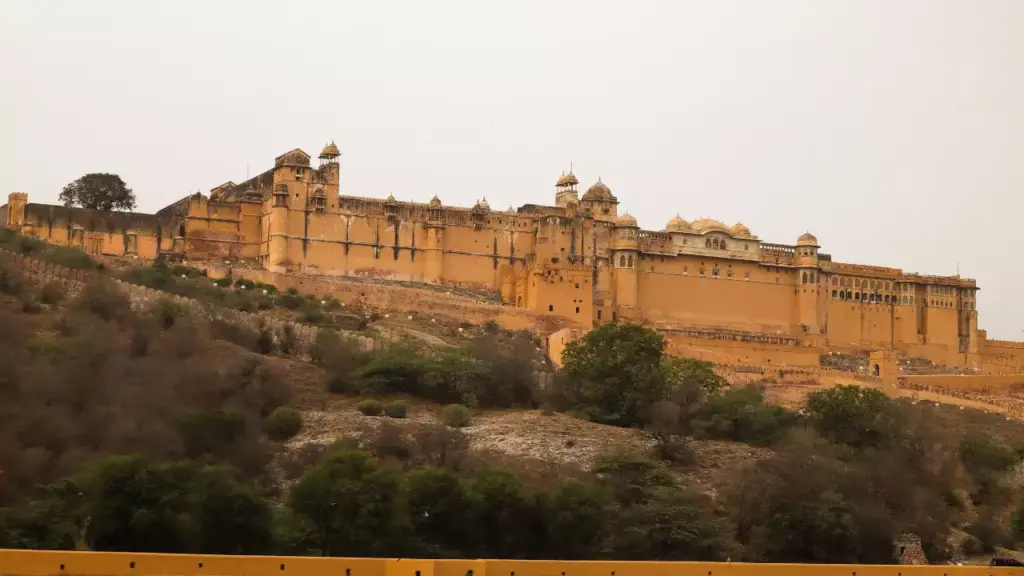
- Amer Fort
- Historical Context: Construction began in 1592 by Raja Man Singh I, resulting in a stunning fusion of Mughal and Rajput architectural styles perched above Maota Lake.
- Operational Intelligence: Because the fort is vast and prone to extreme overcrowding, an early-access 8:00 AM slot is mandatory. Guides must immediately steer clients through the Sheesh Mahal (Mirror Palace) upon entry to beat the tour-bus rush before moving to quieter courtyard zones.
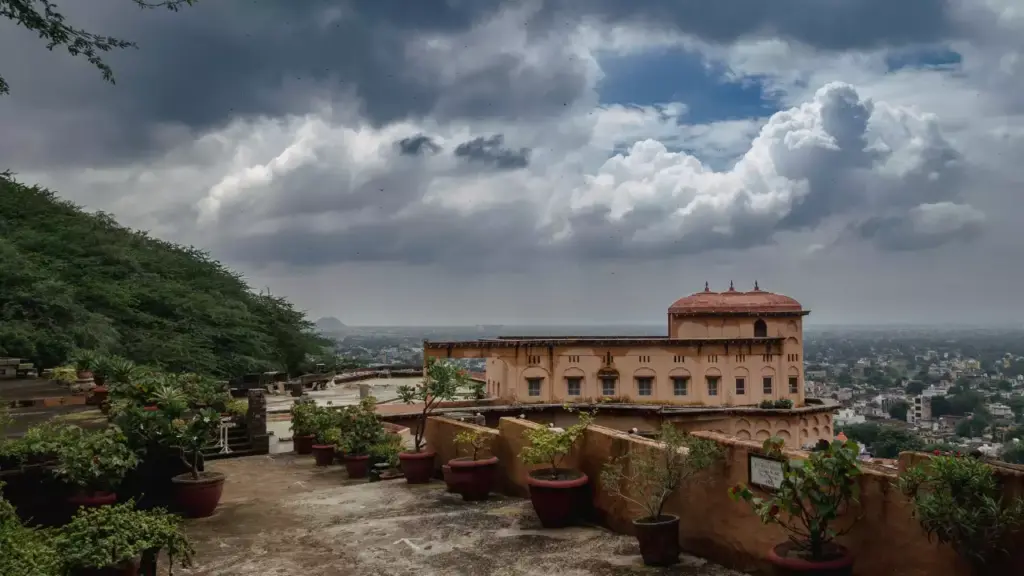
- Nahargarh Fort
- Historical Context: Built in 1734 by Sawai Jai Singh II as a defensive fortress for the city, later expanding into a royal summer retreat.
- Operational Intelligence: This serves as the premier sunset site of Jaipur and should be scheduled for the final afternoon of the trip. The terrace cafes provide an unparalleled vantage point for a “Farewell Briefing” as the city lights up below.
Section 2: The Walled City Palatial Core
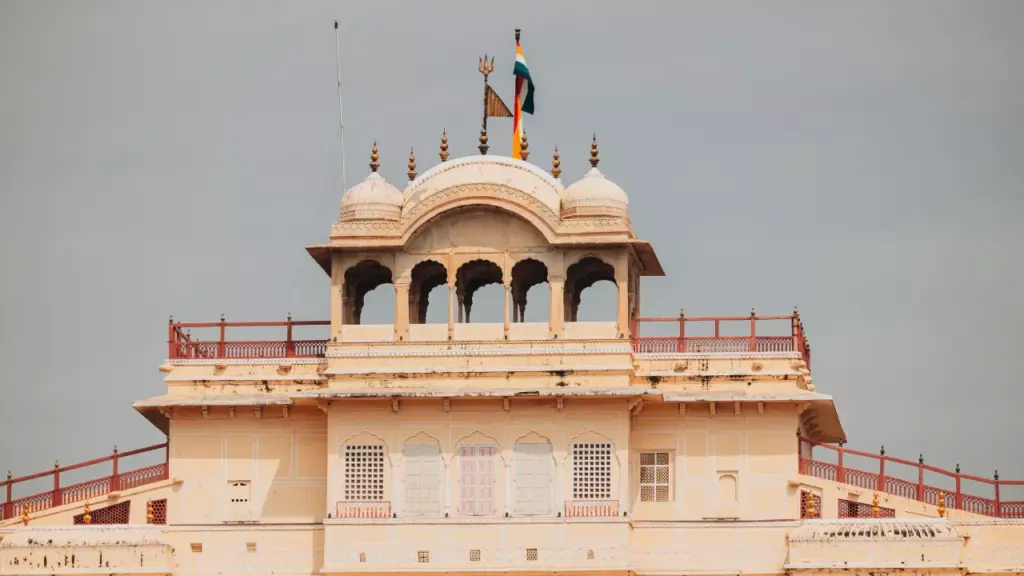
- The City Palace
- Historical Context: The seat of the Maharaja of Jaipur, which integrates Mughal, Rajput, and European architectural influences.
- Operational Intelligence: Focus on “Behind the Scenes” access. For premium clients, the agency must book the Private Rooms tour to provide access to royal living quarters and specialized costume galleries unseen by the general public.
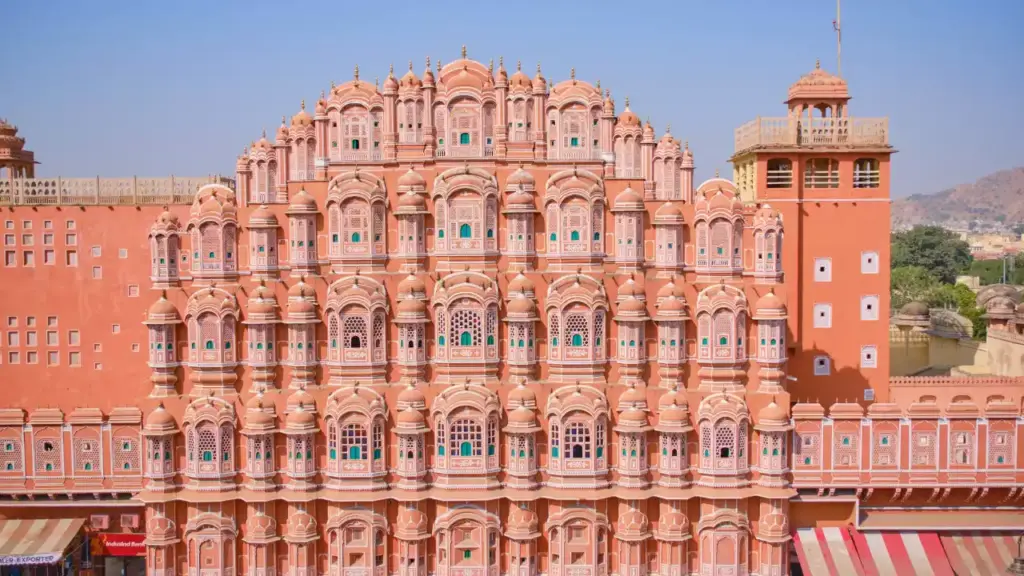
- Hawa Mahal (The Palace of Winds)
- Historical Context: Built in 1799 by Maharaja Sawai Pratap Singh and designed to resemble the crown of Lord Krishna.
- Operational Intelligence: Since it is effectively a facade-monument, guides should not waste operational time on an interior tour unless explicitly requested. The best value is found in the rooftop cafes directly across the street for unobstructed photo opportunities during a traditional Rajasthani high-tea.
Section 3: The Scientific Heritage
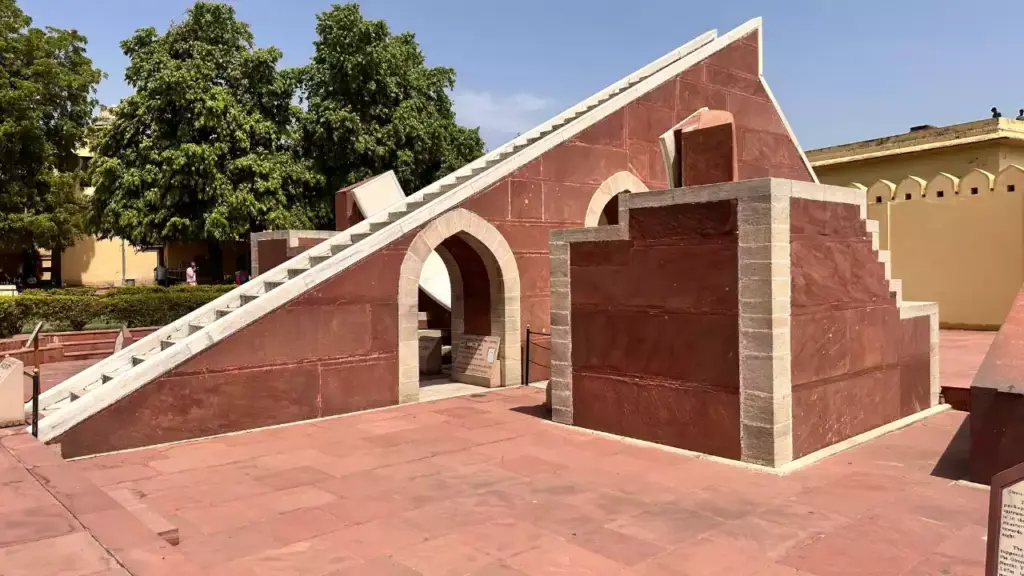
- Jantar Mantar
- Historical Context: An astronomical observatory built by Sawai Jai Singh II between 1724 and 1734, housing the world’s largest stone sundial.
- Operational Intelligence: This site requires a highly specialized “Scientific Heritage” guide to explain the astronomical tools in layman’s terms; otherwise, clients risk viewing it as just a field of giant stone shapes.
Section 4: Operational Execution Protocol
- Traffic Management: Transit to Amer and Nahargarh requires mountain-road travel. Agencies must always utilize professional drivers and avoid unreliable public shuttle or jeep systems for high-end itineraries.
- Energy Preservation: Because Jaipur’s forts involve excessive walking and climbing, operations must enforce a strict “Monument-to-Rest” ratio. Midday sanctuary periods in the hotel or an air-conditioned boutique are required to maintain client morale.
- The “Secret Viewpoint” Protocol: To provide exclusivity, scouts should identify private rooftop access points that allow clients to view the monuments from a distance, rather than solely entering through crowded main gates.