





Delhi historical monuments
Delhi is much more than a city of isolated tourist sites; it is a fascinating, physical palimpsest built upon the foundations of seven historic capitals. It’s easy for travelers to experience “monument fatigue” when faced with endless streams of stone architecture, but the secret to unlocking Delhi is to view these sites as a timeline of power, spanning the Sultanate, Mughal, and British eras.
Here is how to experience Delhi’s greatest monuments not just as structures, but as vibrant vessels of human history.
1. Foundations of Power: From Sultanate to Mughal
The earliest chapters of Delhi’s architectural history highlight the fascinating transition of empires.
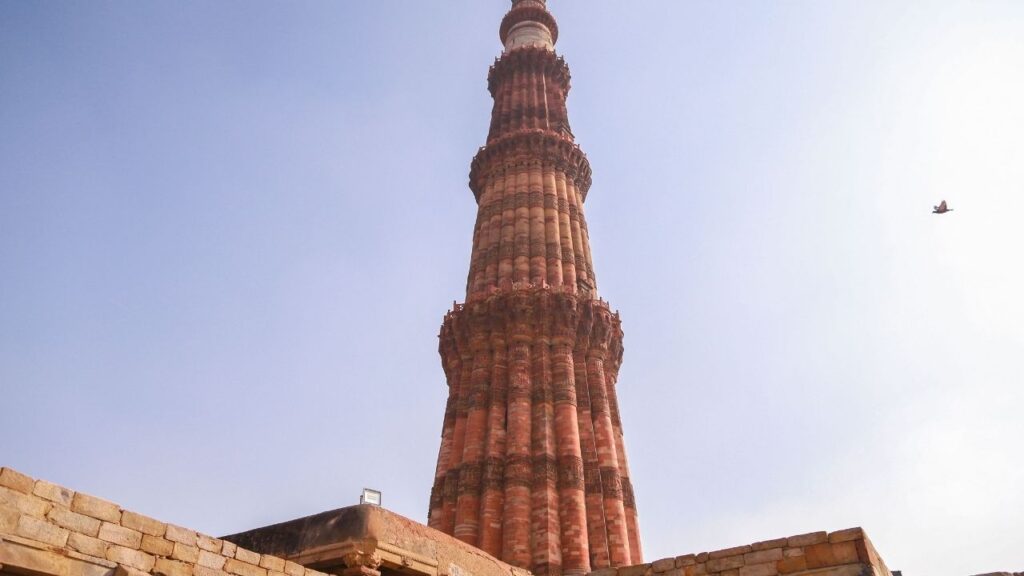
- Qutub Minar Complex (12th Century): This magnificent complex marks the beginning of Islamic rule in India. It stands as a striking chronicle of the transition from ancient temple architecture to grand Islamic archways.
- Pro Tip: Arrive early in the morning to beat the crowds, and make sure to marvel at the Iron Pillar—a metallurgical wonder that actually predates the mosque—before taking in the towering minar.
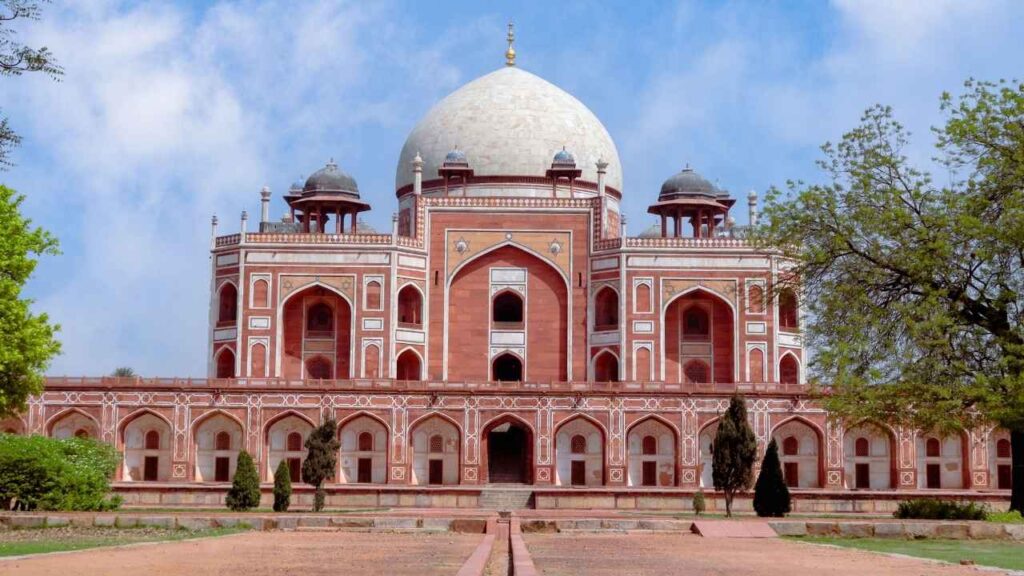
Humayun’s Tomb (1570): Known as the architectural precursor to the Taj Mahal, this site perfectly demonstrates the Mughal “Garden Paradise” (Charbagh) philosophy.
- Pro Tip: If you aren’t making the trip to Agra, this is a must-see. Notice how the space transitions beautifully from a solemn burial site into a vast, formal imperial garden-tomb.
2. The Imperial Flourish: Peak Mughal Power ( Delhi historical monuments)
As the Mughal Empire reached its zenith, its architecture grew both in scale and ambition.
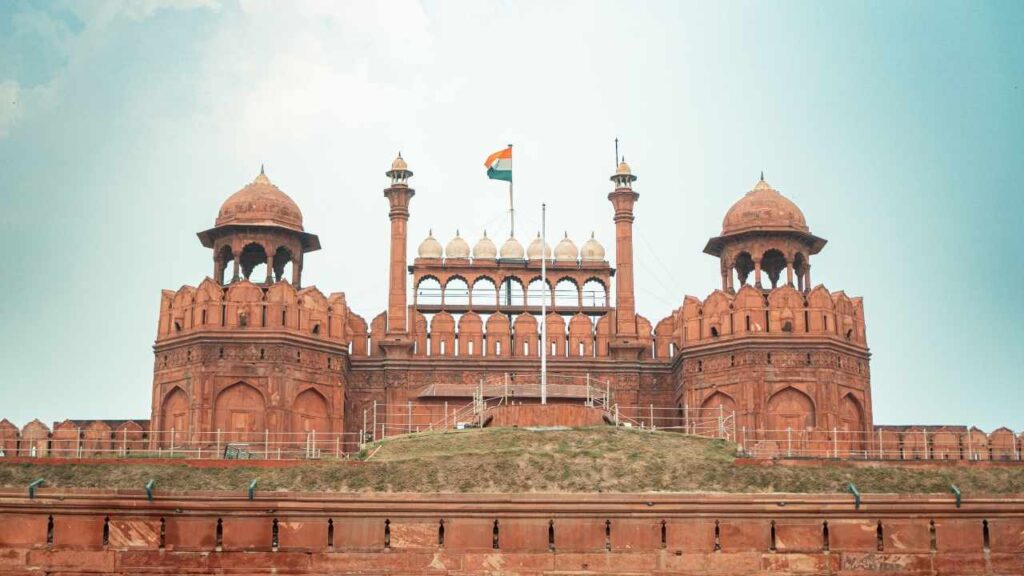
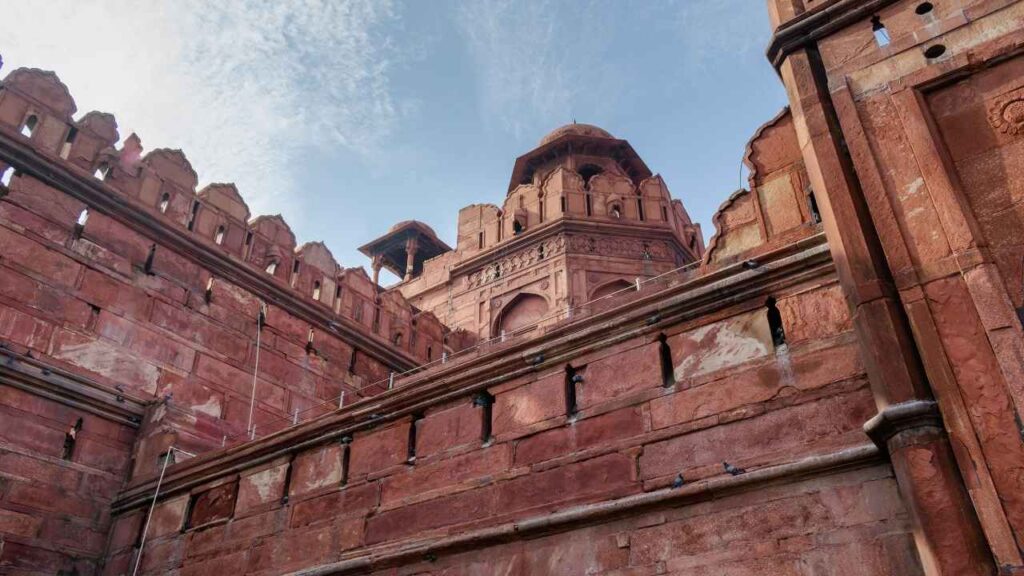
- Red Fort / Lal Qila (1639): Serving as the ultimate seat of peak Mughal power, the Red Fort’s footprint is massive.
- Pro Tip: To save your energy, curate an “Empire Walk.” Bypass the less significant peripheral structures and head straight for the Diwan-i-Khas and the Moti Masjid to get the most out of your visit without exhausting yourself.
Purana Qila / Old Fort (Ancient & 16th Century): This site connects the Delhi of the 16th century all the way back to the legendary city of Indraprastha from the Mahabharata era.
- Pro Tip: Plan your visit for the late afternoon. Exploring the ruins in the evening light before catching the atmospheric light-and-sound show makes for a perfect twilight conclusion to a busy day.
3. The Colonial Transition: The Raj Era ( Delhi historical Monuments)
The final major transition in Delhi’s historical landscape occurred in the 20th century, bringing a drastic shift in urban planning.
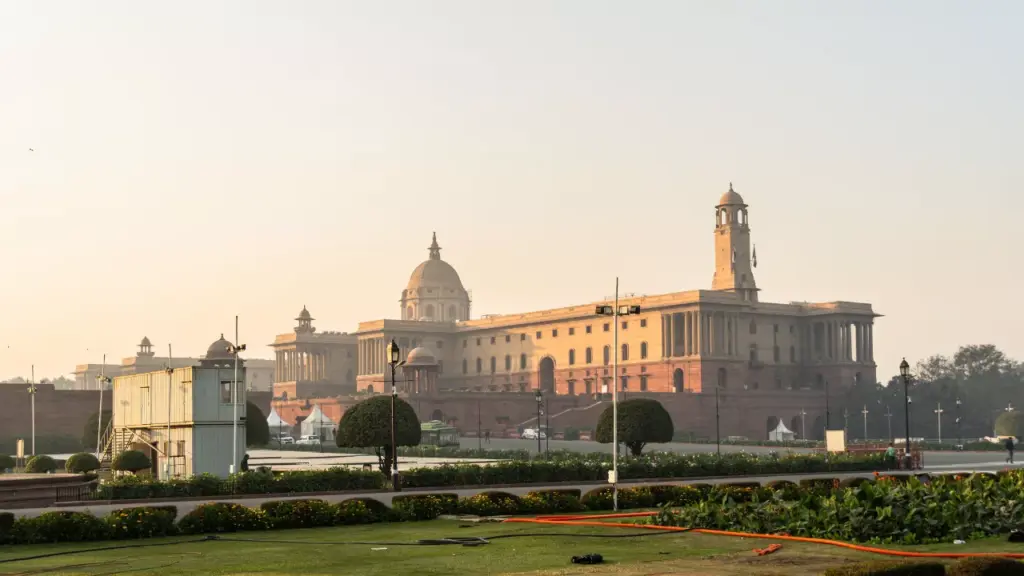
- Lutyens’ Delhi & The Rashtrapati Bhavan Axis (20th Century): This area represents the marriage of European neoclassicism with traditional Indian motifs.
- Pro Tip: The scale of this area was specifically designed for imperial optics. Instead of walking, take a driving tour to fully appreciate the spatial contrast between the claustrophobic, labyrinthine inner-city of the Mughals and the expansive, structured “open-city” built by the British Raj.
Essential Travel Strategies for Delhi
To get the most out of your historical deep-dive, keep these operational protocols in mind:
- Master the Context-First Approach: Learn the historical facts, timelines, and dry data before you step through the gates. Once inside the monument, put the guidebook away and shift into “narrative mode”—focusing entirely on the sensory and emotional elements of the architecture.
- Beat the Heat: If you are visiting during the summer months (April through September), strictly follow a heat-avoidance schedule. Visit monuments only before 11:00 AM or after 3:30 PM to stay comfortable and avoid heat exhaustion.
- Seek Early Access: If possible, aim for a quiet, early morning entry. Walking into a site like Humayun’s Tomb at 8:00 AM offers an entirely different, highly exclusive atmosphere compared to a busy 10:30 AM visit.