


Is Varanasi safe for tourists? The short answer is yes — Varanasi is one of India’s most visited cities and, with ordinary common sense, it is safe for solo travelers, families, elderly pilgrims, and international visitors alike. That said, like any major travel destination, it has its share of petty scams and a few areas that call for extra caution after dark. This guide gives you an honest, ground-level picture so you can plan your trip with full confidence.
How Safe Is Varanasi Compared to Other Indian Cities?
Varanasi is a relatively safe city by Indian standards. It does not appear in the list of Indian cities with the highest crime rates — that list is dominated by large metros like Delhi and Mumbai. The city’s economy depends almost entirely on pilgrimage and tourism, which means residents have a strong collective interest in keeping visitors safe and comfortable. The Uttar Pradesh Police maintains a visible presence at the ghats, railway station, and major tourist areas, and there is a dedicated Tourist Police helpline for visitors in distress.
Violent crime against tourists is rare. The risks most travelers face are non-violent: overcharging, scams, minor pickpocketing in crowds, and the disorienting chaos of the old city lanes. Knowing what to expect eliminates most of the stress.
Is Varanasi Safe for Solo Female Travelers?
Solo women travelers visit Varanasi regularly and the majority have positive experiences. The ghats at dawn and dusk draw large, diverse crowds where women move freely. That said, some precautions make a real difference:
- Dress modestly — covering shoulders and knees — particularly near temples and ghats. This reduces unwanted attention and is also a mark of respect for the sacred spaces.
- Avoid walking alone through the narrow lanes of the old city after 10 PM. Stick to the main ghat promenade or take a rickshaw.
- Stay in well-reviewed guesthouses in the Assi Ghat area or near BHU — these neighbourhoods are calmer, better lit, and more foreigner-friendly.
- If someone follows you or makes you uncomfortable, move toward a crowd or a well-lit chai stall and call the Tourist Police helpline: 1800-180-5522.
- Pre-book your transport for late-night arrivals — avoid negotiating with random auto-rickshaw drivers outside the railway station at night.
Staring is common in Varanasi, as it is across much of India. It is usually curiosity rather than threat. Keeping your body language confident and purposeful — walking with direction rather than looking lost — discourages most approaches.
Is Varanasi Safe for Families and Elderly Pilgrims?
Families and elderly pilgrims form the bulk of Varanasi’s visitors, and the city is well adapted to receive them. Guesthouses near the ghats offer wheelchair access on request. The main ghat promenade is walkable and well-patrolled. For families:
- Keep young children close in the crowded lanes of the old city — the streets are narrow, often one-way for vehicles, and easy to get separated in.
- The Cantonment (Cantt) area offers modern hotels and broader roads — ideal for families who want comfort without navigating the old city constantly.
- For elderly pilgrims, arrange a local pandit or guide in advance who can manage the logistics of ghat rituals, especially during Pitrupaksha or Karthik month when the ghats get severely crowded.
Is Varanasi Safe for International Tourists?
International tourists — including solo backpackers from Europe, North America, and Japan — visit Varanasi year-round without incident. The Assi Ghat neighbourhood in particular has a well-established traveler infrastructure with foreigner-friendly cafes, yoga studios, and guesthouses where English is widely spoken. The main risks for international visitors are the same as for domestic ones: scams, overpriced services, and the sensory overload of the old city. A few additions:
- Keep your passport, visa documents, and travel insurance details in a secure hotel safe — not in a day bag at the ghats.
- Photograph locals and cremation ghats with sensitivity — Manikarnika and Harishchandra ghats are active cremation sites. Discretion is not just polite, it is expected. Some families actively object to photography and any confrontation is best avoided.
- Register your trip with your country’s embassy or consular travel advisory portal before arriving.
Common Scams in Varanasi (and How to Avoid Them)
Varanasi has a well-earned reputation for persistent touts. Being scam-aware does not mean being paranoid — it means knowing the playbook so nothing catches you off guard.
The Boat Scam
Boatmen at the ghats routinely quote one price and demand double at the end of the trip, claiming the original quote was “per person” when you assumed it was for the whole boat. Always fix the price in writing on paper or show the number on your phone screen before boarding, and confirm whether it is for the whole boat or per head. The official fixed government rates are displayed at some ghats — check these boards before negotiating.
Fake Guides and “Free” Temple Offers
A friendly stranger who “just wants to practice English” or offers to show you a lesser-known temple for free will almost always end up guiding you to a shop where you will face heavy pressure to buy silk, handicrafts, or Rudraksha beads. This is one of Varanasi’s oldest and most persistent plays. If you want a guide, hire one through your hotel or a registered guide from the UP Tourism office.
Silk Shop Scams
Varanasi is famous for its Banarasi silk sarees — and also for selling synthetic fabric at pure silk prices. If you want to buy genuine Banarasi silk, research prices before you arrive (a real Banarasi saree starts at around ₹3,000–5,000 for simple weaves), buy from reputable shops with clear bills, and be skeptical of any shop a guide or auto driver takes you to (they earn commission).
Overcharging Auto-Rickshaws and E-Rickshaws
Fixed fares do not exist for most auto-rickshaw trips in Varanasi — prices are negotiated. International tourists and visibly unfamiliar Indian tourists are often quoted 3–4x the local rate. Always ask your hotel what the fair fare is for common routes (e.g., Cantt to Dasaswamedh Ghat, Assi Ghat to BHU) before stepping into a vehicle. Use Ola or Rapido where available for transparent metered pricing.
The “Ganga Puja” Donation Trap
Someone dressed as a priest may approach you at the ghat, perform a brief puja on your behalf without asking, and then demand a large sum. If you did not initiate a ritual, you are under no obligation to pay for one you did not agree to. A polite but firm refusal and walking away is your best response.
Area-by-Area Safety Guide
Varanasi is not a uniform city. Different neighbourhoods have very different safety profiles.
The Ghats (Dasaswamedh to Assi)
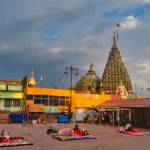
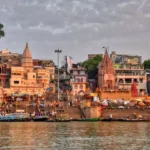
The 84 ghats of Varanasi along the Ganga are the city’s safest and most patrolled public space. Police and Tourist Police patrol on foot and by boat. The ghat promenade is well-lit during Ganga Aarti (morning and evening) and attracts diverse, family-friendly crowds. The main caution here is the boats (see scam section above) and the evening Aarti crowd, which can become dense enough for pickpockets to operate — keep your bag in front of you and your phone in a pocket.
The Old City Lanes (Vishwanath Gali and surroundings)
The narrow lanes around Kashi Vishwanath Temple are fascinating but chaotic. During peak pilgrimage times the crowd density is extreme. Watch for pickpockets in the densest temple queues, be careful of motorbikes that come through lanes without warning, and keep your bag closed and held in front of you. After 9 PM the lanes quiet down considerably — this is when they are actually calmer, but also darker. Walk in pairs if possible.
Godowlia and Vishwanath Gali Market
The Godowlia chowk area is busy and commercial — touts for boats, guesthouses, and shops are most concentrated here. Keep moving with purpose, avoid making eye contact with persistent touts, and do not stop to listen to opening pitches. Once you engage, disengaging politely takes much longer.
Assi Ghat Area
Assi Ghat is the calmest and most foreigner-friendly part of the ghat strip. The neighbourhood around it — stretching toward Lanka and BHU — is relatively wide-roaded, well-lit, and has a strong local residential presence. This is the recommended base for solo female travelers and first-time visitors to Varanasi.
BHU (Banaras Hindu University) Area
The BHU campus and its surrounding neighbourhood is one of the safest parts of Varanasi. It is clean, well-lit, and populated by students and faculty. The Vishwanath Temple inside BHU campus is also worth visiting — significantly less chaotic than the original Kashi Vishwanath.
Cantt (Cantonment) Area
The Cantt area, near Varanasi Junction railway station, is the most modern part of the city. Wide roads, proper signage, mid-range and upscale hotels, and a functional commercial district make it the default base for families and group tours. It is safe at all hours, though the area immediately outside Varanasi Junction at night does draw touts — use hotel pick-ups or pre-booked cabs when arriving late.
Night Safety in Varanasi
Varanasi genuinely comes alive at night — the Ganga Aarti at Dasaswamedh Ghat after sunset is one of the most atmospheric experiences in India, and the ghats remain active until 11 PM or later. Here is what you should know:
- Safe after dark: The main ghat promenade (Dasaswamedh to Assi), Assi Ghat area, Cantt commercial strip, BHU neighbourhood.
- Exercise extra caution after 10 PM: The deep lanes of the old city — especially areas off Vishwanath Gali and north of Manikarnika Ghat. These become poorly lit and quiet.
- Avoid after midnight: The far northern ghats (Raj Ghat area), isolated stretches of the riverbank, and any unfamiliar lane you cannot clearly map on foot.
- Night boat rides on the Ganga are popular and generally safe — use boats arranged through your hotel rather than approaching random boatmen on the ghat at midnight.
Food and Water Safety in Varanasi
Varanasi’s street food scene is genuinely excellent and most visitors eat without any problems. A few practical rules:
- Water: Do not drink tap water under any circumstances. Carry a filtered water bottle (LifeStraw or Sawyer Squeeze work well) or buy sealed packaged water. Check the seal — refilled bottles are sometimes passed off as sealed.
- Street food: Prioritize stalls with high turnover — where food is being prepared and sold continuously, it is fresh. Avoid anything that has been sitting out for hours.
- Kachori-sabji and chaat: The deep-fried snacks (kachori, jalebi, aloo tikki) are generally safer than uncooked salads or fruit that have been washed in tap water.
- Restaurant hygiene: Stick to established restaurants with clean serving areas. The ones around Assi Ghat catering to foreign tourists tend to have higher food hygiene standards.
- Carry oral rehydration salts (ORS) and a basic traveler’s medicine kit as a precaution.
Health Precautions for Varanasi Visitors
Beyond food and water, there are a few health factors specific to Varanasi worth planning for:
Heat Stroke (May–June)
Varanasi in summer is punishing — temperatures regularly cross 45°C in May and June. If you are visiting then, limit outdoor activity to early morning (before 9 AM) and after sunset, carry water at all times, and wear loose, light-coloured cotton clothing. Heat exhaustion can escalate quickly — if you feel dizzy, stop immediately, find shade, and hydrate.
Monsoon Health Risks (July–September)
Monsoon brings mosquitoes — use repellent (DEET-based is most effective), sleep under a net if your accommodation does not have window screens, and take appropriate prophylaxis if you are coming from a malaria-risk region. The Ganga floods during heavy monsoon, and the lower ghats can be submerged or unsafe to access.
Medical Facilities
Varanasi has adequate medical facilities for most situations:
- Sir Sunder Lal Hospital (BHU) — a major government teaching hospital with specialist departments. Good for serious cases.
- Heritage Hospital — one of the better private hospitals in the city, preferred by many travelers.
- Pharmacies: Well-stocked pharmacies are available throughout the city, especially in the Cantt and Lanka areas. Many medications available over the counter in India require prescriptions elsewhere — useful for travelers who have forgotten their supplies.
Transportation Safety in Varanasi
Getting around Varanasi safely requires knowing your options and their trade-offs. For full transport details, see our Varanasi how to reach guide.
Auto-Rickshaws
The most common way to get around. Negotiate the fare before getting in — always. Agree on the total fare, not per person. The driver suggesting an “interesting shop” or temple along the way is almost always a detour for commission — decline politely and state your destination clearly.
E-Rickshaws and Cycle-Rickshaws
E-rickshaws are now the dominant short-distance transport within the old city where autos cannot access the narrow lanes. They run semi-fixed routes and are generally safe, though shared rides mean slower journeys. Cycle-rickshaws are slower but fine for short ghat-to-ghat trips. Both are relatively low-risk for scams compared to autos.
Boats
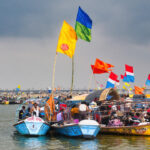
Boat rides on the Ganga are safe when you choose a boat that is not visibly overloaded and in reasonable condition. Avoid getting on a boat if you cannot see the bottom clearly and it appears waterlogged. Life jackets are not standard — if you are not a swimmer or if you are bringing young children, ask specifically for a boat operator who has them.
App-Based Cabs (Ola, Rapido)
Ola operates in Varanasi and is available for trips to and from the airport, railway station, and major hotels. For safety-conscious travelers — especially women traveling alone at night — app-based cabs with tracked rides and driver details are the most reliable option.
Women-Specific Safety Tips for Varanasi
Beyond the general advice already covered, women travelers — both domestic and international — often find these specific measures helpful in Varanasi:
- Download the Himmat Plus app (Delhi Police safety app, also useful as an SOS tool) or the Nirbhaya app before traveling.
- Share your daily itinerary with someone at home or a trusted contact, especially for solo ghat walks.
- Avoid accepting drinks or food from strangers you have just met, even in a social context.
- The women-only compartments on trains are strictly enforced — use them for overnight train journeys to and from Varanasi.
- Trust your instincts. If a situation feels off, leave without justifying yourself.
- Many women report that assertive, confident body language — direct eye contact, brisk walking pace, no hesitation — reduces unwanted attention substantially.
Best Areas to Stay for Safety
Where you stay in Varanasi significantly affects your experience of the city’s safety:
- Assi Ghat area: Best for solo travelers, backpackers, and couples. Calm neighbourhood, good food options, strong traveler community, easy access to the ghats without being in the most chaotic part of the old city.
- BHU / Lanka area: Good for academics, long-stay visitors, and anyone who wants a quieter, residential feel. Slightly further from the main ghats but very safe.
- Cantt area: Best for families, elderly pilgrims, and anyone wanting modern hotel infrastructure. Closest to the railway station, easy airport access, wide roads.
- Dashashwamedh / Godowlia area: Right in the heart of the action — maximum immersion in the ghat experience, but maximum crowd density, tout activity, and noise as well. Best for experienced India travelers who know how to navigate it.
When NOT to Visit Varanasi
Varanasi is a year-round destination but two periods create genuinely difficult conditions:
- May–June (Peak Summer): Temperatures of 42–46°C with high humidity make outdoor exploration punishing. The city does not shut down — pilgrims come throughout the year — but the experience is uncomfortable and carries real heat-stroke risk. Read more in our Varanasi best time to visit guide.
- Heavy Monsoon Flooding (Late July–August): In years with heavy Ganga flooding, the lower ghats become inaccessible, some ghat-side guesthouses flood, and the old city lanes can become waterlogged. Check the Ganga water level forecast before planning a July or August trip.
The best windows are October–November (post-monsoon, mild temperatures, Diwali and Dev Deepawali festivals) and February–March (cool, dry, uncrowded). For a full analysis of all seasons, see our complete guide to when to visit Varanasi.
Emergency Contacts for Varanasi Tourists
Save these before you travel:
- UP Tourism Tourist Helpline: 1800-180-5522 (toll-free, 24×7)
- Police: 100
- Ambulance: 108
- Women’s Helpline: 1090 (UP Police women’s helpline)
- Heritage Hospital Varanasi: +91-542-2512812
- Sir Sunder Lal Hospital (BHU): +91-542-2368468
- Varanasi Tourist Police Post (Dasaswamedh Ghat): Located at the main ghat entrance — approach any officer in the distinct tourist police vest
The Real Varanasi: What Most Safety Guides Miss
Most safety discussions about Varanasi focus on what to fear. The more useful framing is this: Varanasi rewards travelers who come prepared and approach it with genuine curiosity rather than anxiety. The city’s residents are overwhelmingly hospitable — ask for directions and you will often get someone walking you to your destination. The ghats at dawn, when the city breathes quietly before the day begins, are among the most peaceful public spaces in India.
The scams exist, the crowds are real, and the sensory intensity is undeniable. But they are surface-level friction, not genuine danger. Varanasi is absolutely worth visiting — and it is safe to do so. Understanding what Varanasi is famous for helps you appreciate why millions return year after year despite the chaos.
For more on getting oriented, start with our complete Varanasi city guide.
Frequently Asked Questions About Varanasi Safety
Is Varanasi safe for solo female travelers?
Yes, with the standard precautions that apply across India. The Assi Ghat area is the recommended base for solo women. Dress modestly near temples and ghats, avoid the deep old city lanes after 10 PM, and use app-based cabs for late-night transport. The UP Police Women’s Helpline (1090) is available 24×7.
Is it safe to walk around the ghats at night?
The main ghat promenade from Dasaswamedh to Assi is safe for evening walks, particularly around the Ganga Aarti time (around 7–8 PM) when large crowds are present. After 10 PM, stay on the main lit promenade and avoid the dark lanes leading away from the river.
What are the most common scams in Varanasi?
The most frequent are: (1) boat price doubling at journey’s end, (2) friendly strangers guiding you to commission shops, (3) overcharging auto-rickshaws, (4) selling synthetic fabric as genuine Banarasi silk, and (5) uninvited puja performances followed by donation demands. All are avoidable with awareness.
Is the water in Varanasi safe to drink?
No. Never drink tap water in Varanasi. Use sealed bottled water or carry a filtered water bottle. This applies to ice in drinks as well — at street stalls, request drinks without ice.
Which is the safest area to stay in Varanasi?
Assi Ghat is the safest and most traveler-friendly neighbourhood for first-time visitors and solo travelers. The Cantt area offers the most modern hotel infrastructure and is ideal for families. The BHU area is calm and residential. Staying right in the Godowlia/Dashashwamedh area gives maximum ghat access but maximum crowd and tout density as well.
Travel Varanasi With Confidence — We’ve Got Your Back
Varanasi is safe — but it is a city that rewards those who know it. Our packages include a dedicated coordinator who stays in touch throughout your trip, vetted hotels in safe neighbourhoods (Assi Ghat or Cantt area), and guided temple darshans that keep you away from the pushy touts near Godowlia. No boat scams, no commission shops, no confusion. Just the real Varanasi.
Starting from ₹10,300 per person | Includes darshan, meals, and local transport